Victoria Bazir
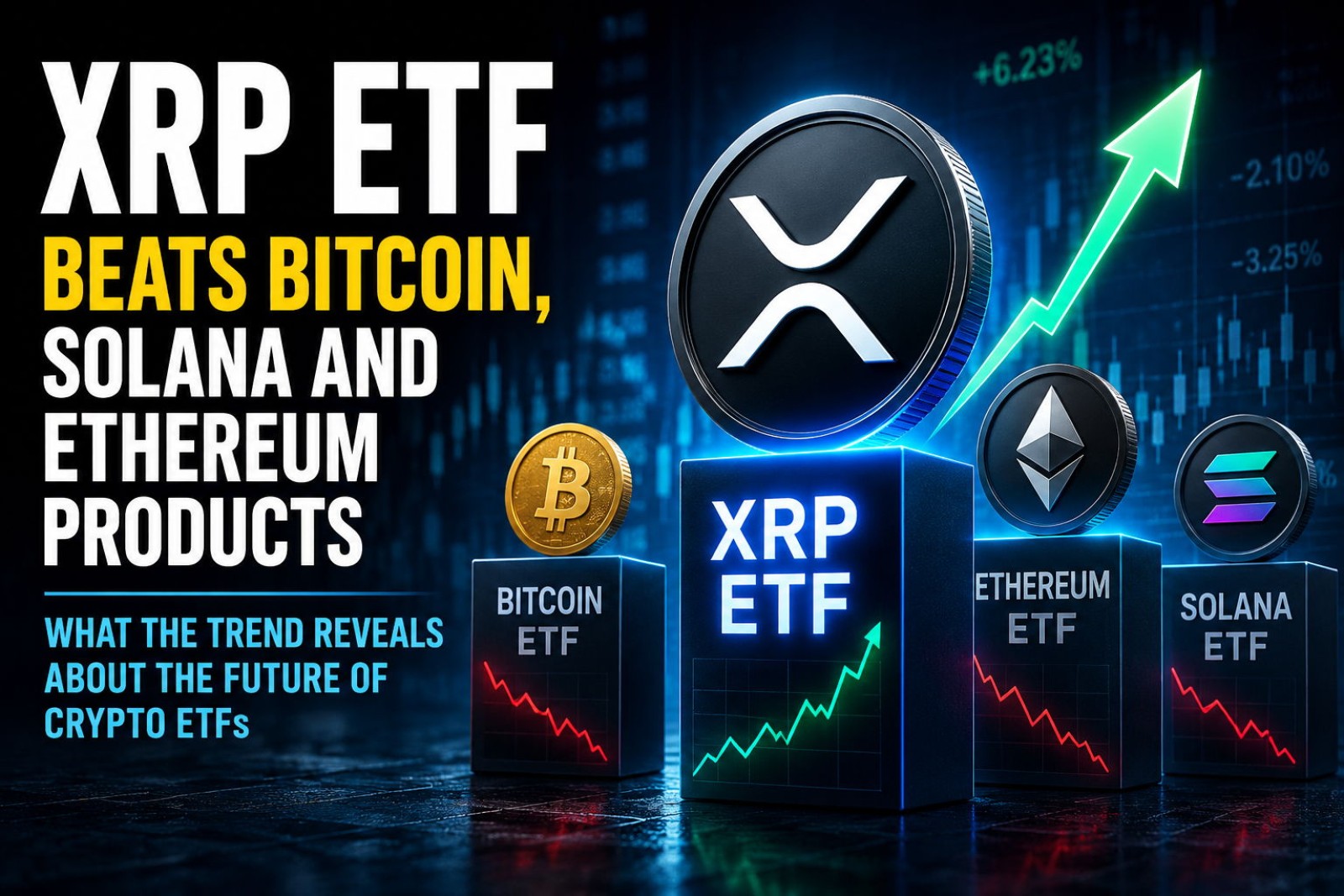
XRP ETFs have continued attracting fresh inflows even as some Bitcoin funds recorded withdrawals. The numbers do not challenge Bitcoin's leadership, but they highlight a shift in how the ETF market is developing.
The Numbers Tell an Unusual Story
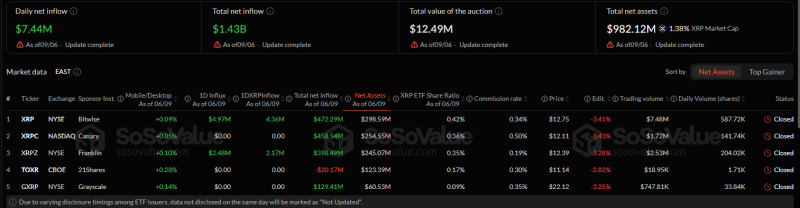
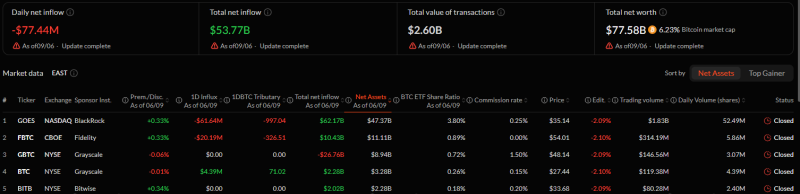
XRP investment products have accumulated approximately $1.43 billion in total net inflows and nearly $982 million in net assets. Bitcoin ETFs remain substantially larger, with $53.77 billion in cumulative inflows and $77.58 billion in assets under management.
However, recent daily flows moved in opposite directions. XRP ETFs added $7.44 million, while Bitcoin ETFs saw $77.44 million leave the category. The contrast is notable because ETF flows often reveal changes in market positioning before they become visible in broader trends.
Why ETF Flows Matter More Than Daily Headlines
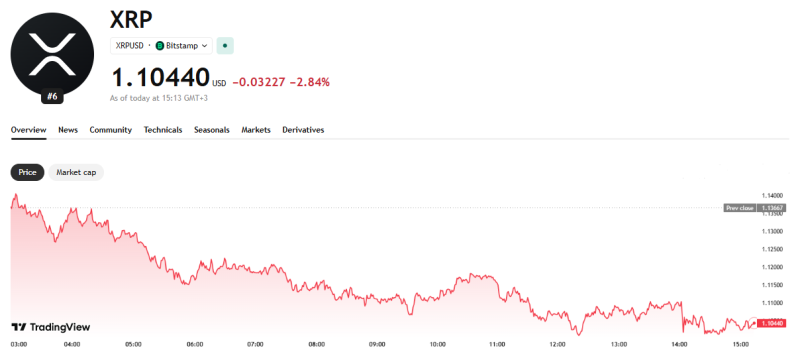
Price charts reflect short-term sentiment. ETF flows show where capital is moving. That distinction is visible in XRP. While XRP ETFs continued attracting money, the token traded around $1.10 and fell roughly 2.8% during the session shown in the chart.
Instead of following price action, ETF buyers continued adding exposure. This suggests that part of the market is focused on the asset's longer-term role rather than its daily performance.
The Emergence of a Third ETF Category
Crypto ETFs were largely divided between Bitcoin products and Ethereum products. XRP's recent growth points to a broader trend: investors are beginning to explore established digital assets that represent different segments of the crypto ecosystem.
This is a common stage in the development of any ETF market. Once flagship products become established, attention gradually shifts toward more specialized themes and strategies. The growth of XRP ETFs may be an early example of that process.

A Market Looking Beyond Bitcoin
Bitcoin remains the foundation of the crypto ETF industry, but its success has also created room for alternatives. Rather than increasing Bitcoin exposure indefinitely, some market participants appear to be spreading allocations across multiple digital assets.
The structure of XRP inflows supports that view. Capital has been distributed across products from Bitwise, Canary, Franklin and Grayscale rather than concentrated in a single issuer. That points to category-wide demand rather than a one-off event.
What This Means for the ETF Industry
The significance of the trend extends beyond XRP itself. The first generation of crypto ETFs focused on bringing digital assets into regulated investment products. The next stage is likely to focus on differentiation.
As more crypto-based ETFs enter the market, capital may increasingly move between specific narratives, technologies and use cases rather than treating the sector as a single asset class. Recent XRP inflows fit that pattern.
Looking Ahead
Bitcoin remains the largest and most influential crypto ETF category by a wide margin. At the same time, recent flow data shows that investor activity is becoming less concentrated. XRP products have attracted capital while some Bitcoin funds have experienced outflows, creating one of the clearest examples of divergence in the current ETF market.
Whether this develops into a lasting trend remains uncertain. What is clear is that the crypto ETF market is becoming more segmented, with investors paying closer attention to individual assets rather than moving capital uniformly across the sector.
 Victoria Bazir