Sergey Diakov
- Young Thug's Roots: Growing Up With Nothing in Atlanta
- Early Career: First Mixtapes and First Real Money
- Rise to the Top: Hits, a Grammy, and $500K Per Show
- Legal Troubles That Cost Him Millions
- Young Thug Net Worth in 2025: Where Things Actually Stand
- What Young Thug's Story Actually Teaches About Success
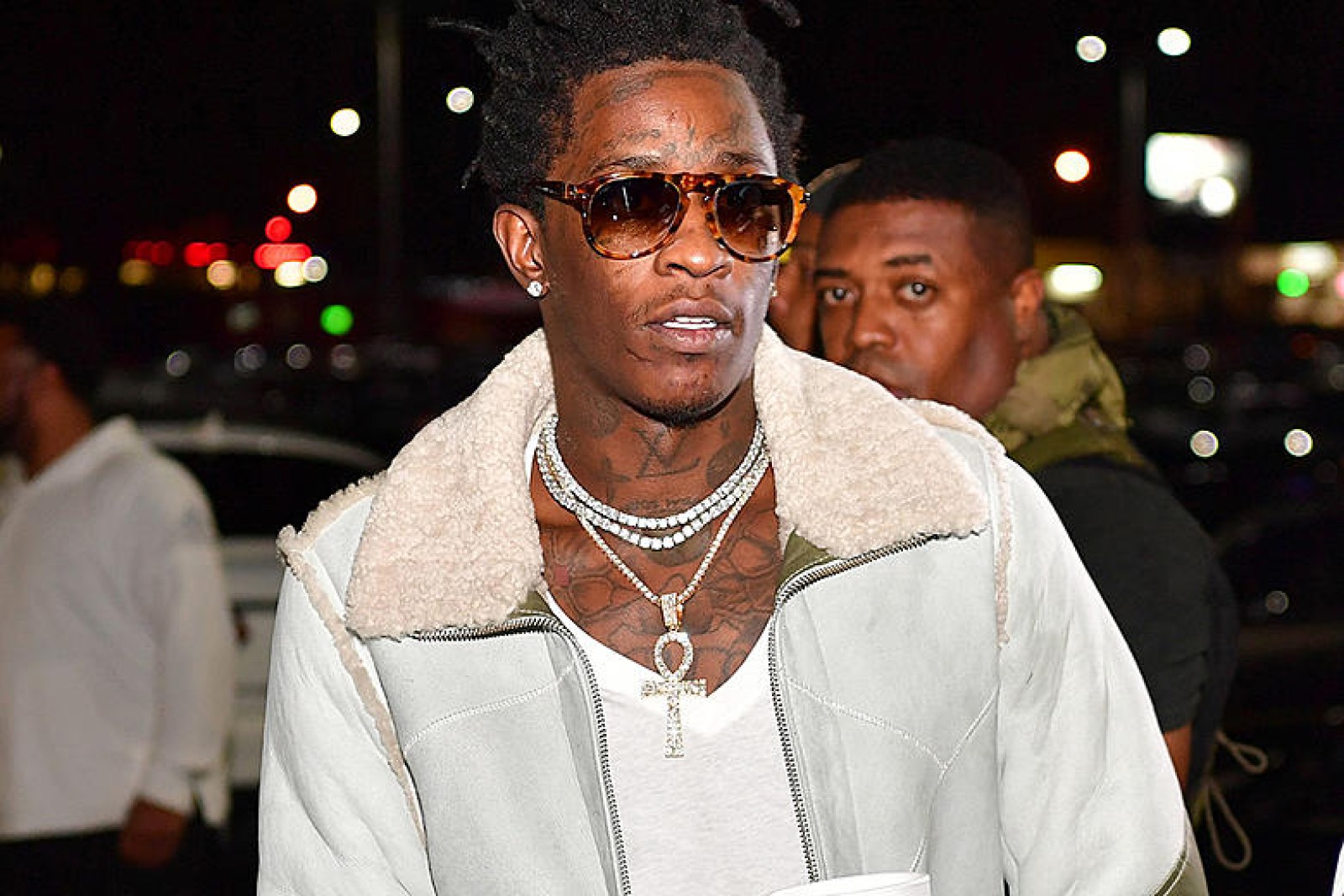
Not many people make it out of the Jonesboro South projects. Fewer still turn a sixth-grade expulsion and a juvenile detention stint into a Grammy, a number-one album, and a record label that shaped the next generation of hip-hop. Jeffery Lamar Williams — better known as Young Thug — did exactly that. His path wasn't clean or linear, and it certainly wasn't without serious damage along the way. But the arc of his career, from recording mixtapes with no budget to charging $500,000 a show, is one of the more remarkable stories modern rap has produced.
Young Thug's Roots: Growing Up With Nothing in Atlanta
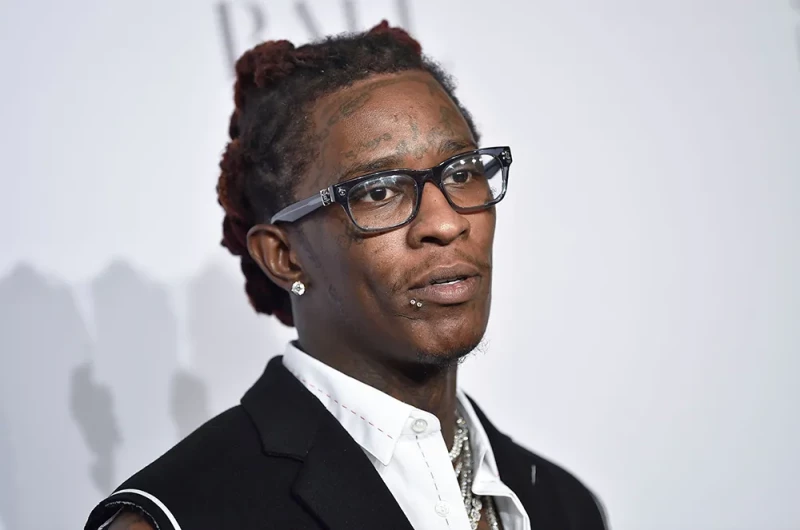
Jeffery Lamar Williams was born on August 16, 1991, in Atlanta, Georgia. He grew up in the Sylvan Hills neighborhood — one of the roughest parts of the city, known locally as Zone 3. He was one of 11 siblings, and money was never something the family had enough of. School didn't work out either. He got expelled in sixth grade after a fight with a teacher and spent time in juvenile detention not long after.
For a kid in that situation, the options weren't exactly inspiring. But music gave him something to hold onto. He didn't have industry connections or a formal plan — just a voice that didn't sound like anyone else's and a hunger to get out.
Early Career: First Mixtapes and First Real Money
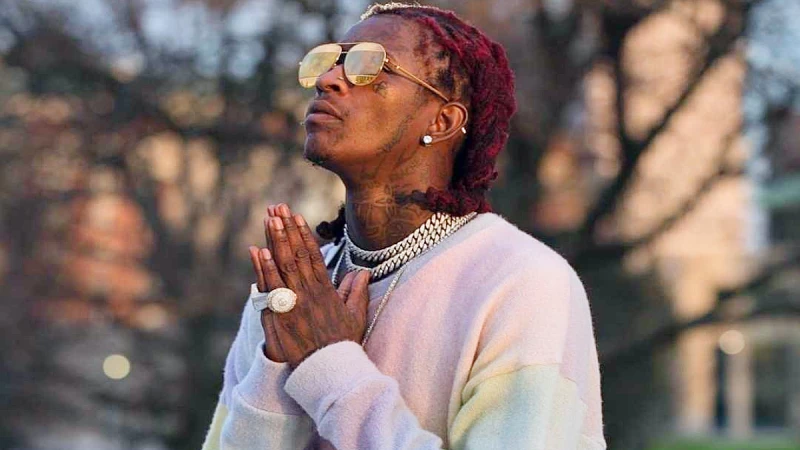
His first public appearance came in 2010 as a guest on TruRoyal's track "She Can Go." It wasn't a big moment commercially, but it was a start. In 2011, he launched his "I Came From Nothing" mixtape series — a title that reflected his reality more honestly than most rappers could claim.
Those early projects weren't making him rich. At smaller venues, he was pulling in around $25,000 per show — decent money, but nothing close to what was coming. What the mixtapes did was build buzz. His sound was genuinely different: melodic where most Atlanta rap was hard, experimental when everyone else was playing it safe. People noticed.
By 2013, Gucci Mane had signed him to 1017 Brick Squad Records, and the mixtape "1017 Thug" started getting serious critical attention. Pitchfork listed it among the best projects of the year. That was the moment things shifted from local buzz to something much bigger.
Rise to the Top: Hits, a Grammy, and $500K Per Show
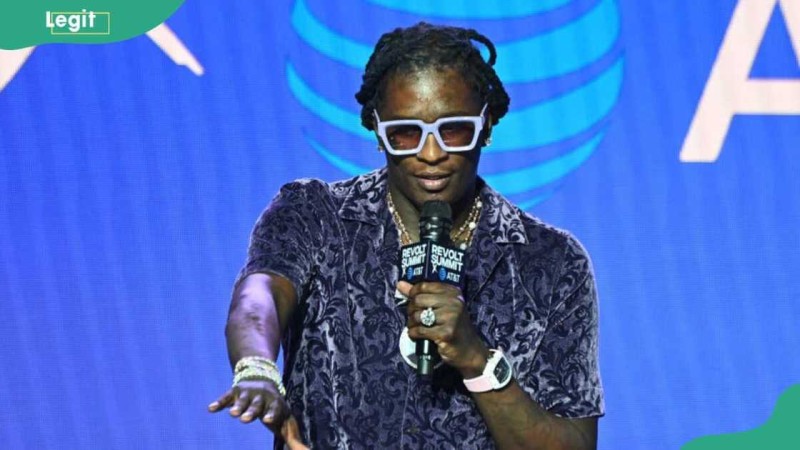
2014 was when the mainstream started paying attention. "Stoner" and "Danny Glover" became genuine rap moments, and features on tracks with T.I. and Tyga expanded his reach beyond Atlanta. He signed with 300 Entertainment that same year and began building the infrastructure for what would become YSL Records.
The label was a smart move. By signing artists like Gunna and Lil Baby and helping develop their careers, he positioned himself not just as a performer but as someone with a stake in the broader ecosystem. The money flowing through YSL wasn't just his music — it was his business.
The commercial peak came in 2019. His debut studio album "So Much Fun" hit number one on the Billboard 200, driven by hits like "Hot" with Gunna and "The London." His feature on Camila Cabello's "Havana" had already become his first Billboard Hot 100 number one. In 2018, he picked up a Grammy for his contribution to Childish Gambino's "This Is America." By this point, he was charging around $500,000 per show. In 2016 alone, concert income hit $1.5 million. Brand deals with Puma, Calvin Klein, and Avianne Jewelers added roughly another $2 million on top of streaming royalties and label income.
Legal Troubles That Cost Him Millions
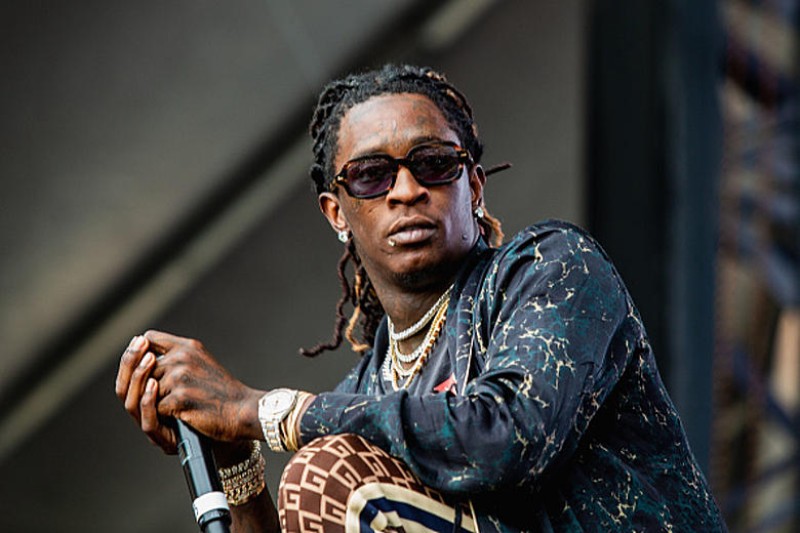
In May 2022, everything stopped. Young Thug was arrested and charged under the RICO Act — the federal law typically used against organized crime. Prosecutors alleged that YSL was not just a record label but a criminal organization involved in murders, drug trafficking, and assaults. He spent over two years in custody while one of the longest criminal trials in Georgia history played out.
The financial damage was severe. Shows were canceled, brand deals dried up, and new music was essentially on hold. Given that each missed show represented $500,000 in lost income, even a handful of cancellations meant millions gone. Legal defense at that level doesn't come cheap either. In October 2024, he accepted a plea deal and was released on 15 years of probation, with conditions restricting his travel and public activity.
Young Thug Net Worth in 2025: Where Things Actually Stand
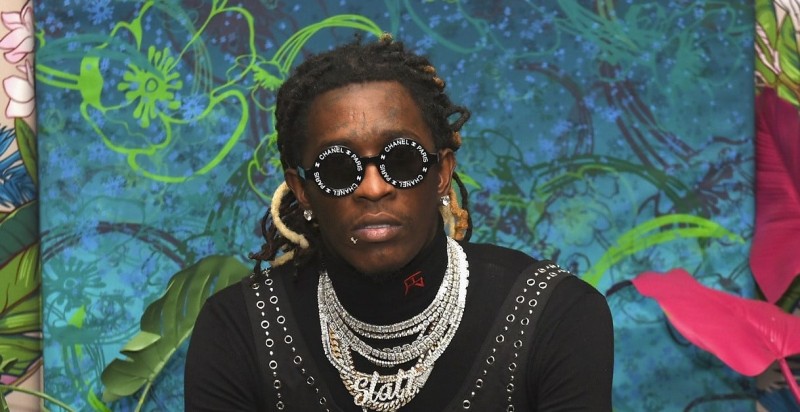
Estimates vary depending on the source. Celebrity Net Worth puts his current net worth at around $4 million, while other outlets cite figures between $8 million and $10 million. The gap reflects genuine uncertainty — legal costs, lost income, and asset sales during the 2022-2024 period make exact figures hard to pin down.
What's clearer is his ongoing income. Annual earnings are estimated at $500,000 to $1 million, with monthly figures around $40,000 to $80,000, driven mostly by streaming royalties, YSL Records revenue, and merchandise. His YouTube channel alone has accumulated over 5.2 billion views. A new album, "UY Scutti," was announced in 2025, and if it performs anything like "So Much Fun," it could meaningfully shift the numbers upward.
What Young Thug's Story Actually Teaches About Success
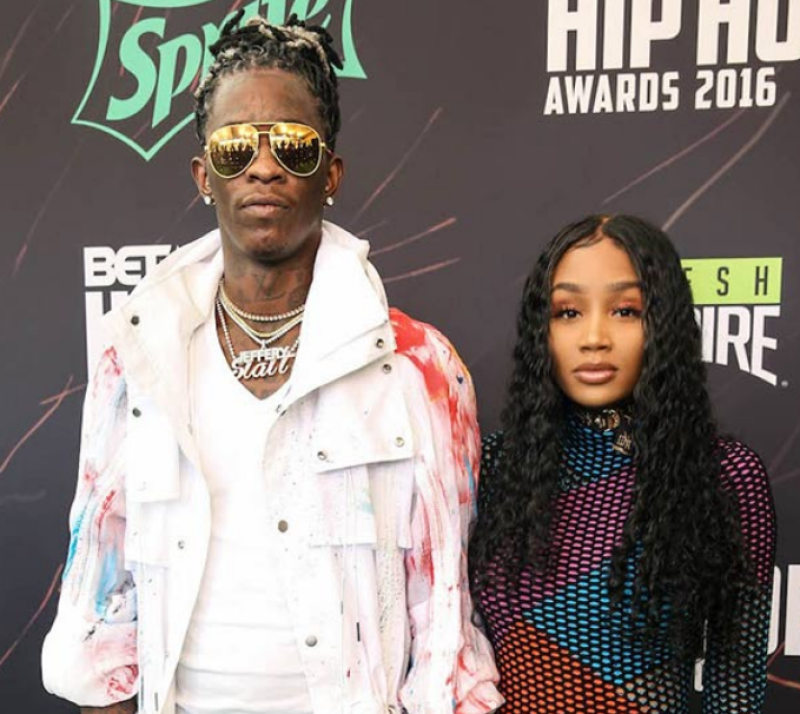
Strip away the celebrity narrative and a few consistent patterns emerge from how he built his career.
- He never chased what was already working. His sound was always a risk — melodic and eccentric at a time when the Atlanta rap template was something else entirely. That willingness to be different is what made him impossible to ignore.
- He built ownership early. YSL Records wasn't just a vanity label. It turned him into a businessman with long-term income streams that didn't depend on his own output.
- He told real stories. His music was rooted in the world he actually grew up in, not a performance of someone else's lifestyle. That authenticity connected with audiences who could feel the difference.
- He kept moving through setbacks. Legal troubles, pandemic cancellations, public scrutiny — none of it stopped him from announcing new projects and staying present for his fanbase.
- He thought bigger than himself. Beyond music, he has spoken openly about wanting to build his own city in metro Atlanta and has directed philanthropic efforts toward poverty and education in the communities he came from.
Young Thug net worth may fluctuate as his career enters its next chapter, but the foundation — catalog royalties, a label, a loyal audience, and a genuinely original artistic identity — isn't going anywhere.
 Sergey Diakov