
 Marina Lyubimova
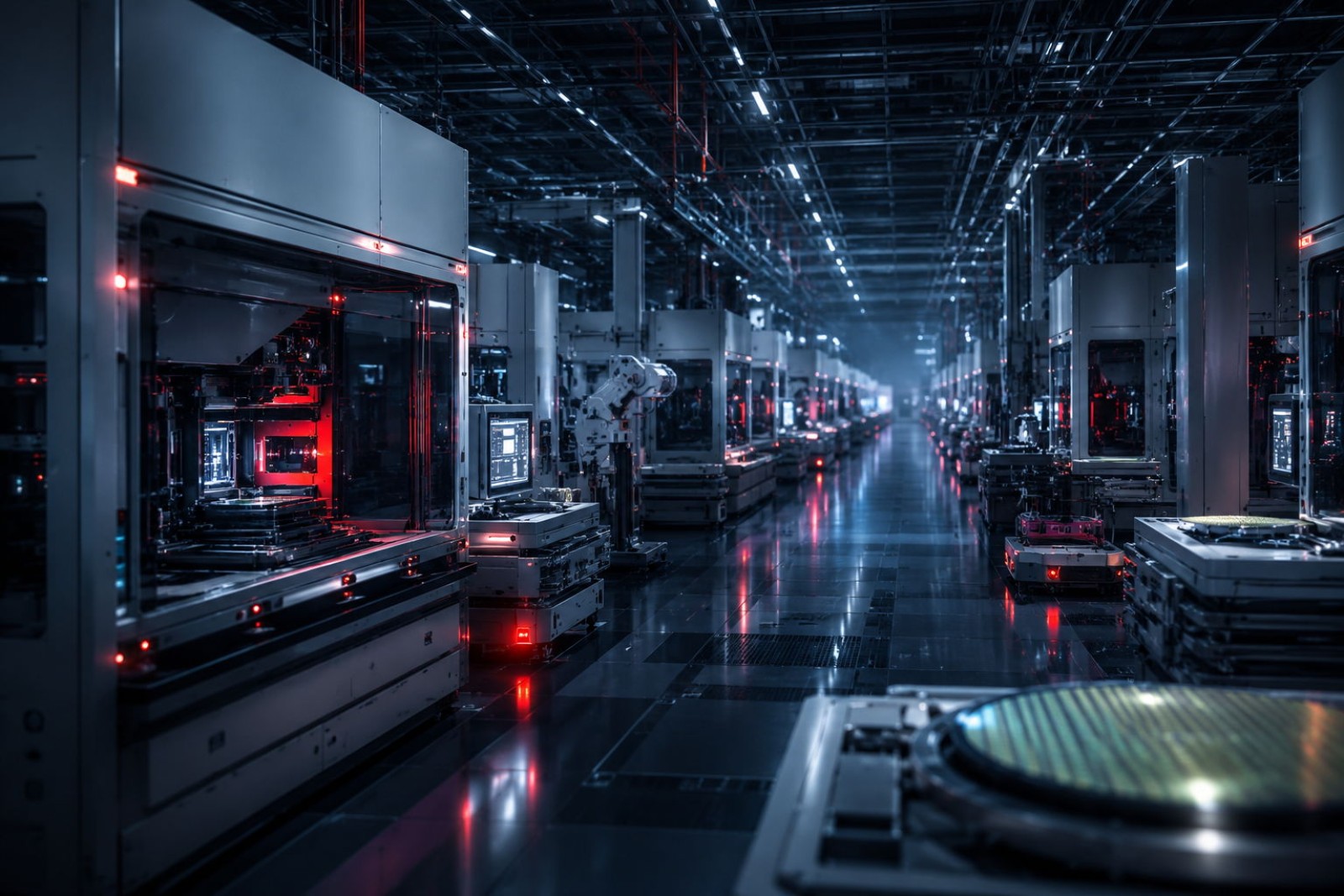
As advanced chip manufacturing occurs, the economic results are dependent on the continuous operation of lithography systems, etching chambers, cleaning tools and wafer transport lines. A leading edge facility is an industrial system where parts are synchronized. If a short disruption happens, the effects continue through production for multiple weeks.
Due to those factors, the way Samsung responds to the upcoming semiconductor union strike is significant. For the eighteen day walkout that starts on May 21, reports indicate the company is slowing the start of new wafers. It is also idling equipment before the labor disruptions begin. When negotiations over bonuses failed, over 43 000 workers, who represent more than half of the semiconductor division, prepared to participate.
In this situation, the labor dispute is less notable than the operational facts. It is evident that Samsung is concerned with operational instability rather than temporary losses in production. For semiconductor manufacturing, the two concepts are different. And chips move through hundreds of process stages that are synchronized. If staffing shortages happen, they interrupt calibration cycles, contamination control, maintenance schedules and wafer handling. Yield problems then spread through the system before they are visible in financial results.
By participating in the competition for artificial intelligence infrastructure, the company faces a serious risk. Samsung is currently competing with other companies in the areas of high bandwidth memory and advanced manufacturing - those sectors are essential to the supply chains for artificial intelligence. In this environment, instability in a facility is a strategic disadvantage.
On the stock market, the reaction reflects those concerns.
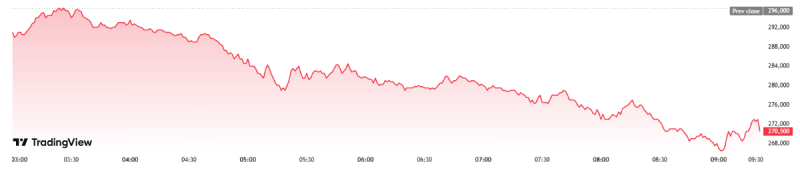
As investors considered the operational risks of the walkout, Samsung shares moved lower. The stock price reached ₩270 000 as tensions increased.
To understand the financial impact, one must look at the reports of potential losses of 2 billion dollars per day. Semiconductor facilities contain a large amount of capital in systems that are designed for continuous use. If utilization drops, the financial costs increase quickly.
But the strike also demonstrates a fact that is often hidden by the growth of artificial intelligence. The semiconductor industry is discussed as infrastructure for the future but the production base is dependent on specialized industrial labor that works twenty four hours a day. With all the talk of automation, chip production is still dependent on people who keep systems stable.
And the decision by Samsung to slow operations before the strike begins suggests the company is acting on a specific priority. To avoid disorder inside the facility is more important than to reach the highest level of short term output.
 Marina Lyubimova



