Sergey Diakov
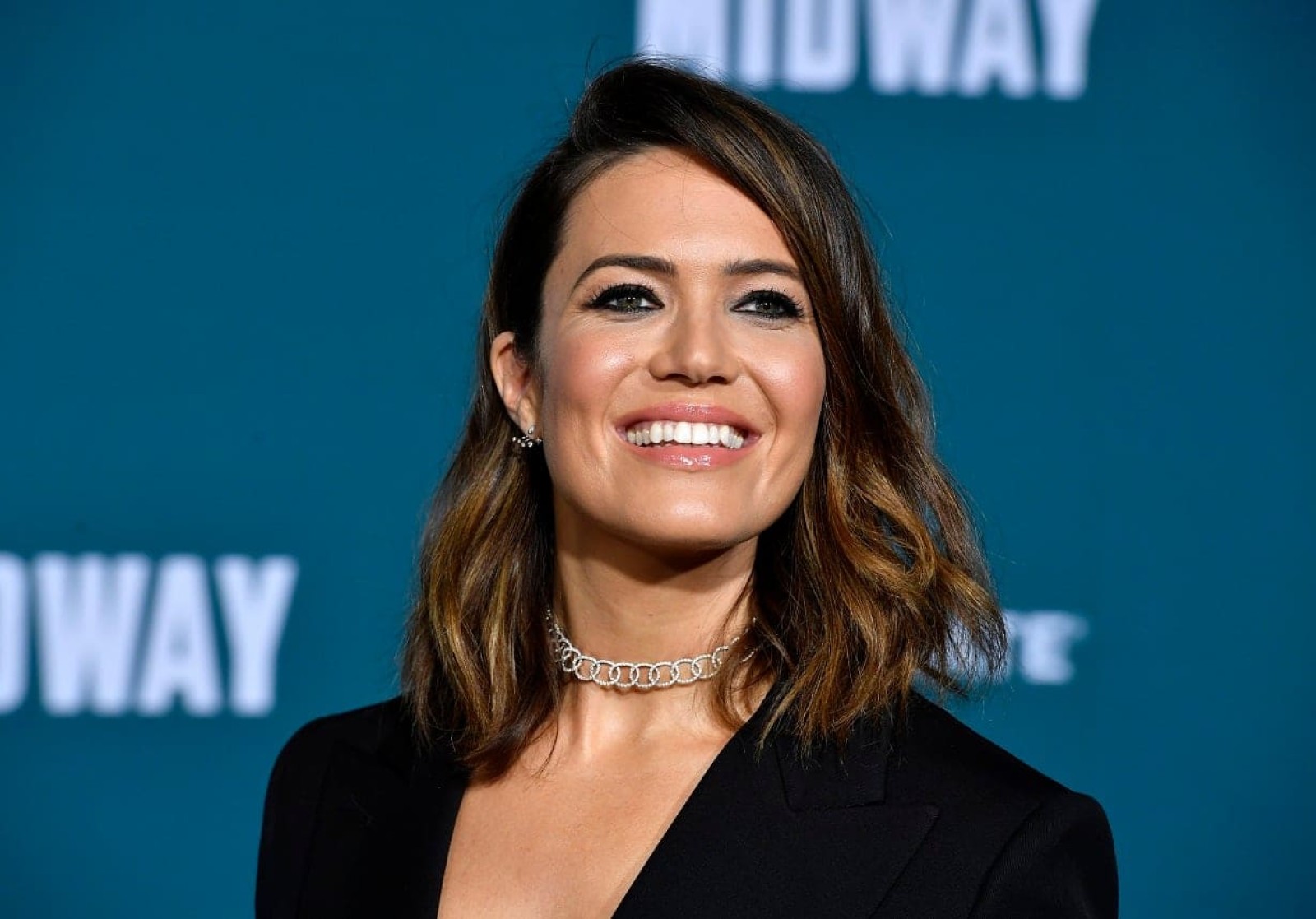
Mandy Moore never had one giant breakout moment that changed everything overnight. What she had was staying power. From a lucky studio encounter at 15 to a $250,000-per-episode paycheck on one of TV's biggest dramas, she built her fortune the slow way: by never fully disappearing and always being ready for the next chapter.
How Mandy Moore Made Her First Dollar at 15
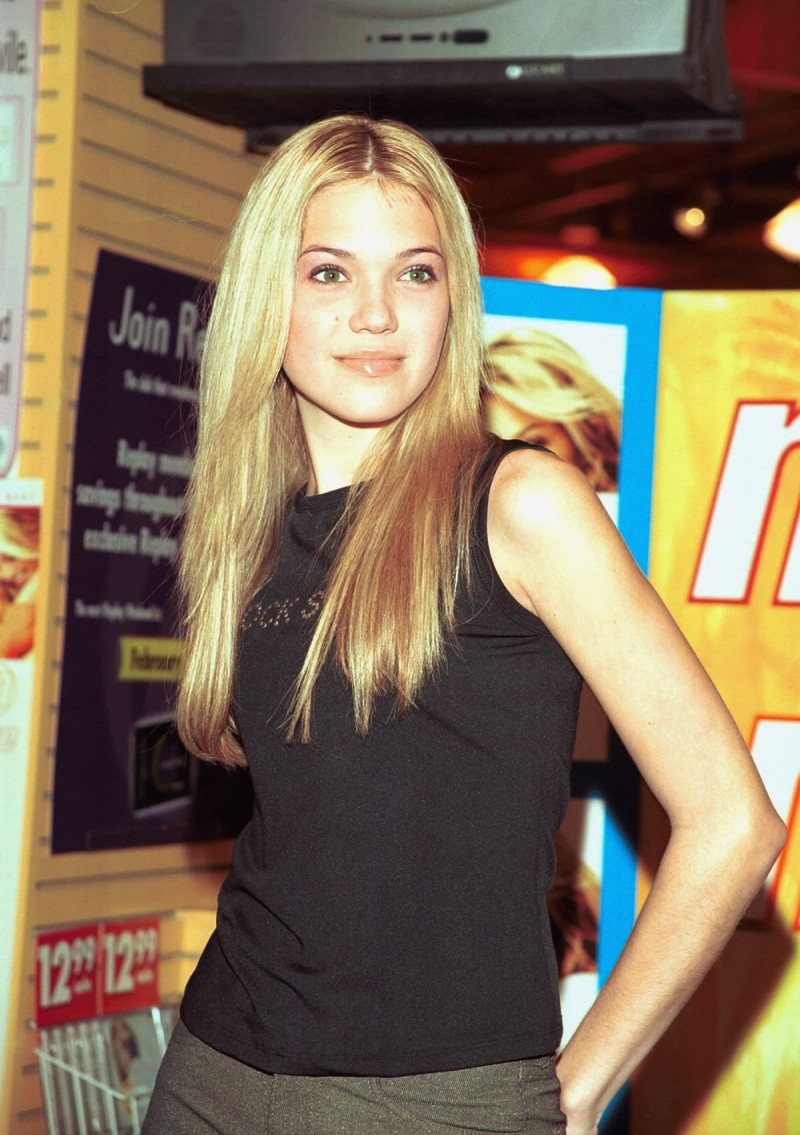
Mandy Moore's money story starts with a lucky break that sounds almost too good to be true. While recording demos at a studio in Orlando, she was overheard by a FedEx delivery man who had a contact at Epic Records. That chance encounter led to a record deal, and by 1999, at just 15 years old, she was on tour with NSYNC and the Backstreet Boys, getting paid to perform for some of the biggest crowds in pop music.
Her debut single "Candy" hit No. 41 on the Billboard Hot 100, and her first album So Real landed at No. 31 on the Billboard charts. At that stage she wasn't a megastar, but she was working. Over time, her albums sold a combined 10 million copies, establishing a catalog that still generates streaming and licensing income today.
Acting Gigs and Growing Paychecks Through the 2000s
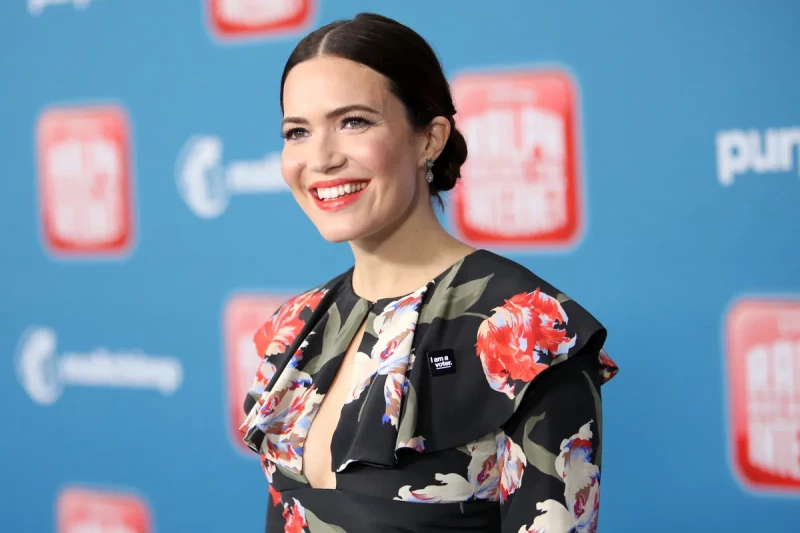
Moore pivoted smartly. In 2002, she landed the lead in A Walk to Remember, the Nicholas Sparks adaptation that opened at No. 3 at the U.S. box office and earned over $41 million domestically. That film was her calling card as a serious actress, not just a pop act looking for a side hustle.
She followed it with roles in Chasing Liberty, Because I Said So, and a memorable supporting part in The Princess Diaries alongside Anne Hathaway. She also voiced Rapunzel in Disney's Tangled, a franchise that continues to pay royalties from a film that became a genuine animated classic. None of these roles made her the highest-paid actress in Hollywood, but they kept her career moving forward when many teen pop acts were fading out entirely.
Mandy Moore Net Worth Peak: $250K an Episode on This Is Us
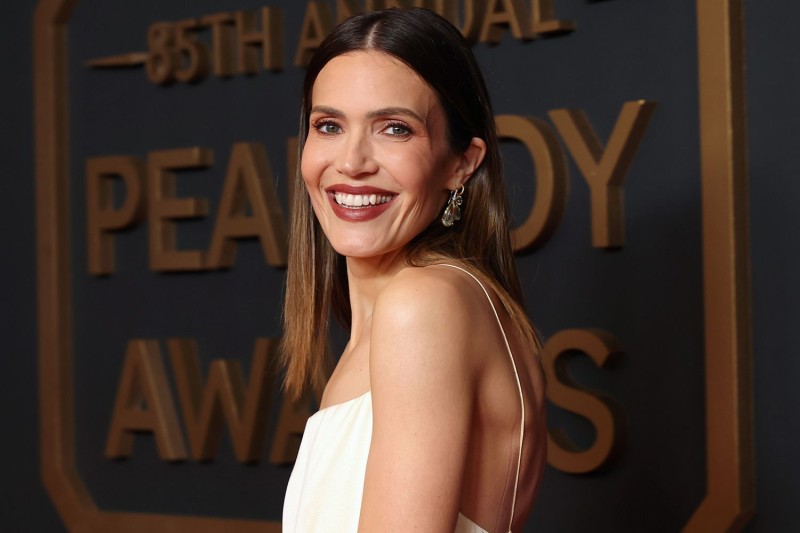
The real financial turning point came in 2016 when Moore was cast as Rebecca Pearson in NBC's This Is Us. According to Variety, she earned $85,000 per episode during the first season alone, roughly $1.5 million for the 18-episode run. By the show's final seasons, that figure had climbed to around $250,000 per episode, making her one of the highest-paid cast members on one of television's most-watched dramas.
The show ran for six full seasons through 2022 and earned Moore both Golden Globe and Emmy nominations. The irony is that despite the big per-episode paychecks, she has noted publicly that residual payments from the show's Hulu streaming deal amount to almost nothing, sometimes just pennies. The upfront money, though, was substantial enough to anchor her Mandy Moore net worth at its current level.
Where Mandy Moore Stands Financially in 2025
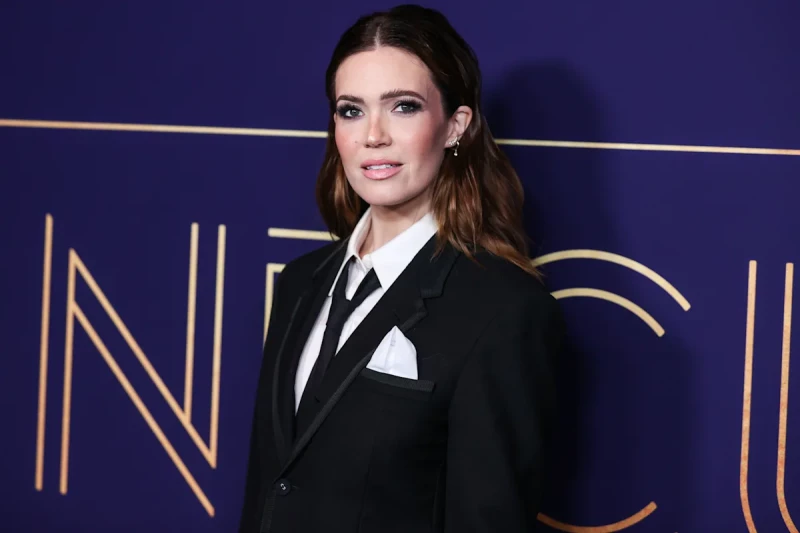
As of 2025, the most widely cited figure for Mandy Moore's net worth is $14 million, per Celebrity Net Worth. Her annual earnings are estimated at around $4 million. She owns property in California and continues to earn from music royalties, Tangled-related projects, and occasional new work. She also released her album Silver Landings in 2020, her first in 11 years, and still records music with her husband, musician Taylor Goldsmith of Dawes.
Moore has also built income outside entertainment, including a fashion line called Mblem in the mid-2000s and brand partnerships such as a spokesperson role for Dove's self-esteem movement. Her philanthropic work, including helping raise $1.2 million for the Nothing But Nets campaign, reflects a public profile that keeps her relevant beyond any single project.
Mandy Moore's Formula for Long-Term Success
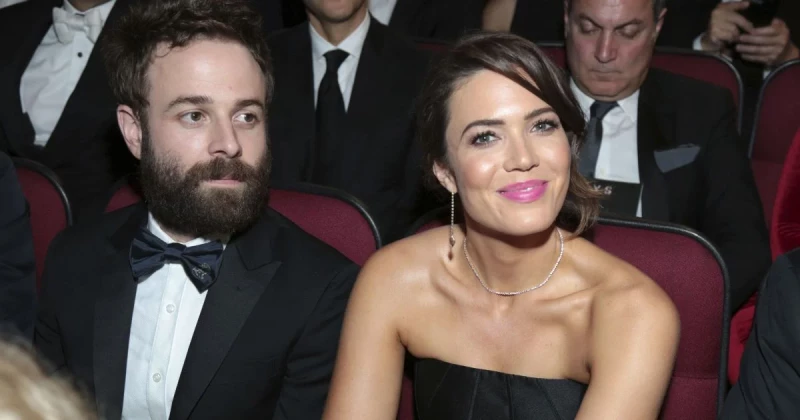
Moore's career offers a few clear lessons. First, she never tried to compete at the top of the pop charts. Instead she used modest early success as a launchpad for acting. Second, she stayed in the industry consistently rather than chasing one massive hit, taking roles that kept her visible even when none were blockbusters. Third, she reinvented herself at 32 by accepting a serious dramatic role on television, proving that a second act is possible if you stay ready for it. Her own framing of her younger self, not as an embarrassment but as "the reason I'm here," suggests a grounded perspective on building a career over decades rather than sprinting for one peak moment.
 Sergey Diakov