Sergey Diakov
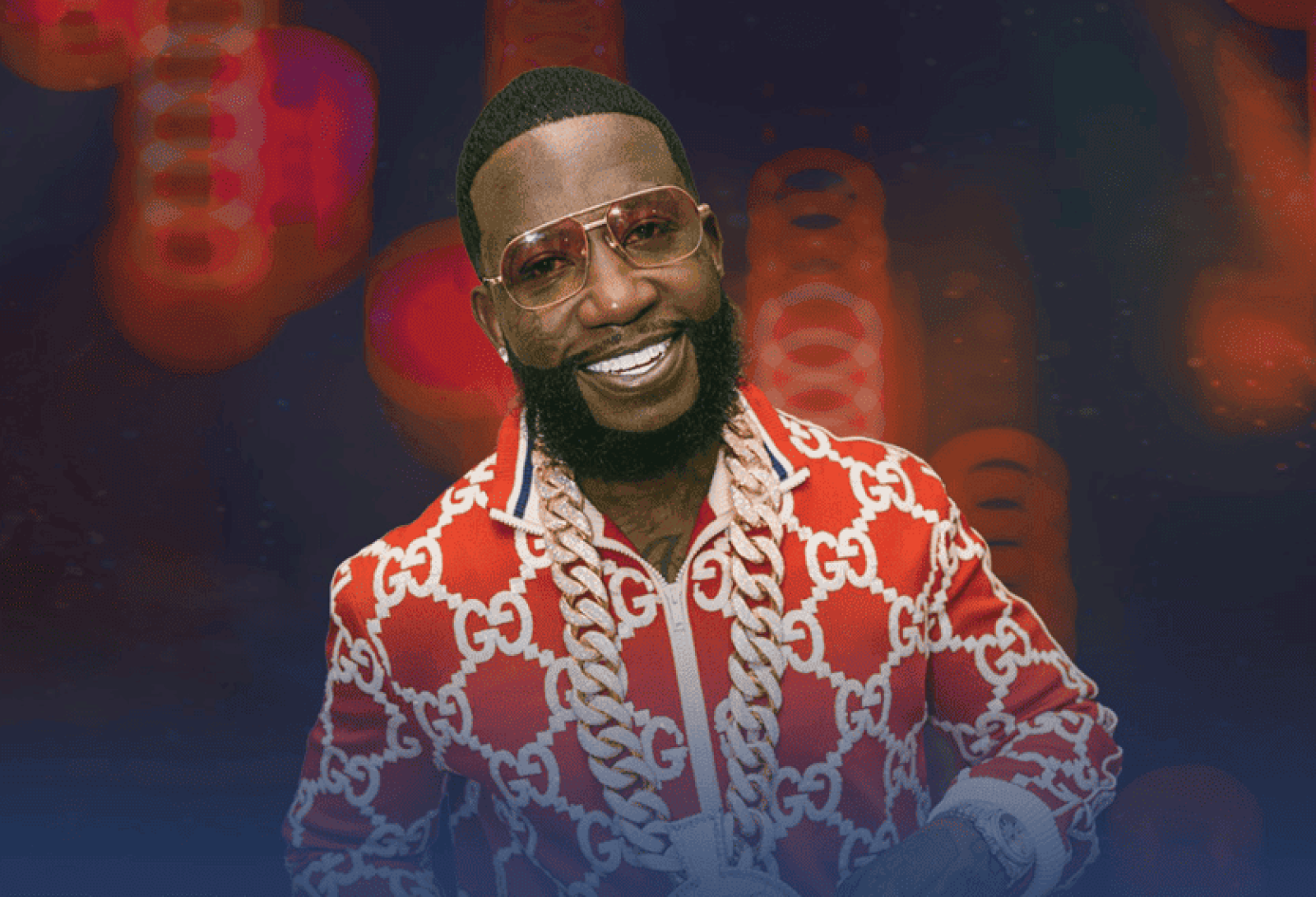
There are rappers who become famous, and then there are rappers who reshape an entire genre. Gucci Mane did both - and he did it while fighting the kind of personal battles that would have ended most careers before they ever got started. Born Radric Delantic Davis on February 12, 1980, in Bessemer, Alabama, he moved to East Atlanta at nine years old and grew up in the part of the city known as Zone 6. By the time he was a teenager, he was already figuring out how to survive on his own terms. By the time he was 40, he had built a multi-million dollar empire from scratch.
First money: the streets before the studio
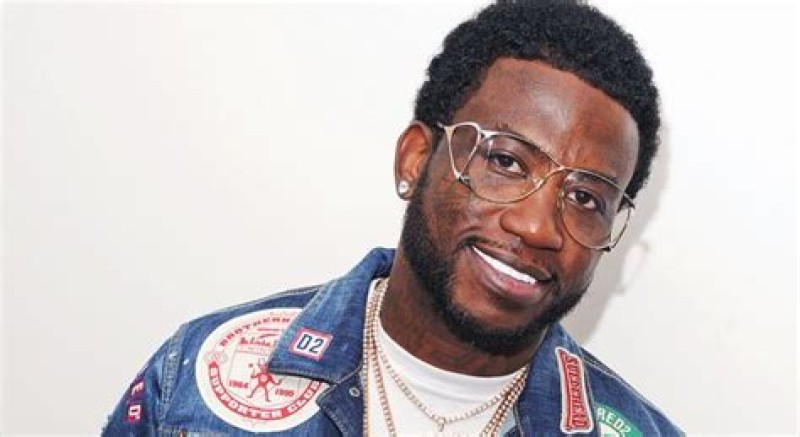
Gucci started writing verses at 14. Not because anyone told him to - he just had a natural feel for words, inherited from years of watching his father navigate the streets with nothing but sharp instincts and sharper talk. But poetry didn't pay the bills, and growing up poor in Zone 6 meant that money was never an abstract concept. He started dealing drugs as a young teenager, partly to buy Christmas presents his mother couldn't afford, and partly because he had already decided he was never going back to sleeping hungry or sitting in the dark when the electricity got cut off.
His first real music money came from the streets too. In 2001, he pressed roughly 1,000 CDs of his debut release La Flare on Str8 Drop Records and sold them by hand in East Atlanta. No label, no advance, no distributor. Just a kid moving product the only way he knew how. He was still selling drugs on the side to pay for studio time, treating the rap career not as an alternative to the hustle but as a longer-term version of it.
How Gucci Mane's rap career took off - album by album
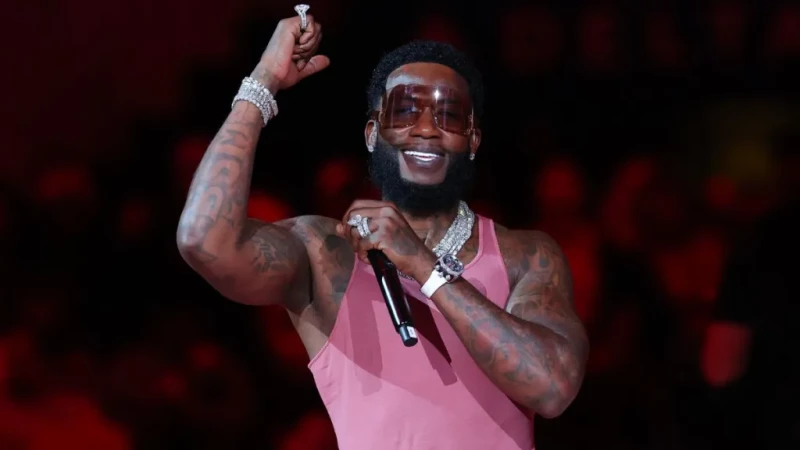
In 2002 he founded LaFlare Entertainment with producer Zaytoven and made a trip to New York looking for a distribution deal. He came back empty-handed. It didn't slow him down. In 2005, he released Trap House on independent Big Cat Records, and the album entered the Billboard 200. That was the moment things became real.
What followed was a release pace that most artists couldn't sustain for a year, let alone a decade. From 2005 to 2009, Gucci was putting out six to ten mixtapes a year - raw, unpolished, immediate - while simultaneously dropping studio albums. His 2006 album Hard to Kill produced "Freaky Gurl," his first Billboard Hot 100 entry. By 2009 he had signed with Warner Bros. Records, and The State vs. Radric Davis debuted at number 10 on the Billboard 200. The single "Wasted" peaked at number 36 on the Hot 100 and number 3 on both the Rap Songs and R&B/Hip-Hop charts. Despite multiple arrests during this period - assault, drug possession, probation violations - he landed on Forbes' 2010 Hip-Hop Top 20 Earners list with $5 million for that year alone.
Prison years and the peak of Gucci Mane's net worth climb
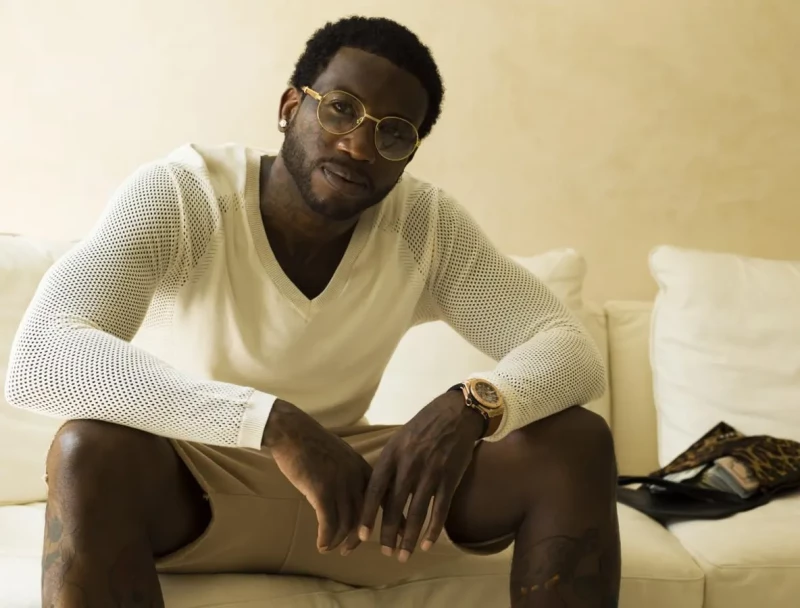
In 2014, Gucci took a plea deal on a federal firearms charge and began a 39-month sentence. By any normal logic, that should have slowed things down. Instead, his influence expanded. Migos, Young Thug, and Future - all of them citing Gucci as a foundational influence - were becoming global stars while he was locked up. His music kept circulating, his catalog kept earning, and by some estimates he was pulling in around $1.3 million from royalties in 2014 without stepping foot in a studio.
He came out in May 2016 looking like a different person - 90 pounds lighter, clean, and carrying a handwritten five-year plan. The transformation wasn't just physical. He had kicked a years-long addiction to lean, started working out twice a day, and spent his time in prison writing what would become The Autobiography of Gucci Mane. The book was published in 2017, debuted at number 1 among hip-hop books on Amazon, and became a New York Times bestseller. That same year, "I Get the Bag" with Migos went on to sell over 8 million US units. His BET wedding to Keyshia Ka'oir, reportedly valued at $1.7 million and turned into a 10-episode reality series, was somehow both a personal celebration and a perfectly timed brand campaign.
Gucci Mane net worth in 2025: where the money actually comes from
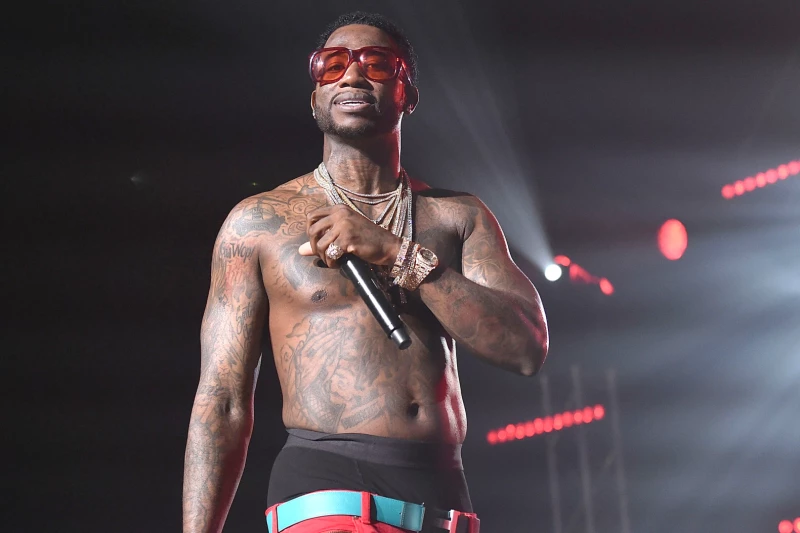
Most credible estimates put Gucci Mane net worth at around $14 million in 2025, though Celebrity Net Worth places the figure closer to $25 million. The gap reflects different assumptions about catalog value, label equity, and business holdings. What's clear is that the money comes from several directions at once:
- Music streaming and royalties - streaming now accounts for roughly 80% of his ongoing earnings, with a compound annual growth rate of around 16% over the past five years
- 1017 Records (now The New 1017), which has launched careers including Pooh Shiesty and Foogiano and functions as a genuine long-term asset
- Brand partnerships with Gucci, Reebok, and Supreme
- Acting - Spring Breakers and Birds of a Feather
- The Delantic clothing line, launched in 2017-2018
- Book royalties from his autobiography and ongoing touring income
Gross career income is estimated at $30-35 million before taxes, management fees, label operating costs, and everything else that turns headline numbers into real ones. After those deductions, the $14 million figure represents what has actually accumulated - catalog residual value, property, cash, and equity in the 1017 brand. In 2025, he announced he is parting ways with Atlantic Records, a move that signals he is betting on independence and ownership over the comfort of a major label deal.
How Gucci Mane thinks about success
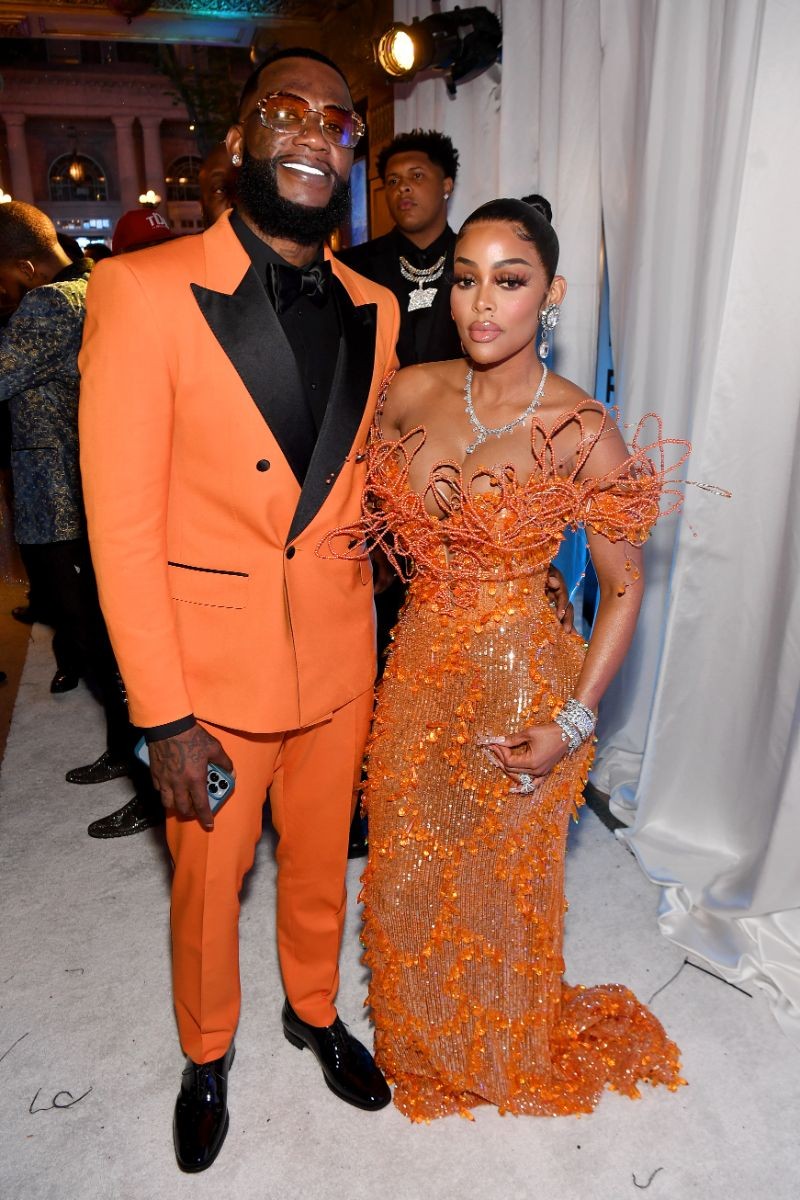
He doesn't talk about success the way motivational speakers do. His principles come from surviving things most people never encounter and making calculated decisions under real pressure. A few ideas that have defined how he built what he built:
- Volume beats perfection. 71 mixtapes built a fan base that no single polished album ever could. Consistency compounds over time in ways that individual moments of brilliance cannot.
- Own your infrastructure. 1017 Records was never just an ego project - it was a long-term asset. Signing artists, controlling rights, building a roster creates income that outlasts any individual song.
- Health is a business decision. Getting sober and losing 90 pounds in prison made him more productive, more focused, and more bankable. He has said that he thought he couldn't make music sober - and that getting sober proved him completely wrong.
- Build community, not just a brand. He graduated high school wanting to be a label executive, not a solo rapper. That instinct to discover and develop others - from Zaytoven to Migos to Pooh Shiesty - turned out to be his most durable competitive advantage.
- Resilience is the actual product. Every prison sentence, every setback, every public low point became part of a story that kept people paying attention. The comeback is as valuable as the peak.
 Sergey Diakov