Artem Voloskovets
The supplier said the new tariffs will take effect in the coming weeks, with the increases expected to add more than €250 annually to bills for many households depending on usage levels. The move adds fresh pressure on consumers already dealing with elevated mortgage costs, food inflation, and persistently high living expenses across Ireland.
Irish Consumers Face Another Energy Shock
Electric Ireland’s latest increase comes despite signs of stabilization in global energy markets over the past year. Consumer groups argue the latest move risks deepening energy poverty, particularly among lower-income households and elderly residents who already spend a disproportionate share of income on utilities. Several advocacy organizations have renewed calls for additional government support measures ahead of winter.
European Electricity Prices Remain Near Historic Highs
Eurostat data shows that average household electricity prices across the EU climbed from roughly €0.21 per kWh in 2015 to nearly €0.29 per kWh in 2025, remaining close to record levels despite easing wholesale energy markets.
The sharpest acceleration came after 2021, when Europe’s energy crisis pushed supplier costs and consumer utility bills dramatically higher.
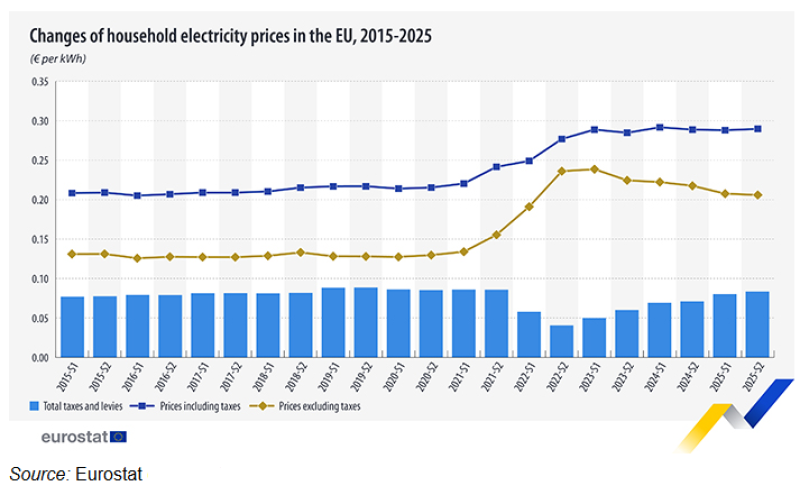
The data also shows that taxes and levies temporarily declined during the peak of the energy crisis as European governments attempted to shield households from soaring electricity costs.
Why Prices Are Still Rising
Electric Ireland cited continued volatility in international energy markets alongside infrastructure and operational costs as key reasons behind the latest increase. However, the announcement also highlights a broader issue across Europe: retail energy bills are not falling as quickly as wholesale commodity prices.
Energy suppliers typically purchase energy months in advance through hedging strategies, meaning household pricing often reacts more slowly to market declines. Utilities are also facing elevated network investment costs and tighter regulatory pressure following the European energy crisis.
Gas Prices Have Fallen - But Consumer Bills Remain Elevated
Wholesale natural gas prices have dropped significantly from crisis-era highs and are currently trading near $3 per MMBtu.
Despite that decline, household electricity and gas bills across Europe remain elevated.
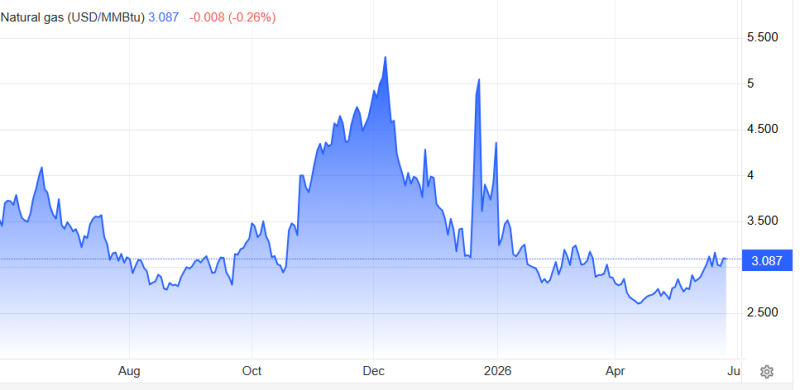
The disconnect illustrates how retail energy pricing often lags behind wholesale commodity markets, particularly after periods of extreme volatility. Analysts say many European suppliers are still rebuilding margins and adjusting long-term procurement contracts signed during the height of the energy crisis.
Estimated Impact on Irish Households
| Household Type | Previous Annual Bill | Estimated New Bill | Annual Increase |
| Small apartment | €1,850 | €2,010+ | €160 |
| Average family home | €2,900 | €3,160+ | €260 |
| Large detached home | €4,200 | €4,560+ | €360 |
The increases are expected to hit middle-income households particularly hard, as many consumers no longer qualify for emergency support measures introduced during the peak of the energy crisis.
Energy Inflation Continues to Outpace Broader Price Growth
The latest increases also reinforce how energy inflation remains more persistent than broader consumer inflation across much of Europe. While overall inflation rates have moderated in recent quarters, utility costs continue to place disproportionate pressure on household budgets. The challenge is becoming increasingly political as voters across Europe continue to feel the effects of elevated energy costs long after wholesale markets stabilized.
 Artem Voloskovets