Artem Voloskovets
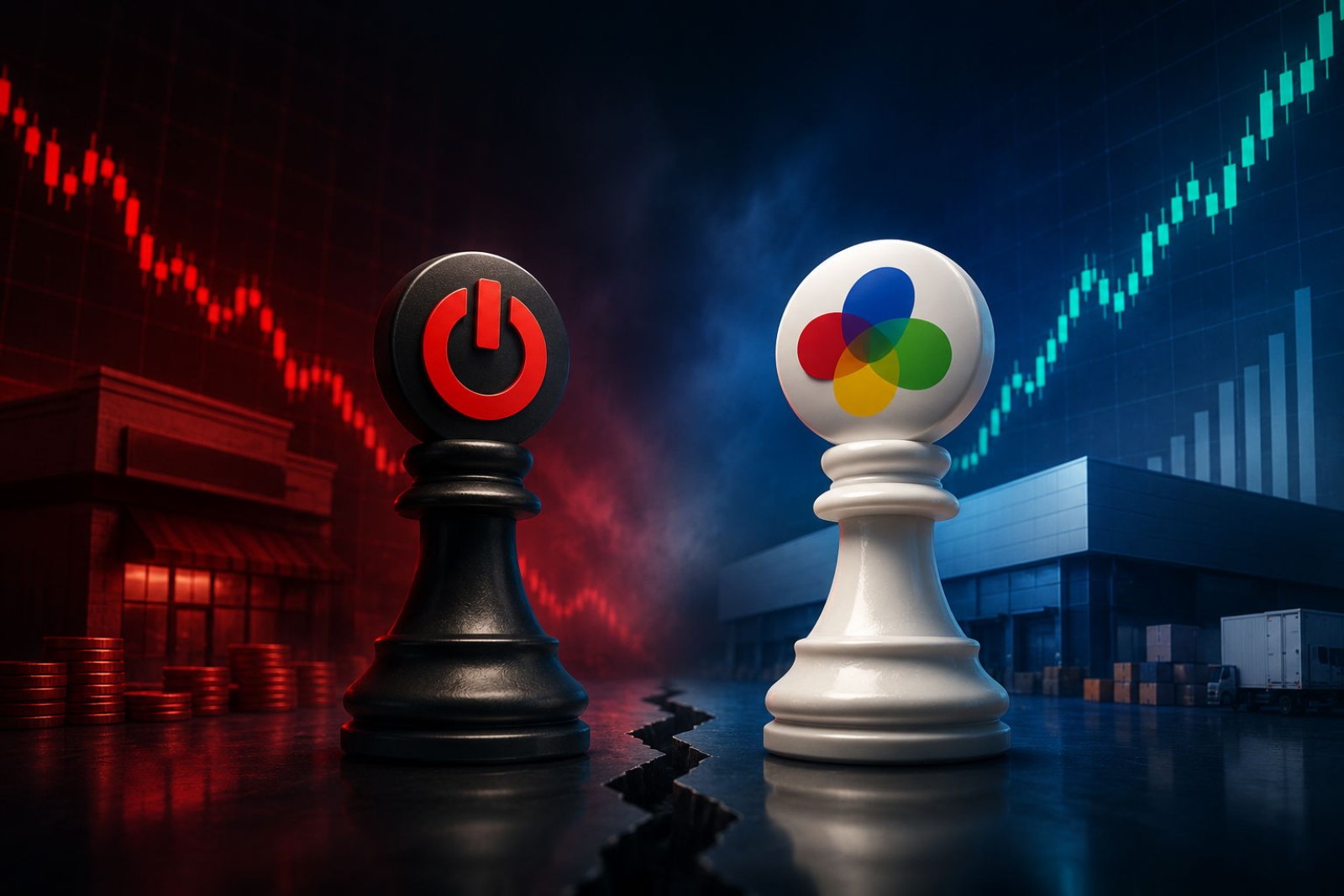
But the more interesting story may be that markets never believed the deal was real in the first place.
Despite GameStop’s headline offer price of $125 per share, eBay stock continues trading near $107 - a massive discount that effectively signals investors see little chance of completion. In traditional M&A situations, credible acquisition offers typically pull target shares much closer to the proposed buyout price.
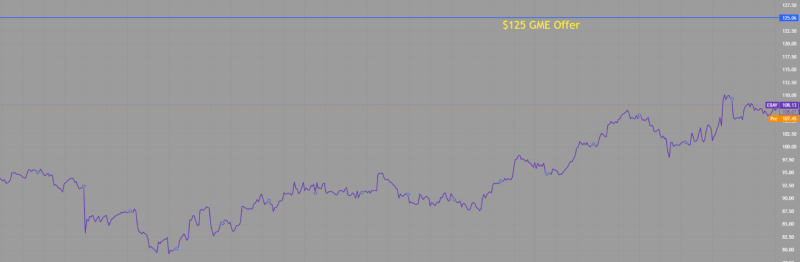
The chart highlights the market’s skepticism clearly. In credible takeover situations, target shares usually trade much closer to the proposed acquisition price. eBay’s persistent discount suggests investors see major financing, regulatory, and execution risks surrounding the transaction.
The financing structure may explain why.
The proposed $20 billion financing support from TD Bank reportedly depended on the combined company achieving an investment-grade credit rating. But Moody's quickly warned that the merger would likely weaken eBay’s credit profile instead of improving it - directly undermining the core assumption behind the financing package.
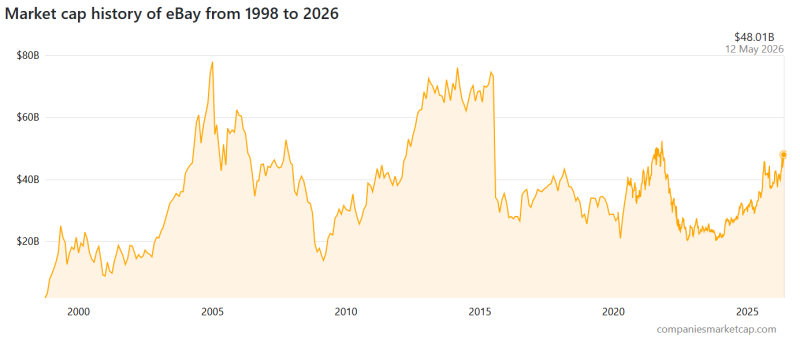
The second chart exposes the structural imbalance behind the proposal. GameStop’s market capitalization remains dramatically smaller than eBay’s, making the scale of the acquisition highly unusual even by aggressive activist-investor standards.
That imbalance is becoming central to the market’s reaction. Investors increasingly appear to view the proposal less as a realistic M&A transaction and more as a high-profile pressure campaign designed to capture attention and reshape GameStop’s narrative in public markets. Even more notably, investor Michael Burry reportedly exited his entire GameStop position shortly after the proposal surfaced, warning the transaction could bury the company in debt.
Yet GameStop CEO Ryan Cohen has shown no sign of retreat. Instead, he publicly stated:
I’m not going away. I’m a pain in the ass, while signaling he could take the bid directly to eBay shareholders.
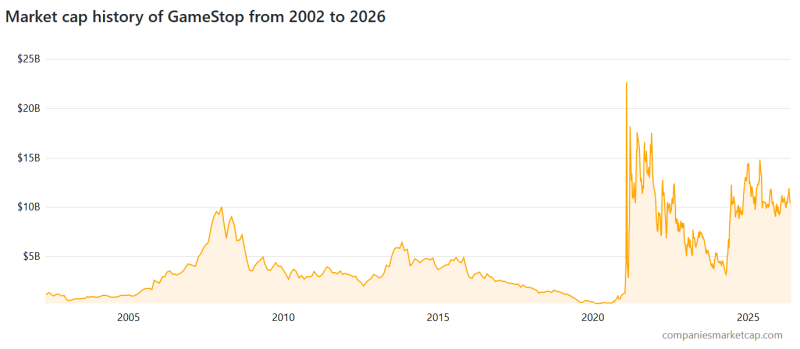
The third chart may explain why the strategy still matters even if the acquisition itself fails.
For years, GameStop has traded less like a traditional retailer and more like a market narrative driven by retail investor enthusiasm, speculative positioning, and internet-fueled momentum. Maintaining visibility and disruption has often been almost as important to the stock as underlying business fundamentals.
In that context, the eBay bid may serve another purpose entirely: reinforcing Cohen’s image as an activist outsider willing to challenge corporate norms while keeping GameStop at the center of market attention.
The market’s reaction suggests investors are already separating the theater from the transaction itself. The real question now may not be whether GameStop can actually buy eBay - but whether maintaining the appearance of ambition has become more valuable to GameStop than completing the deal at all.
 Artem Voloskovets