Artem Voloskovets
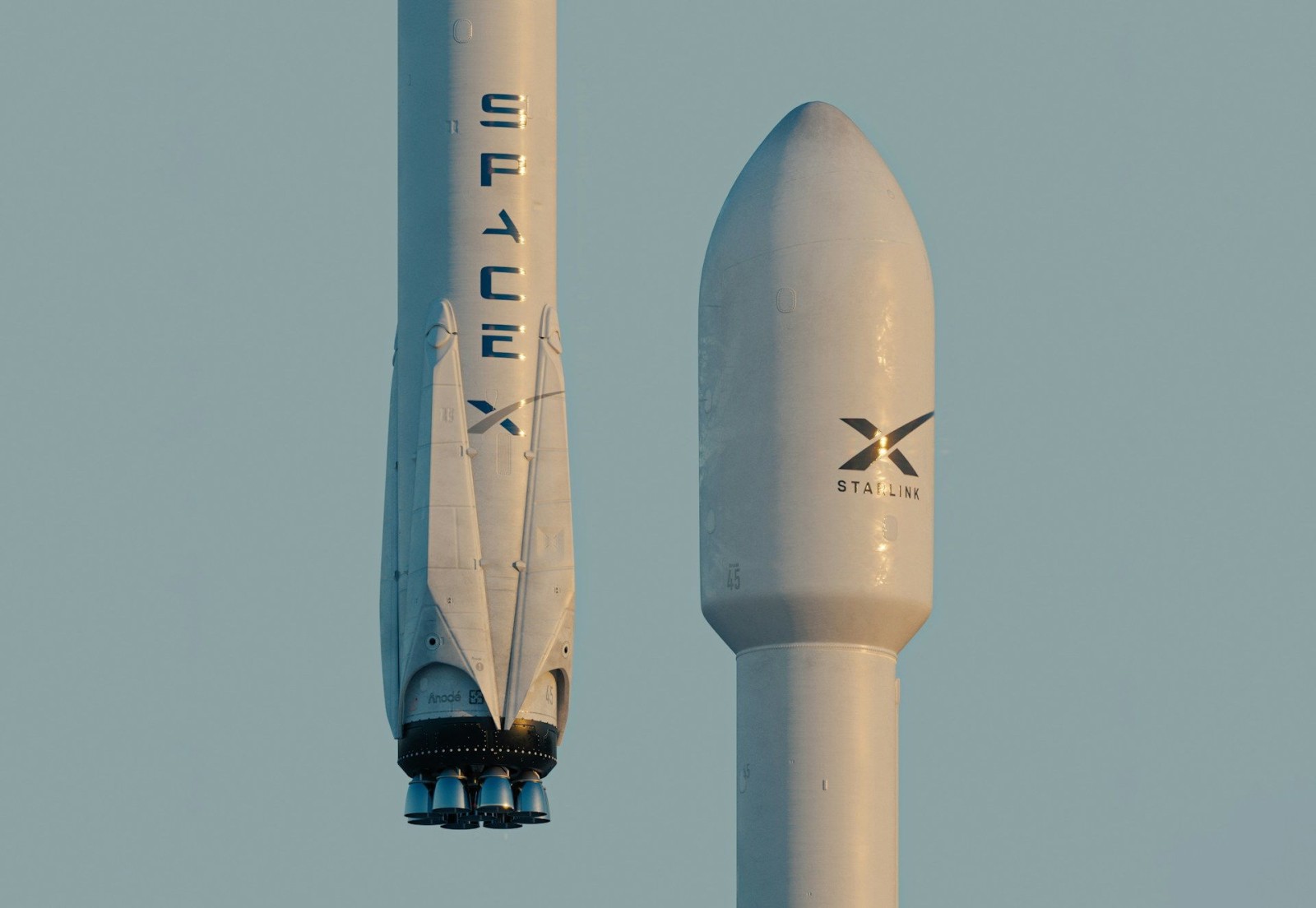
A $1.8 trillion IPO would place SpaceX among the most valuable public companies in the world from its first day of trading.
The valuation alone is large enough to dominate headlines. Yet another detail may have a greater impact on how the stock trades after listing: reports that up to 5% of IPO shares could be allocated to insiders without traditional lock-up restrictions. Most highly anticipated IPOs are designed to limit early selling. SpaceX appears to be considering a different approach.
A Company Larger Than the Aerospace Sector
At $1.8 trillion, SpaceX would be worth several times more than the largest aerospace and defense companies combined. The market is not valuing the business solely as a rocket manufacturer. Investors increasingly see four separate businesses under one roof: launch services, satellite communications, government and defense contracts, and future space infrastructure.
That combination has few public-market equivalents. Traditional aerospace companies are usually valued on manufacturing output and contract pipelines. SpaceX is being evaluated through a different lens, one that resembles large-scale technology and infrastructure platforms.
Lock-up agreements are standard in IPOs because they reduce the risk of large amounts of stock hitting the market immediately after listing. If reports are accurate, SpaceX could make an exception.
| Metric | Value |
| IPO Valuation | $1.8T |
| Insider Allocation | 5% |
| Freely Tradable Insider Shares | $90B |
At a valuation of $1.8 trillion, a 5% allocation represents roughly $90 billion worth of stock. Not all of those shares would necessarily be sold. Even so, the number is large enough to attract attention. For comparison, $90 billion exceeds the total amount raised in many of the largest IPOs ever completed.
Insider sales do not automatically signal a lack of confidence. Employees, executives, and early investors often sell shares to diversify concentrated holdings. Markets, however, tend to react strongly when insiders gain immediate liquidity after a public listing.
The Valuation Leaves Little Room for Error
Demand is unlikely to be the problem. SpaceX has spent years as one of the most sought-after private assets, with secondary-market transactions repeatedly attracting institutional capital.
Pricing is where scrutiny will intensify.
| Metric | Value |
| Revenue | $15–16B |
| EBITDA | $8B |
| Valuation Target | $1.75–1.8T |
| Valuation / Revenue | ~113x–120x |
A valuation approaching $1.8 trillion would place SpaceX at well above 100 times annual revenue. Those multiples are rarely associated with industrial businesses. Investors would effectively be paying for future growth years before it appears in reported financial results.
The market's willingness to support such a valuation depends on one business more than any other.
Starlink Is Carrying the Investment Case
Launches built SpaceX. Starlink is what can justify a trillion-dollar valuation. Rocket launches generate revenue project by project. Satellite subscriptions create recurring cash flow, a model that markets typically reward with higher valuation multiples.
As Starlink expands globally, investors gain exposure to a communications network rather than a traditional aerospace contractor. That distinction helps explain why SpaceX is often compared with technology companies despite operating in an industry historically associated with manufacturing and government procurement.
The stronger Starlink becomes, the easier it is for investors to defend valuations that would otherwise appear disconnected from conventional aerospace metrics.
Why This IPO Could Redefine Public Market Expectations
Few companies combine launch services, satellite communications, defense contracts, and infrastructure assets within a single corporate structure. Public markets have never had a direct comparable.
At $1.8 trillion, SpaceX would not be entering public markets as an aerospace company. It would arrive as one of the world's largest technology and infrastructure businesses on day one. The insider allocation adds another layer to the story. Up to $90 billion in stock could become immediately tradable without lock-up restrictions, creating a supply dynamic rarely seen in major IPOs.
Whether that supply becomes selling pressure or is easily absorbed by demand may determine how the market responds to what could become the most closely watched public offering of the decade.
 Artem Voloskovets