Editorial staff
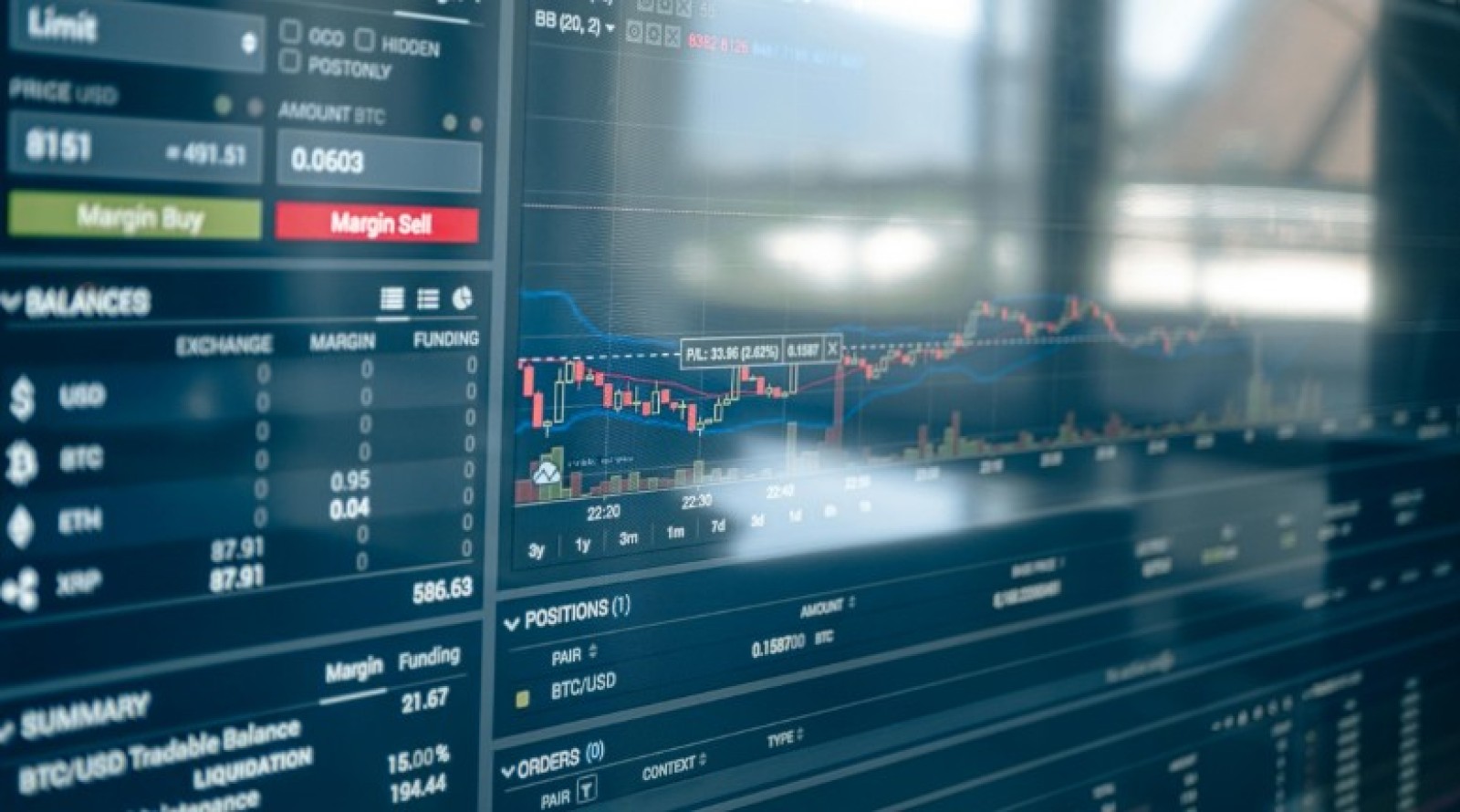
The global forex market never slows down. Prices jump in seconds, economic news flashes across the world and traders often stare at a dozen charts at once. Trying to keep up by hand? It’s exhausting, like drinking from a firehose and hoping you don’t drown.
That’s why more traders have started using automated tools. What used to be a niche experiment for a few tech-savvy pros is now part of everyday trading for everyone from big institutions to solo investors at home.
Robot forex trading software has become standard gear. Some traders use it as a sidekick that spots opportunities; others go all in, letting the software handle every trade from start to finish. So, what can these tools actually do? And why are they such a big deal now?
The rise of automation in forex markets
Forex has always been wired for technology. Banks and hedge funds jumped on algorithmic trading early, way before the average person could even dream of using those systems. Now, things have changed. Retail traders have access to automation once reserved for the big players.
It just makes sense. Automated robot forex trading software can watch dozens of currency pairs at once, crunch technical indicators and pull the trigger on trades at speeds no human can match. Since forex runs 24/7 across time zones, having a tool that never sleeps is a lifesaver.
For anyone with a day job or other investments to watch, automation lets them stay active in the market without living in front of a screen.
What robot forex trading software actually does
At its heart, robot forex trading software runs on algorithms built to follow specific trading rules. The software scans market data; price movements, trends, volatility and technical signals. Based on its instructions, it decides when to buy, where to put stop losses and when to get out.
Some robots are built for quick, short-term trades; others chase bigger trends or hunt for breakouts. The real strength? Robots don’t get scared, greedy or second-guess themselves. They just stick to the plan. Human traders get emotional and make mistakes. Robots keep it simple.
That doesn’t make them perfect, far from it, but it does take a lot of the mental stress out of trading. Speed is another huge edge. When news hits or something big happens, markets can spin in seconds. Automated systems jump on those moves instantly, sometimes in less than a blink.
Advanced data analysis and strategy testing
One thing that really sets modern trading robots apart is how much data they can handle. Markets spit out endless streams of information; prices, economic news and trading volumes. Going through all of it by hand would take forever. Automated tools chew through that data in seconds.
They also let traders backtest strategies. Backtesting means running your trading plan on old market data to see how it would have done. It’s a smart way to refine your approach and manage risks before putting real money on the line.
For traders who love digging into numbers, this is a dream. Instead of just guessing or relying on gut feelings, they can experiment, check the results and keep improving their system bit by bit.
Risk management features built into modern systems
Ask any professional trader, and you’ll probably hear the same thing: Winning at trading isn’t just about timing your entries. It’s really about managing risk, knowing when to cut losses and protect your capital.
That’s why most automated trading tools come packed with built-in safety nets. Stuff like stop loss settings, position size controls and limits on how much you’re willing to lose. These features step in before a bad trade wrecks your account.
For beginners, these guardrails are a lifesaver. Most new traders trip up because they underestimate risk or let losses spiral out of control. Sure, automation won’t make trading risk-free. Markets can still throw curveballs, and sometimes a strategy that looks great in backtests just falls flat when real money’s on the line.
Learning platforms supporting automated trading
Now, having the tech is one thing. Knowing how to use it is another. That’s why more and more professional platforms are popping up, all aimed at helping traders actually understand and get the most out of automated systems. Some platforms do more than just hand over software; they offer courses, guides and practical tools for traders who want to sharpen their skills.
Instead of just selling downloads, these platforms focus on helping traders build real knowledge. Think market insights, hands-on training and the kind of analysis that shows how automated strategies actually behave when things get real. With automation spreading fast, this kind of support isn’t just nice to have, it’s becoming essential.
Balancing human insight and automation
Even with all the fancy software out there, seasoned traders will tell you, robots aren’t here to replace people. They’re tools. Nothing more, nothing less. Some folks use bots to scan for opportunities, but they still make the final call themselves.
Markets change. Economic news hits, liquidity dries up or some new global event shakes things up. Human judgment keeps trading systems flexible and grounded in what’s actually happening.
 Editorial staff