Marina Lyubimova
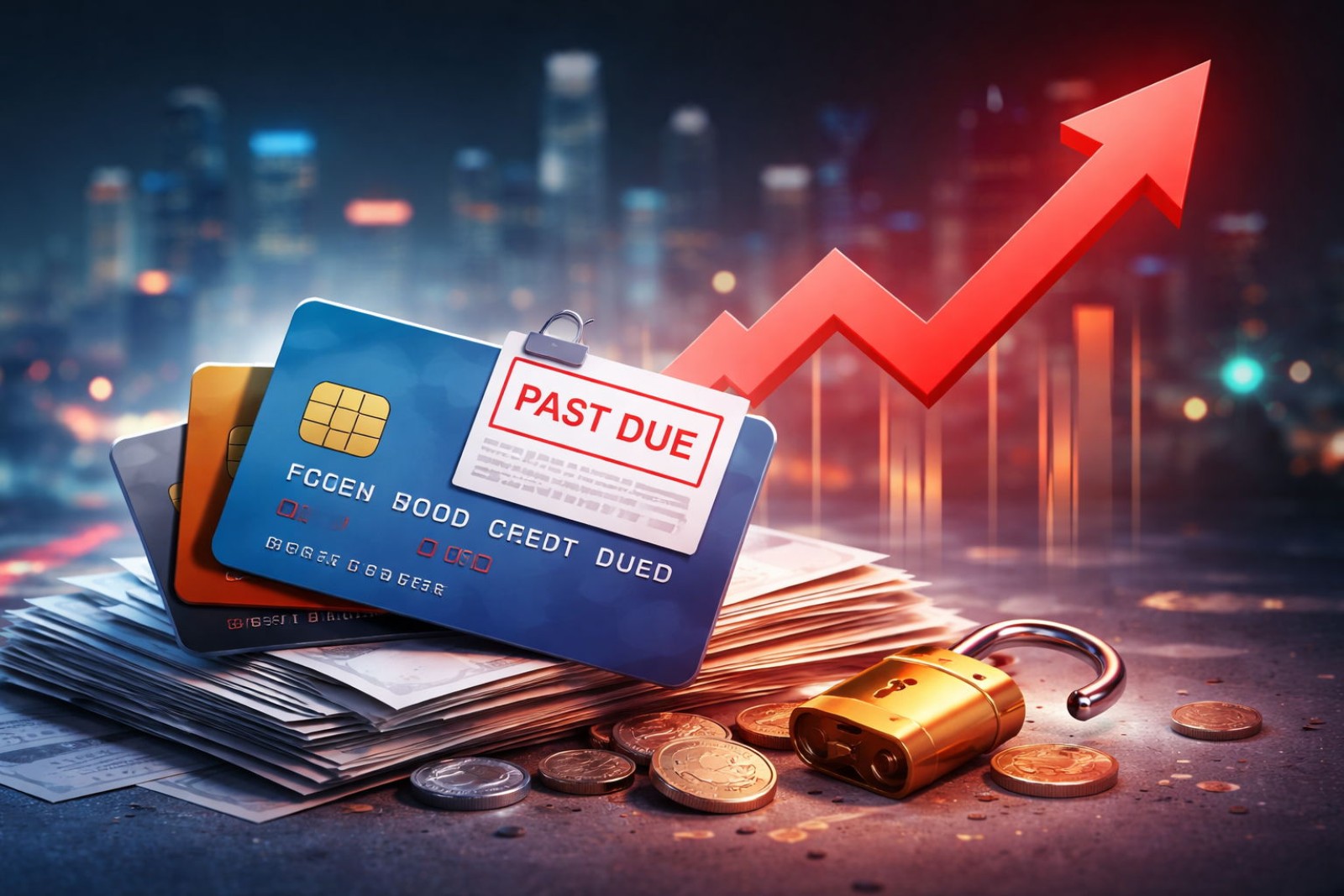
⬤ U.S. credit card delinquency rates have surged to levels not seen in over a decade. The share of balances 90 or more days past due has hit 12.7% - the second-highest reading ever recorded, trailing only the peak hit during the 2008 financial meltdown. After hovering around 9% in the early 2000s, serious delinquencies spiked above 13% post-crisis, then gradually cooled through the 2010s, bottoming near 7% around 2015. That relative calm didn't last. Starting around 2022, the trend reversed sharply, and by late 2025 it had climbed back to 12.7%.
⬤ US Credit Card Debt Delinquencies Reach 14-Year Peak - this framing from TheTradable captures just how significant the shift is. Unlike the Global Financial Crisis, which was driven largely by mass unemployment, today's stress is coming from a different direction: persistently high interest rates and savings buffers that have been quietly eroding for years. Households are carrying more expensive debt with less cushion to absorb it.
The rapid ascent of delinquency rates mirrors patterns tied to earlier economic stress periods, though the underlying drivers today include higher interest rates and eroding savings rather than job losses. - TheTradable
⬤ A separate TheTradable report, "US Credit Card Debt Hits 14-Year High", broadens the picture further, pointing to rising unsecured loan defaults across borrowing categories - not just credit cards. The pressure isn't isolated. It's spreading.
⬤ With nearly 1 in 8 dollars of credit card debt now seriously past due, the U.S. consumer credit market is flashing warning signs that lenders and policymakers can't easily ignore. Whether this plateaus or continues climbing toward that 2008-era peak remains the key question heading into 2025.
 Marina Lyubimova