Victoria Bazir
The United Arab Emirates is breaking away from OPEC in a move that could reshape global oil markets almost overnight. The decision ends decades of coordinated production policy and signals a structural shift in how one of the world’s key exporters approaches supply and pricing.
What happened
The UAE officially announced it will exit OPEC and OPEC+ effective May 1, with the statement distributed via the state agency WAM. The move follows a strategic review of the country’s energy policy. Officials say the UAE wants greater flexibility to manage production and respond faster to global demand.

What this means in real numbers
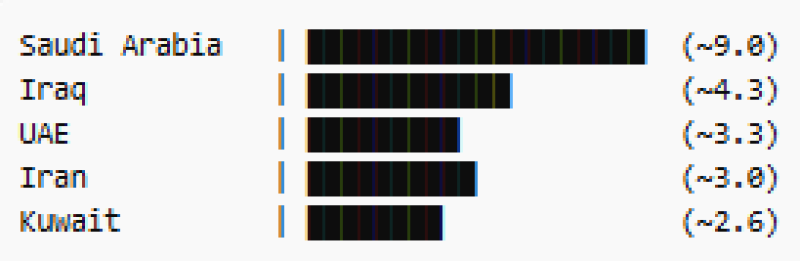
The UAE is not just another member of OPEC - it is one of its core producers.
- Production: ~3.2–3.5 million barrels per day
- Share in OPEC output: ~8–10%
- Global ranking: top 10 oil producers worldwide
Within OPEC+, the UAE has been one of the few countries with spare capacity, meaning it can quickly increase output. This makes its exit especially significant: the group is losing both volume and flexibility.
Why it matters
OPEC+ has long coordinated global oil supply, influencing prices through production quotas. The UAE’s exit could weaken that system and reduce the group’s ability to control market balance.
Market impact
Markets are already reacting to the announcement. Oil prices may become more volatile in the short term, while supply could increase if the UAE ramps up production independently.
The shift comes at a sensitive moment, with WTI crude oil futures near $95.34, highlighting how reactive markets already are to supply expectations.
At the same time, traders are reassessing coordinated strategies as WTI crude oil is pushing into a key resistance area, suggesting the next price move may be driven by both technical and geopolitical factors.
Geopolitical context
The exit reflects broader regional dynamics, including growing competition in the Middle East and a shift toward national energy sovereignty over cartel coordination.
The UAE has emphasized that the decision is based on long-term national strategy rather than alignment with other producers.
Bottom line
The UAE’s exit from OPEC marks a turning point for global energy markets. With one of its key members pursuing an independent strategy, the future of coordinated oil production-and price stability-now looks far less certain.
 Victoria Bazir