Sergey Diakov
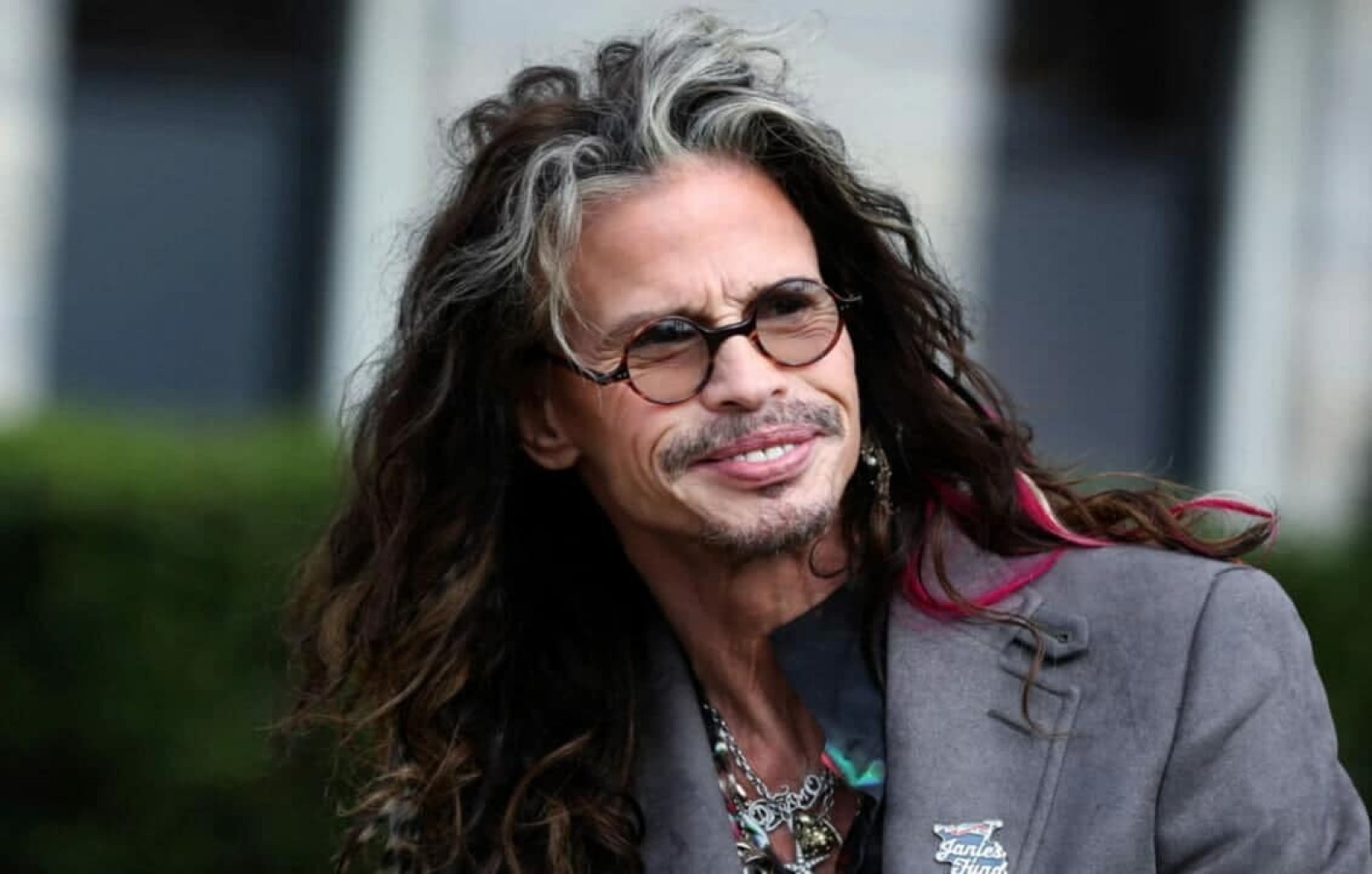
There's a version of this story where Steven Tyler never makes it. He blew through an estimated $20 million on drugs and alcohol, fell off a stage, checked in and out of rehab more times than his bandmates could count, and nearly lost his voice for good. But that's not how it ended. Instead, he walked away from it all with a $150 million fortune, four Grammy Awards, a spot in the Rock and Roll Hall of Fame, and a catalog that still earns millions every year without him lifting a finger. So how did a kid from Yonkers named Steven Tallarico pull that off? It's a pretty good story.
Steven Tyler's First Gigs and the Road to Aerosmith
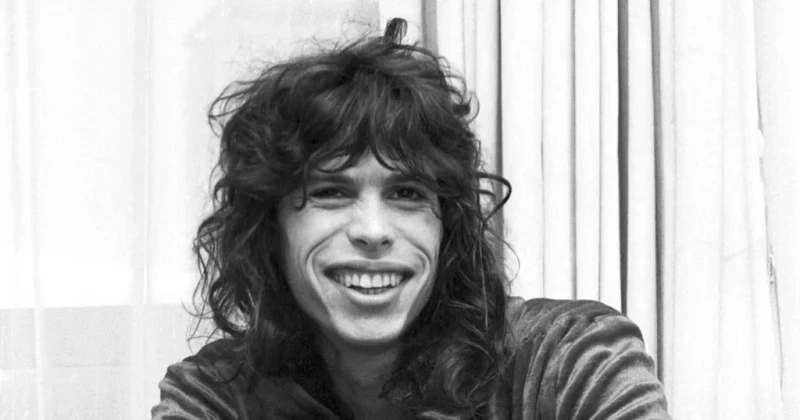
Tyler's first real taste of performing came in 1964, while he was still a student at Roosevelt High School in Yonkers. He joined a local band called the Strangeurs (later renamed Chain Reaction), eventually becoming their lead singer. The group actually opened for established acts like the Byrds and the Beach Boys, which for a teenager in the mid-1960s was no small thing. Those early gigs didn't pay much, but they gave Tyler something money can't buy: the hunger to do this for real.
After getting expelled from Roosevelt over drug use, Tyler transferred to Quintano's School for Young Professionals in Manhattan, then made a decisive move to Boston in the late 1960s. It was there, in that city's cramped music scene, that he crossed paths with guitarist Joe Perry and bassist Tom Hamilton. Together with drummer Joey Kramer and rhythm guitarist Ray Tabano, they formed Aerosmith in 1970. The band played their first show that same year, crammed into a tiny venue, splitting whatever door money came in. Real money was still a long way off.
How Steven Tyler's Career Took Off in the 1970s
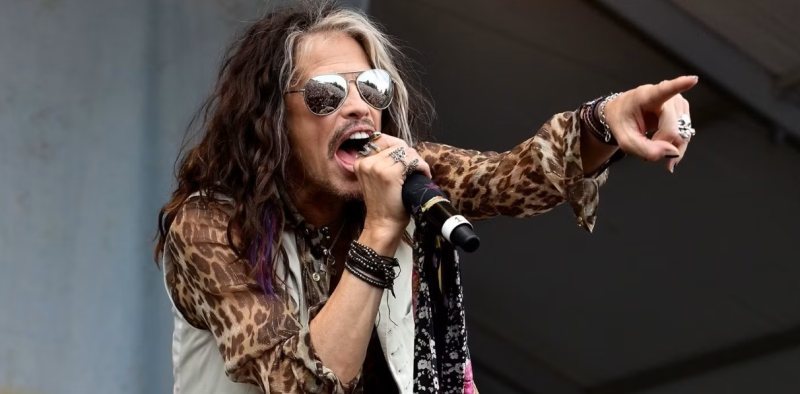
Aerosmith signed with Columbia Records in 1972, a deal that marked the official beginning of Tyler's professional music career. Their self-titled debut album landed in 1973, featuring "Dream On," a song that barely cracked the charts at the time but later became one of the most recognizable rock ballads ever recorded. The real breakthrough came with Toys in the Attic in 1975, which produced "Sweet Emotion" and "Walk This Way," two songs that pushed the band into the mainstream top 40. The follow-up album Rocks in 1976 cemented their status as bona fide rock stars.
By the mid-1970s, Aerosmith was headlining arenas and pulling in serious tour revenue. Tyler had gone from splitting door money at Boston clubs to earning real paychecks from one of the hottest bands on the planet. But the money also funded a lifestyle that nearly destroyed everything: drug and alcohol use spiraled throughout the late 1970s and early 1980s, leading to missed tours, creative collapse, and Joe Perry's temporary departure from the band.
Peak Success: Steven Tyler's $150M Rise Through the 1990s
The comeback started in 1986 when Tyler completed drug rehabilitation, and Aerosmith joined Run-D.M.C. for a remake of "Walk This Way," a track that hit the top 5 on the Billboard Hot 100 and introduced the band to an entirely new generation. From there, the machine rebuilt itself fast. Permanent Vacation (1987) sold 5 million copies in the US alone. Pump (1989) gave them their first Grammy for "Janie's Got a Gun." Get a Grip (1993) added two more Grammys for "Livin' on the Edge" and "Crazy."
Then came 1998 and "I Don't Want to Miss a Thing," from the Armageddon soundtrack, which climbed to number 1 on the Billboard Hot 100. It became the biggest commercial moment of Tyler's career and transformed his earning potential at a time when MTV, radio, and global touring were all firing at once. Steven Tyler net worth estimates from this era aren't publicly broken out, but Aerosmith was pulling in tens of millions per tour cycle by the late 1990s. The band's nine-times platinum Nine Lives (1997) debuted at number 1 on the Billboard 200, confirming they were still a genuine commercial force.
Beyond the music, Tyler also pursued business ventures. In 2007, he co-launched Dirico Motorcycles alongside inventor Mark Dirico, adding another revenue stream to his growing portfolio. His memoir Does the Noise in My Head Bother You?, published in 2011, became a bestseller. And from 2011 to 2012, he served as a judge on American Idol alongside Jennifer Lopez and Randy Jackson, reportedly earning $10 million per season for two seasons.
Steven Tyler Net Worth in 2025: What He Earns Now
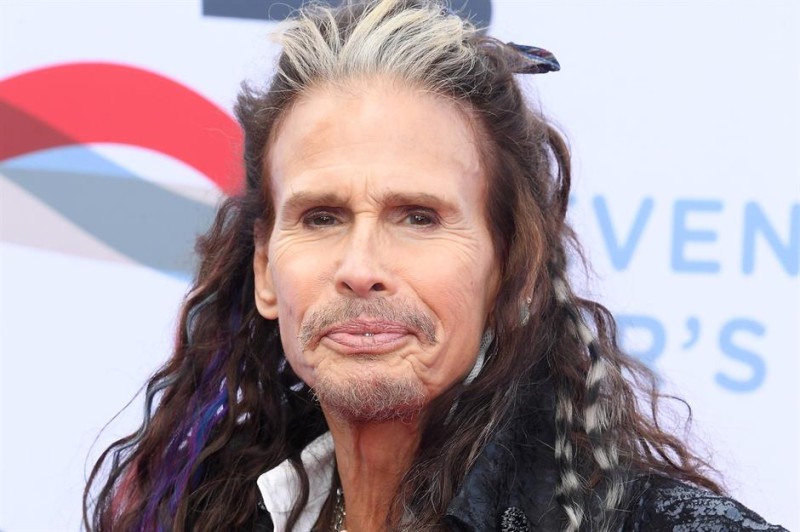
As of 2025, Steven Tyler net worth is consistently estimated at around $150 million, with some sources placing the figure closer to $200 million when accounting for all assets. His annual income is estimated at over $15 million, with monthly earnings exceeding $2 million, even without active touring. That revenue flows from multiple streams: ongoing royalties from Aerosmith's catalog of 15 studio albums (11 of which went Platinum or multi-Platinum in the US), digital streaming and licensing deals, brand endorsements, and his fashion line, The Steven Tyler Collection.
On the real estate side, Tyler owns a property in Maui, Hawaii, acquired for $4.8 million, and has previously held a Los Angeles mansion (sold for $3.5 million in 2019), along with properties in Boston and Las Vegas. His classic car collection adds further value to his holdings. Aerosmith's Las Vegas residency from 2019 to 2022 generated significant income before the band's farewell tour was cut short in 2023 after Tyler suffered a vocal cord injury. Despite stepping back from touring, his catalog continues to generate substantial passive income year after year.
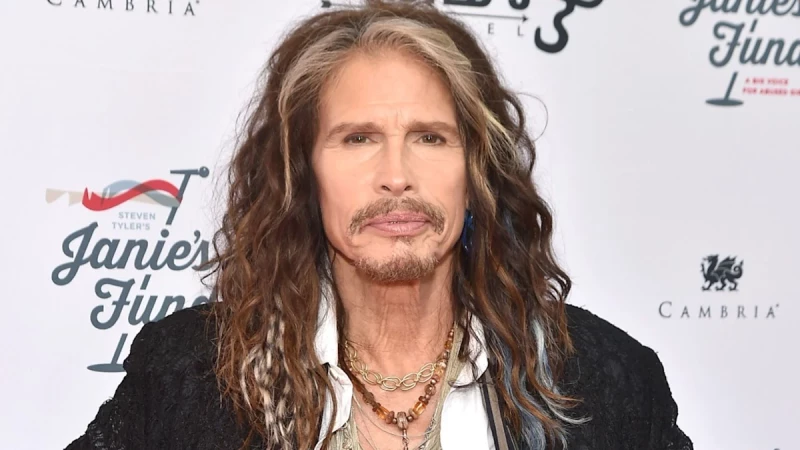
Tyler also co-founded Janie's Fund, a charitable organization dedicated to girls who have experienced abuse or neglect. It's not a revenue source, obviously, but it speaks to how Tyler has evolved his public identity beyond just rock stardom, which in turn keeps his brand relevant and commercially viable.
Steven Tyler's Philosophy on Success
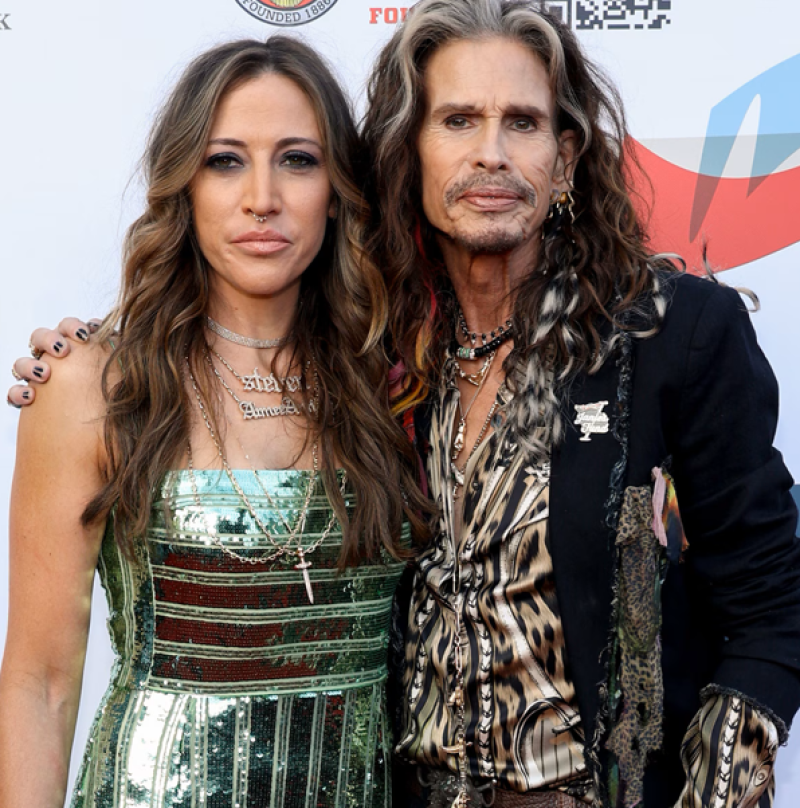
Tyler has been unusually candid over the decades about what it actually takes to build something lasting, especially when you're also battling yourself. A few core ideas come through consistently in interviews, his memoir, and his public statements:
- Commit to your identity, not a trend. Tyler never chased whatever was commercially convenient. He played hard rock when it was unfashionable, came back from addiction when no one expected it, and then put out a country solo album in 2016 because he wanted to. Authenticity, he argues, is what keeps people coming back.
- Survive your lowest moments. Tyler reportedly blew through roughly $20 million on addiction over the course of his career. He has spoken openly about how close he came to losing everything. His view: the crash is part of the story, not the end of it.
- Reinvention is not weakness. From the Run-D.M.C. collaboration in 1986 to American Idol in 2011, Tyler has shown a repeated willingness to step outside his comfort zone. He treats reinvention as a creative tool, not a sign of desperation.
- Protect what you create. Tyler and Joe Perry received the ASCAP Founders Award in 2013 and were inducted into the Songwriters Hall of Fame. Owning his songwriting contributions and understanding their long-term value has been central to building and maintaining his net worth.
- Give back with intention. Tyler has said that Janie's Fund is among the most meaningful projects of his life. His belief is that real success includes using your platform to do something that matters beyond your own career.
Tyler was inducted into the Rock and Roll Hall of Fame with Aerosmith in 2001, placed on Rolling Stone's list of the 100 greatest singers of all time, and won four Grammy Awards across his career. Those aren't just accolades. They're the receipts for a career built on relentless output over more than five decades, a career that, even in its current quieter phase, continues to generate wealth at a scale most artists never approach.
 Sergey Diakov