Artem Voloskovets
Ten million barrels sounds meaningful in a political speech. In global oil markets, it barely matters. That is precisely why Marco Rubio’s latest comments on Venezuelan crude deserve attention.
Marco Rubio’s latest remarks about Venezuelan crude shipments matter less because of the volume itself and more because of what they imply: Washington is quietly reopening part of its energy relationship with Caracas. Venezuela existed in U.S. policy discussions primarily as a sanctions issue. That framework now appears to be shifting toward something more pragmatic: selective reintegration into Western energy flows.
Chevron licenses, controlled sanctions flexibility and renewed operational access all point in the same direction. Washington increasingly seems less focused on fully isolating Venezuelan crude and more interested in managing how those barrels gradually return to the market.
The Signal Matters More Than the Cargoes
Oil markets rarely price today’s shipments. They price future supply pathways. The real significance behind Rubio’s comments is not whether several million barrels reached the Gulf Coast. It is whether the United States is quietly preparing for a broader normalization of Venezuelan crude access over the coming years.
That possibility matters because Venezuela still holds the world’s largest proven oil reserves despite suffering one of the deepest economic collapses in modern Latin American history.
Two decades ago, Venezuelan production exceeded 3 million barrels per day. Years of sanctions, underinvestment, infrastructure decay and political instability later pushed output below one million barrels. Analysts increasingly view Venezuela’s recovery not as a short-term sanctions story, but as a long-cycle infrastructure rebuilding process.
The Economic Collapse Behind the Oil Decline
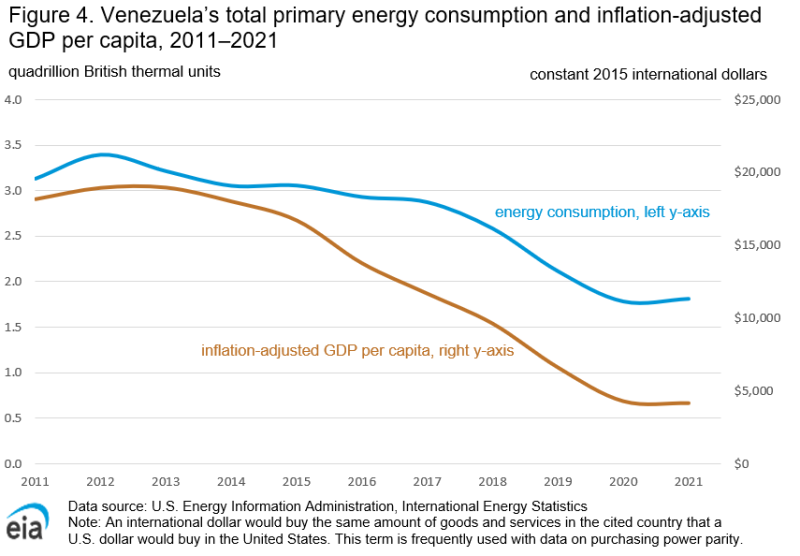
EIA data illustrates how Venezuela’s economic collapse extended far beyond oil exports alone. The simultaneous decline in energy consumption and inflation-adjusted GDP shows how deeply industrial capacity deteriorated across the broader economy.
That distinction matters because Venezuela’s challenge today is not finding buyers for crude. Global demand for heavy barrels still exists. The problem is rebuilding production capacity after years of structural erosion. The country’s oil infrastructure now faces problems that sanctions relief alone cannot solve:
- aging fields,
- damaged refining systems,
- unreliable power infrastructure,
- and chronic underinvestment.
Why U.S. Refineries Still Care About Venezuelan Crude
Venezuelan oil still occupies a unique place inside the American refining system. Many Gulf Coast refineries were originally optimized for heavy Latin American crude grades. Replacing those barrels entirely is possible, but often operationally inefficient and more expensive.
That gives Venezuelan crude strategic relevance beyond its current export volumes.
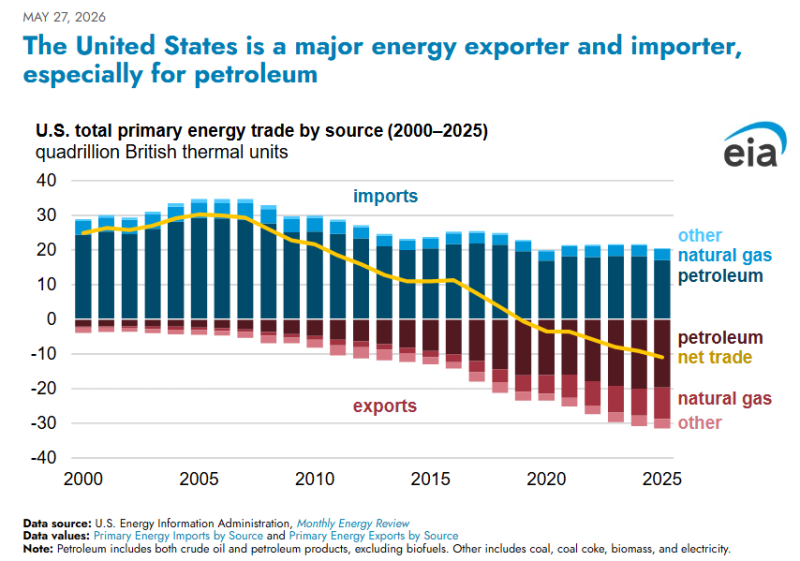
The broader U.S. energy trade picture helps explain why Washington’s posture toward Venezuelan supply may be evolving. While the United States became a major net petroleum exporter during the shale era, parts of the refining system still benefit from access to heavy imported crude that domestic shale production cannot fully replace.
America’s energy independence story was always more complicated than simple import reductions. U.S. shale transformed export capacity, but refinery economics still favor certain foreign heavy grades - particularly along the Gulf Coast.
Venezuela Is Slowly Moving Back Into Western Oil Flows
During the sanctions years, China became one of the primary destinations for Venezuelan crude exports. Any long-term normalization between Washington and Caracas would gradually redirect some of those flows back toward North America and Western commodity traders.
Chevron remains central to that process. The company has effectively become the main commercial bridge reconnecting Venezuelan production with Western markets. Future export growth will depend far less on political rhetoric than on whether international operators receive stable long-term access to maintain fields, repair infrastructure and expand production. That process will not happen quickly.
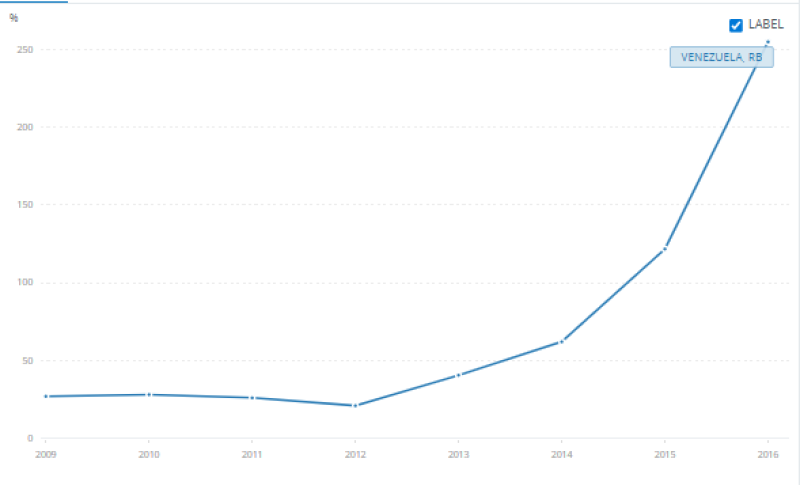
Even modest recovery requires enormous capital investment after years of operational decline. Venezuela’s oil sector is no longer dealing with a temporary disruption. It is rebuilding from structural degradation accumulated over more than a decade. Ten million barrels will not move Brent.
But the shipments suggest something larger may already be underway: Venezuela is slowly re-entering the global oil system after years of isolation - not as a geopolitical symbol, but as a practical component of U.S. energy strategy.
 Artem Voloskovets