Alex Dudov

Steve Wozniak is one of the most unusual figures in tech history. He co-founded Apple, designed its first computers almost entirely on his own, and walked away from what would now be a $294 billion fortune - not because he had to, but because he genuinely didn't care about the money. Today, his net worth sits somewhere between $100 million and $140 million. That gap between what he has and what he could have had is one of the most fascinating stories in Silicon Valley.
How Woz Made His First Money - Blue Boxes and Breakout
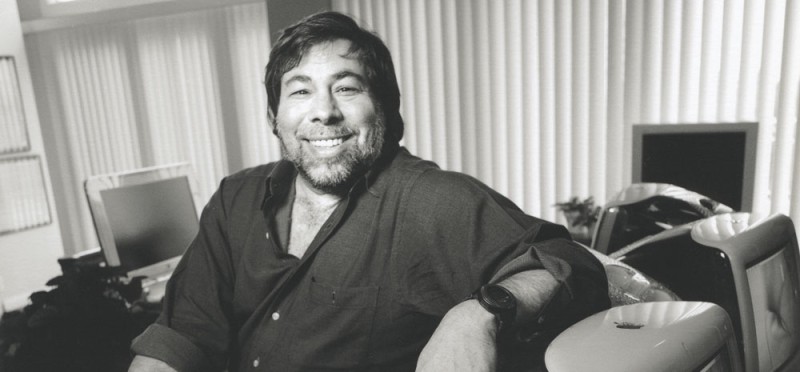
Wozniak's earliest hustle had nothing to do with personal computers. In the early 1970s, he started building "blue boxes" - small devices that let you make long-distance phone calls for free. Steve Jobs handled the sales side, and together they sold around 200 of them at $150 a piece, splitting everything down the middle.
Around the same time, Jobs landed a gig at Atari and pulled Wozniak into a side project - designing a circuit board for an arcade game called Breakout. They agreed to share whatever Atari paid. What Jobs didn't tell him was that Atari had paid a $5,000 bonus on top of the base fee. Wozniak only found out about it a decade later. He said if Jobs had just told him and said he needed the money, he would have handed it over without a second thought.
His actual day job at the time was at Hewlett-Packard. He pitched his early computer designs to HP multiple times and got turned down every single time. That rejection is part of why Apple happened at all.
Career Rise and the Apple I That Changed Everything
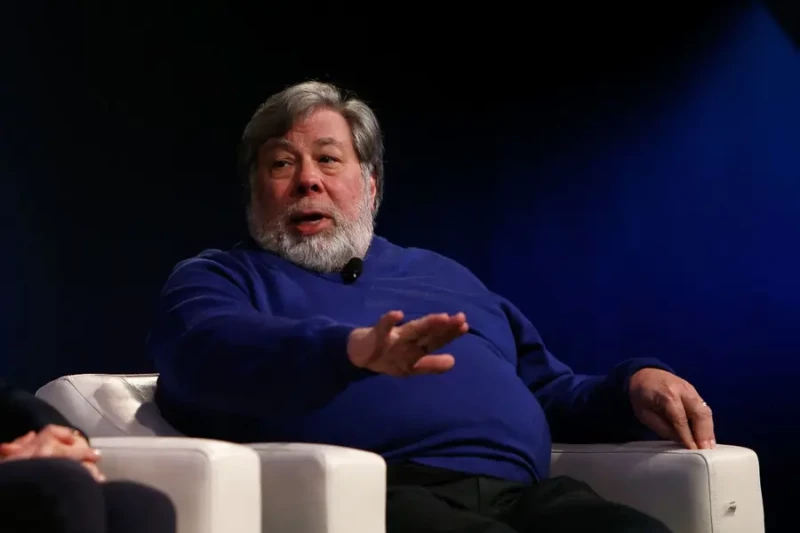
By 1975, Wozniak was spending his evenings designing what would become the Apple I - not to start a company, but mostly to impress other engineers at the Homebrew Computer Club in Palo Alto. He was 25 years old and had just built the first machine in history capable of displaying characters on a regular TV screen from a home computer.
The Apple I sold for $666.66 per unit. A local computer shop called the Byte Shop placed an order for 50 fully assembled machines at $500 each, which pushed Wozniak and Jobs to set up production in the Jobs family garage in Los Altos. Everything was hand-built.
The Apple II that followed turned the garage project into a real company. Wozniak designed it almost entirely himself - the hardware, the software, the architecture. Jobs handled the business side, but the engineering was Wozniak's work front to back.
Steve Wozniak Net Worth at Its Peak - $142M on IPO Day
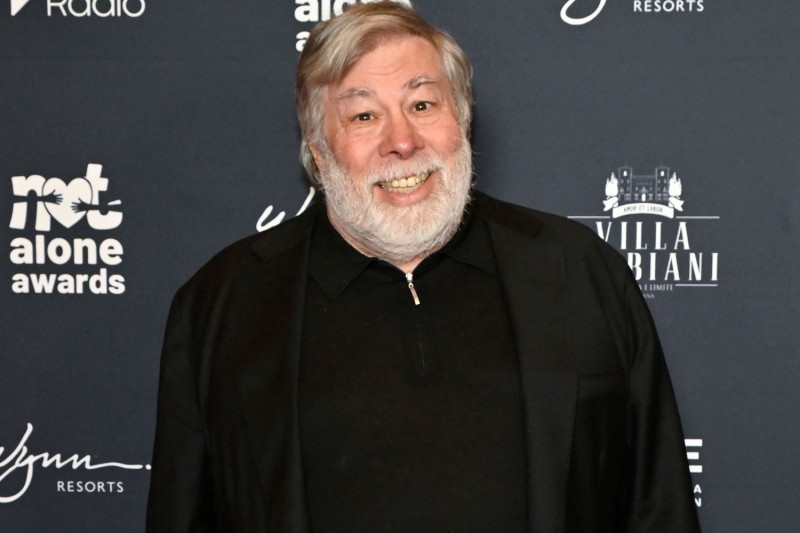
When Apple went public in 1980, Wozniak owned 7.9% of the company. With Apple's market cap hitting $1.8 billion at IPO, that stake was worth roughly $142 million on paper - an extraordinary number for someone who had spent the previous few years building computers in a garage.
But he didn't hold on. Before leaving Apple in 1985, he gave $10 million worth of his shares to early employees who had been left out of the equity pool - a move Jobs refused to match. Then he sold the rest.
If he had kept his original 1980 stake intact, it would be worth somewhere north of $294 billion today, based on Apple's current valuation. Some estimates put the figure even higher - over $321 billion as of early 2025. That would have made him the second-richest person on the planet, ahead of almost everyone except Elon Musk. Instead, he walked away and never looked back.
What Is Steve Wozniak Net Worth in 2026?

Most reliable sources place Wozniak's current net worth somewhere between $100 million and $140 million. His money comes from several directions at once.
He still technically works for Apple - he's held the ceremonial title of "Fellow" for decades and reportedly remains the only person who has received a paycheck from the company every single week since it was founded. After taxes, that works out to around $50 a week. He's said he keeps the arrangement out of loyalty, not necessity.
His real income these days comes from public speaking, where he commands serious fees at tech conferences and university events around the world. He also co-founded Privateer Space, a satellite data startup, and continues to earn royalties from his 2006 autobiography iWoz. Patents and intellectual property from his early computing work add another layer to the picture.
In 2025 alone, he headlined Tech Week in Grand Rapids and spoke at Cal Poly's Distinguished Speaker Series, where he pushed hard on the need for transparency in AI development.
Wozniak's Core Principles on How to Build Real Success

Across decades of talks, interviews, and public appearances, Wozniak's philosophy on what actually makes a person successful has stayed remarkably consistent. It has nothing to do with valuations or market caps.
- Build things because you love building them. Wozniak designed the Apple I to impress fellow hobbyists, not to get rich. The money was never the point.
- Define success on your own terms. He has said he measures his life by laughter, relationships, and contribution - not by net worth or status.
- Optimize for energy, not just income. He left Apple when it stopped being fun, even though staying would have been worth billions. He had no regrets about that.
- Use financial freedom to speak honestly. Independence meant he never had to bite his tongue. He criticized Elon Musk and the Trump administration's approach to government in 2025 without any apparent concern for the consequences.
- Give generously and early. He funded museums and arts organizations in San Jose and gave away significant Apple equity to employees who had been overlooked.
The man who could have been the second-richest person on Earth chose a $140 million life instead - and by every account, he considers that the better deal.
 Alex Dudov