Sergey Diakov

Jimmy Kimmel didn't land in late night because of one lucky break. He got there the slow way — local radio gigs, a few firings, a cult cable show, and eventually a network desk he's held for over 20 years. The money followed the consistency, not the other way around.
From Brooklyn to the Radio Booth: Kimmel's First Jobs and Early Hustle
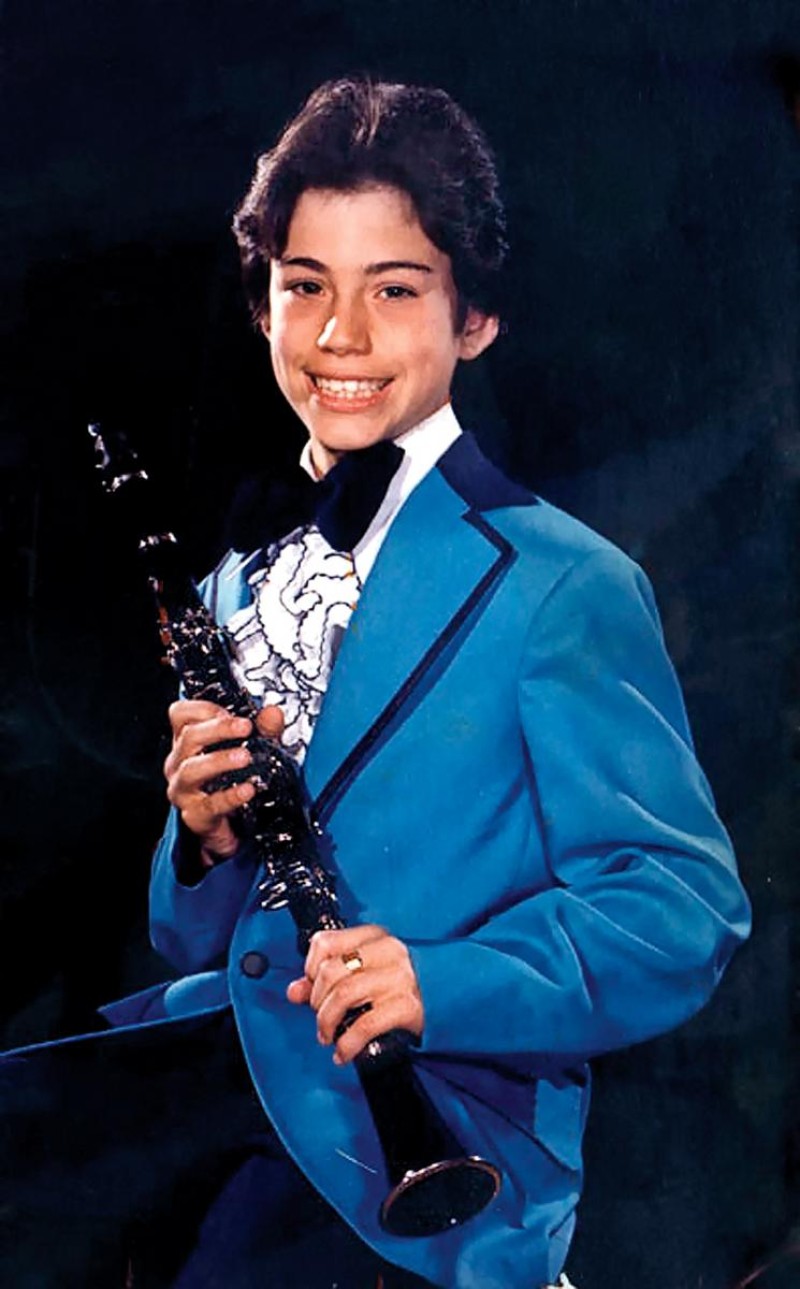
Jimmy Kimmel was born on November 13, 1967, in Brooklyn, New York — the eldest of three kids in a working-class family. When he was nine, they moved to Las Vegas, which probably did more for his comedic instincts than any classroom ever could. He eventually enrolled at the University of Nevada, Las Vegas, then transferred to Arizona State University. He never graduated from either.
What he did instead was get on the radio. Inspired by David Letterman's early career path, Kimmel started working at a station while still in high school. By college he was already treating it like a job, not a hobby. His first real paid gig came as a morning co-host on The Me and Him Show on KZOK-FM in Seattle — a show that ended in 1990 when he and his co-host were fired for pulling too many expensive on-air stunts.
Most people would've regrouped quietly. Kimmel moved to Palm Springs and started his own show from scratch, recruiting a then-unknown Carson Daly as his intern. That kind of move — stubborn, scrappy, slightly chaotic — became something of a personal signature.
Cable TV, Comedy Central, and the Rise to National Fame
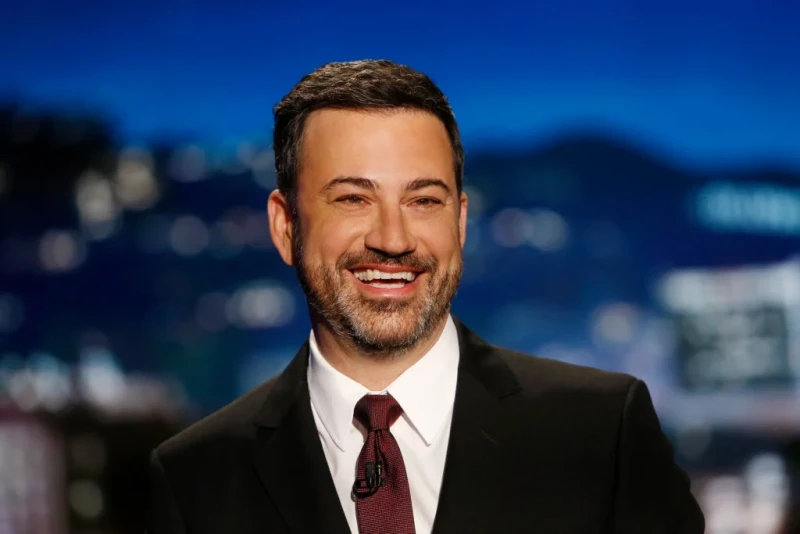
By the late 1990s, Kimmel had relocated to Los Angeles and was starting to get noticed outside local markets. He joined Win Ben Stein's Money on Comedy Central as a writer and on-air personality, a role that put his comedic timing in front of a national audience for the first time. The show earned him a Daytime Emmy.
Then came The Man Show, which he co-created and co-hosted with Adam Carolla starting in 1999. It was deliberately provocative, frequently criticized, and genuinely popular. It also did exactly what it needed to do — it made Kimmel a known quantity in Hollywood and gave him the credibility to pitch something bigger.
Jimmy Kimmel Live! and the $50 Million Jimmy Kimmel Net Worth

In 2003, ABC handed Kimmel his own late-night show. The early years were rough — he was going up against Conan O'Brien and Jay Leno with a format that hadn't quite found its footing. But Kimmel didn't pivot or panic. He refined the show slowly, leaning into political satire, celebrity interviews, and recurring bits like "Mean Tweets" and "Lie Witness News" that regularly went viral before "going viral" was even the standard metric of success.
It worked. By the 2010s, Jimmy Kimmel Live! had become a genuine cultural fixture, not just a show that filled a time slot. In 2018, Time magazine named him one of the 100 Most Influential People in the world.
The financial picture reflects all of that. Forbes estimates his annual earnings at $16 million, ranking him among the top 25 highest-paid TV hosts. His ABC contract, which runs through mid-2026, covers the late-night show plus the celebrity version of Who Wants To Be A Millionaire and other network projects. When you add hosting fees, production credits, and endorsements, the Jimmy Kimmel net worth of $50 million starts to look less like a windfall and more like an inevitable result.
Awards Shows, Side Ventures, and What Actually Adds Up

Kimmel has hosted the Academy Awards four times — 2017, 2018, 2023, and 2024 — and the Primetime Emmy Awards three times. He's also hosted the American Music Awards five years in a row. These aren't just prestige gigs; each major awards show appearance brings in over $1 million on top of his regular salary.
Behind the camera, he's been just as active. His production company, Kimmelot Productions, has developed content for television and digital platforms. He co-produced Crank Yankers and The Andy Milonakis Show, and even wrote a children's book — The Serious Goose — that became a bestseller. In 2013, he received a star on the Hollywood Walk of Fame at 6840 Hollywood Boulevard.
None of these individually explain the $50 million. Together, they do.
How Kimmel Thinks About Building a Career

Kimmel rarely gives motivational speeches, but his career tells a pretty clear story. A few things stand out:
- Start where you are. He began on local radio, got fired, and rebuilt from a smaller market. There was no waiting for the right opportunity — he manufactured one.
- Longevity beats virality. Two decades at one desk turned a talk show into an institution. That kind of staying power is rare, and it compounds.
- Own the product, not just the spotlight. Being both host and executive producer gave him leverage that performers without backend deals simply don't have.
- Keep your range wide. Voice acting, books, award shows, production — none of it diluted his brand. It deepened it.
- Controversy is survivable. Irrelevance isn't. His career has taken real hits, including a network suspension in 2025. What it hasn't suffered is becoming forgettable.
Jimmy Kimmel's net worth of $50 million didn't come from a single moment. It came from showing up for 20-plus years, adapting without losing his voice, and building something that outlasted every trend around it.
 Sergey Diakov