Sergey Diakov

- Born in a Bomb Shelter: The Early Life Behind the Jerry Springer Story
- First Jobs and First Dollars: Jerry Springer's Career Before the Camera
- The Jerry Springer Show and the $8 Million Salary at His Peak
- Jerry Springer Net Worth: Where the $60 Million Actually Came From
- What Made Jerry Springer Successful: His Core Principles
Not many people go from a law firm to city hall to the anchor desk to a nationally syndicated talk show - but that is essentially what Jerry Springer did. His career was never a straight line, and that is probably what made him so hard to ignore. By the time The Jerry Springer Show wrapped its final episode in 2018, he had spent the better part of 30 years as one of the most recognizable faces on American television and had quietly accumulated a fortune most people never associated with him.
Born in a Bomb Shelter: The Early Life Behind the Jerry Springer Story
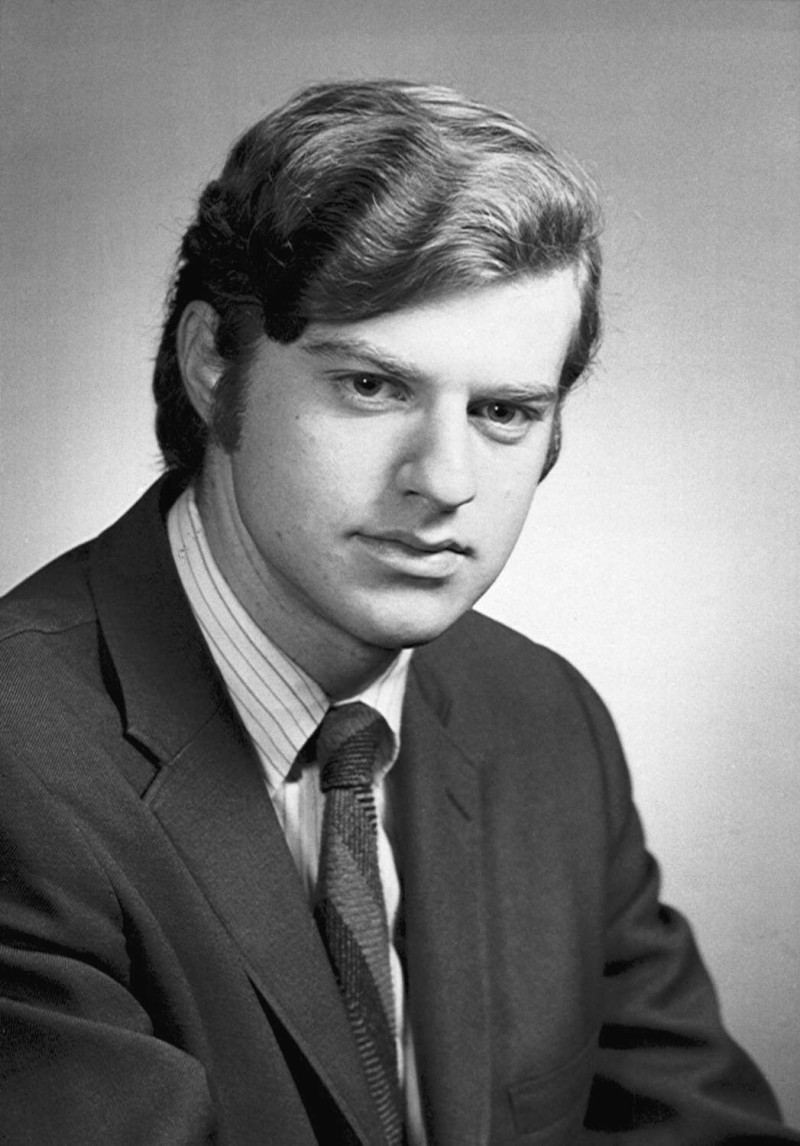
Gerald Norman Springer came into the world on February 13, 1944, in a London Underground station. His parents were Jewish refugees who had fled Nazi Germany, and on the night he was born, the Highgate station was being used as a shelter from German air raids. It was an extraordinary beginning for someone who would later become a pop culture institution. The war left deep marks on the family - his maternal grandmother died at Chelmno extermination camp and his paternal grandmother at Theresienstadt.
In 1949, the family emigrated to the United States and settled in Queens, New York. Springer grew up in Kew Gardens, attended Forest Hills High School, and developed an early interest in politics. He earned a political science degree from Tulane University in 1965 - while working at the campus radio station on the side - and completed a law degree at Northwestern University in 1968.
First Jobs and First Dollars: Jerry Springer's Career Before the Camera
After graduating from Northwestern, Springer joined the Cincinnati law firm Frost & Jacobs. He did not stay behind a desk for long. In 1968, he became a campaign adviser to Senator Robert F. Kennedy during the presidential race. After Kennedy's assassination, Springer returned to Cincinnati, continued practicing law, and threw himself into local politics.
He was elected to the Cincinnati City Council in 1971. Three years later, in 1974, he resigned after admitting he had solicited a prostitute and paid by check - a scandal that would have ended most political careers. Instead, his willingness to come clean worked in his favor. He ran again in 1975, won by a landslide, and by 1977 had been elected the 56th Mayor of Cincinnati, serving through 1978.
While still in office, Springer began recording political commentary segments called The Springer Memorandum for local radio station WEBN-FM. The response was strong enough to attract attention from television. WLWT, Cincinnati's NBC affiliate, brought him on as a political reporter and eventually primary anchor - a role he held for roughly ten years and during which he won 10 local Emmy Awards. He developed his signature sign-off, "Take care of yourself and each other," during this period.
The Jerry Springer Show and the $8 Million Salary at His Peak
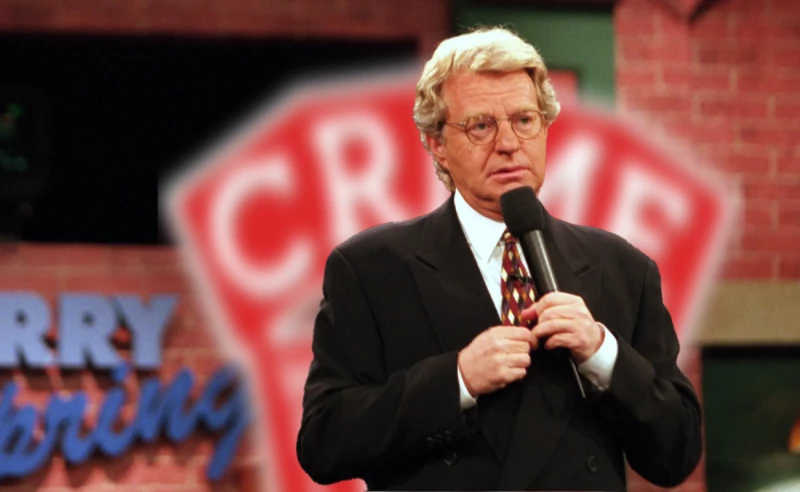
The Jerry Springer Show launched on September 30, 1991, initially as a politically oriented talk program. Early guests included Jesse Jackson and Oliver North. The show struggled to find an audience in its first few years and was not considered a success.
That changed in early 1994, when Springer and producer Richard Dominick redesigned the format around tabloid confrontations - guests ambushed by family members with secrets, staged shouting matches, and physical altercations on stage. The pivot worked. By 1998, the show was beating The Oprah Winfrey Show in multiple cities and drawing roughly 8 million viewers. It became a genuine cultural phenomenon, running for 27 seasons before airing its final episode on July 26, 2018.
At the height of its popularity, Springer was earning an annual salary of $8 million. The show taped in Chicago from 1991 to 2009, then moved to Stamford, Connecticut, for its final years. Jerry Springer net worth grew substantially during this period, driven primarily by syndication deals and the show's massive reach.
Jerry Springer Net Worth: Where the $60 Million Actually Came From
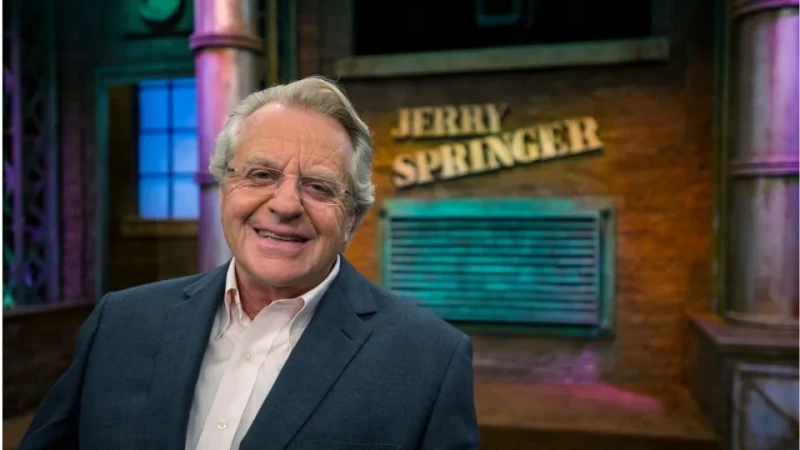
The bulk of the $60 million came from The Jerry Springer Show, but Springer kept his income diversified across multiple projects throughout his career:
- The Jerry Springer Show (1991-2018) - 27 seasons of syndicated television, salary peaking at $8 million per year
- Executive producer of The Steve Wilkos Show - a spinoff that ran for over 13 seasons, generating steady passive income
- America's Got Talent - hosted Seasons 2 and 3 on NBC
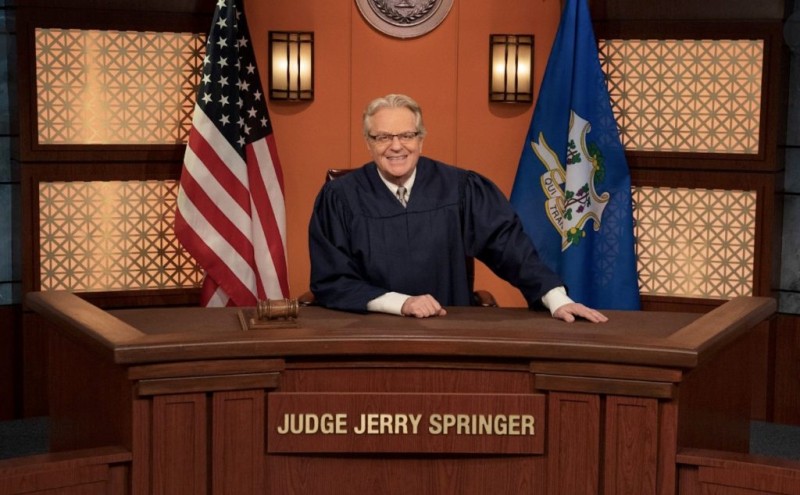
- Judge Jerry (2019-2022) - three seasons of a syndicated court show, drawing on his actual law degree from Northwestern
- Film and TV appearances - cameos in Austin Powers: The Spy Who Shagged Me, The Simpsons, The X-Files, Sabrina the Teenage Witch, and the film Ringmaster (1998)
- Stage work - played Billy Flynn in the West End production of Chicago in London, and later made his Broadway debut in the same role
- UK television - guest-hosted ITV's This Morning, fronted UK versions of his show, and covered the 2016 US election for Good Morning Britain
- Dancing with the Stars (2008) and The Masked Singer (2022)
Springer died on April 27, 2023, at the age of 79, months after being diagnosed with pancreatic cancer. His net worth at the time of his death was confirmed at $60 million by the Netflix documentary Jerry Springer: Fights, Camera, Action, released in January 2025.
What Made Jerry Springer Successful: His Core Principles
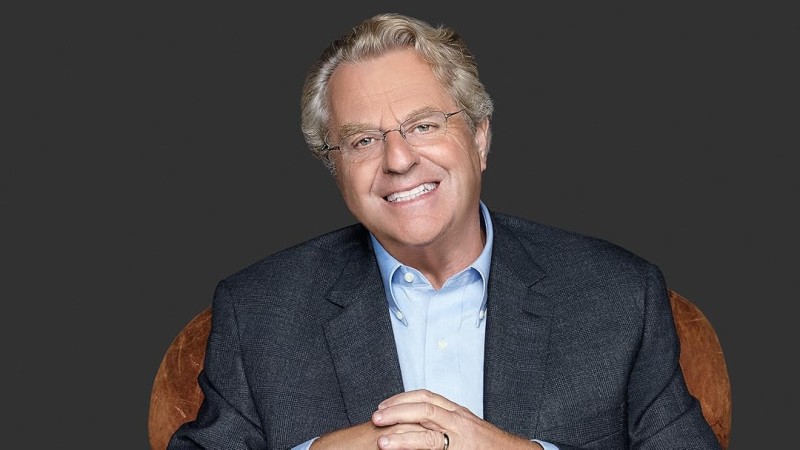
Springer's path from wartime London to a $60 million net worth did not follow any obvious script. A few things, though, ran consistently through his career and shaped the way he operated.
- He owned his mistakes out loud. The 1974 scandal could have ended him. Instead, his decision to come forward honestly rebuilt his political base in less than a year and established a pattern he carried throughout his public life.
- He followed the audience without apology. The 1994 format shift was a pure commercial decision, and Springer never pretended otherwise. He understood that viewer attention was the actual product, and he adjusted accordingly.
- He never treated any one career as the final one. Lawyer, politician, news anchor, talk show host, executive producer, judge, stage actor - each reinvention was deliberate and kept him relevant well into his 70s.
- He maintained perspective on what he had built. Springer regularly joked that he had probably done some cultural damage with his show. That kind of self-awareness, delivered without defensiveness, earned him a kind of goodwill that more self-serious figures rarely manage.
- He stayed active as long as he was able. Shortly before his diagnosis, he was already discussing podcasts and political commentary as his next moves. The instinct to keep doing things, even in retirement, was genuine.
 Sergey Diakov