Sergey Diakov
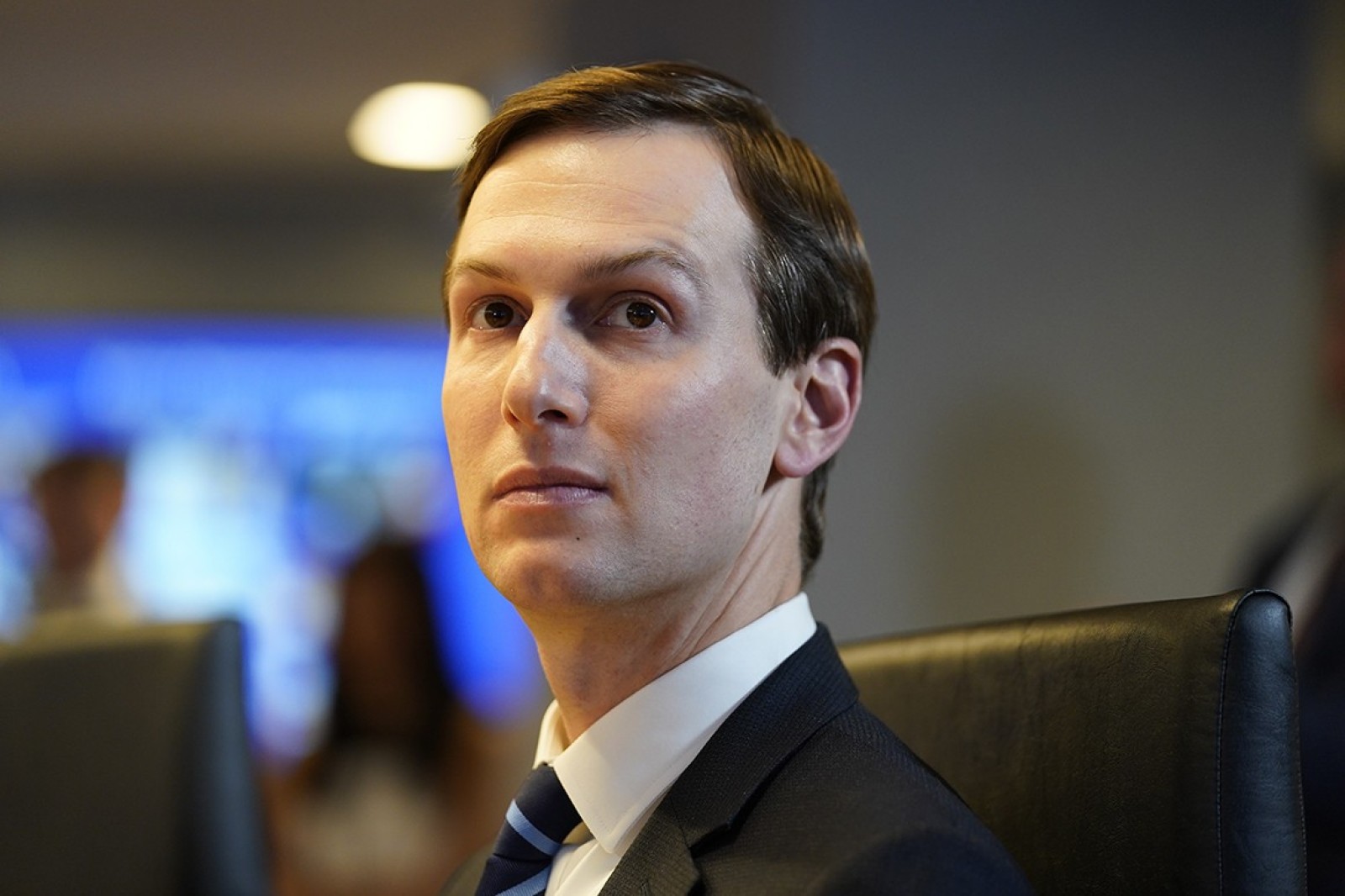
He made his first $20 million before most people land their first real job. And that was just the beginning. Jared Kushner has spent the past two decades quietly stacking one bet on top of another - real estate, media, politics, private equity - until the math finally got too big to ignore. In September 2025, Forbes put it in writing: Kushner is officially a billionaire. Here's how he got there.
How Kushner Made His First $20 Million Before Age 25
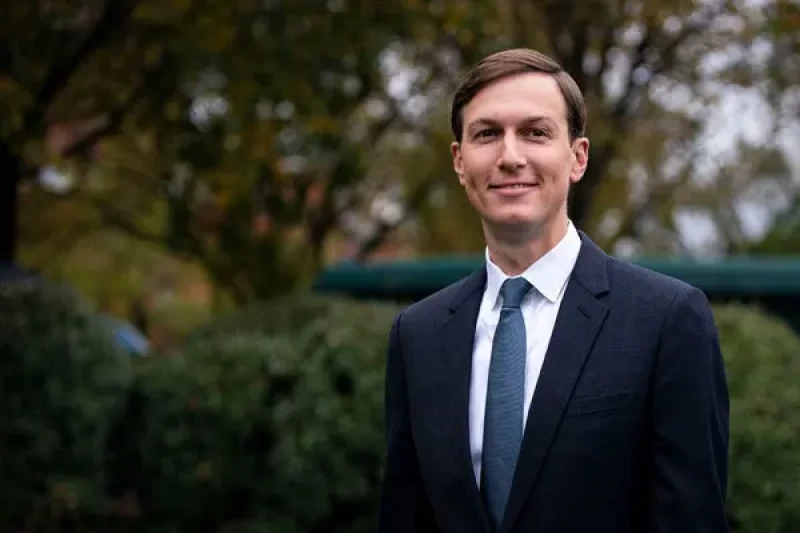
Jared Corey Kushner was born on January 10, 1981, in Livingston, New Jersey, into a family that already knew the real estate game well. His father Charles had built a substantial property business, and Jared absorbed that world early. While still studying at Harvard, he began investing through Somerville Building Associates, a division of the family's Kushner Companies. By the time he wound the venture down in 2005, he'd walked away with roughly $20 million in profit. Not bad for a college kid.
That wasn't a lucky break - it was the result of treating university as a business school in the most literal sense. He graduated in 2003 with a government degree, then kept going, earning a joint J.D.-M.B.A. from NYU Law and NYU Stern in 2007. Law plus business: a combination that would quietly underpin every move he made afterward. And right around that time, life threw him something harder to prepare for. His father Charles was convicted on 18 criminal charges - tax evasion, illegal campaign contributions, witness tampering. Jared was 24. He stepped up and took over the company.
Taking the Wheel: Kushner's Career Rise and Bold Bets
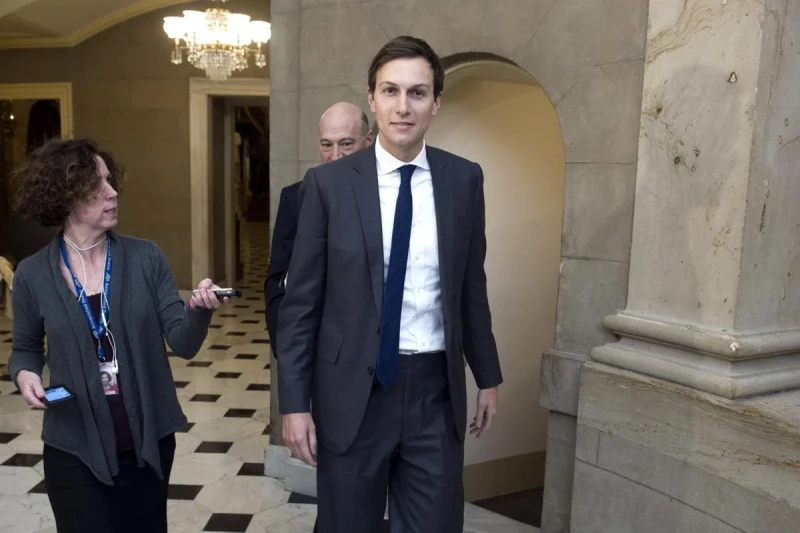
Most people at 24 are figuring out how to negotiate their salary. Kushner was running a multi-billion-dollar real estate operation. Under his leadership, Kushner Companies grew to manage over 25,000 apartments and commercial properties across the Northeast, eventually building a portfolio worth an estimated $7 billion. His own 20% stake in the firm is now valued at around $560 million.
His boldest early move came in 2007: the purchase of 666 Fifth Avenue in Midtown Manhattan for $1.8 billion - the most expensive single-property deal in U.S. history at the time. He put up just $50 million in equity and borrowed the remaining $1.75 billion, which meant he had to nearly double the building's rental income to keep the loan in check. It almost fell apart entirely, but a 2018 refinancing deal with Brookfield Properties rescued the asset. Meanwhile, in 2006 he'd bought The New York Observer for $10 million and turned the struggling print paper into a digital brand with nearly 600% web traffic growth over three years. Every investment seemed to follow the same pattern: buy something others have given up on, grind until it works.
The White House Years and Jared Kushner Net Worth Scrutiny

In January 2017, Kushner stepped back from his business life to serve as Senior Advisor to President Donald Trump - his father-in-law, after marrying Ivanka Trump in 2009. He worked on Middle East policy, helped broker the Abraham Accords between Israel and several Arab nations, and contributed to the USMCA trade negotiations. Financial disclosures from that period showed he and Ivanka held combined assets of between $240 million and $740 million. He was also earning $1.5 million annually from Westminster Management alone, a company overseeing 20,000 apartment units. And when he eventually sold his stake in real estate startup Cadre, the payout landed somewhere between $25 and $50 million.
It looked like a public service detour. It wasn't. The connections he built during those years - especially with Gulf state leaders - would become the foundation of his next, most lucrative chapter.
Affinity Partners: The $55 Billion Move That Made Kushner a Billionaire

Six months after leaving the White House, Kushner launched Affinity Partners in Miami. The firm's debut fundraise turned heads fast: Saudi Arabia's Public Investment Fund committed $2 billion almost immediately. Critics cried foul; Kushner kept building. By 2024, Affinity had generated $157 million in management fees since launch - $87 million of that from the Saudi government alone. In March 2025, assets under management hit $4.8 billion following new Gulf investment. Then in August 2025, Affinity bought an 8% stake in UK lender OakNorth. And in September 2025, the firm joined Saudi Arabia's PIF and Silver Lake in a $55 billion acquisition of Electronic Arts - the largest leveraged buyout ever recorded.
That same month, Forbes officially named Kushner a billionaire. Jared Kushner net worth crossed $1 billion, up from $900 million in 2024. On top of the firm's assets, he holds approximately $150 million in cash and investments, a $25 million art collection, and a $24 million home in Surfside, Florida. His wealth has roughly tripled since 2017, and the pace isn't slowing.
Kushner's Key Ideas on How to Build Real Success
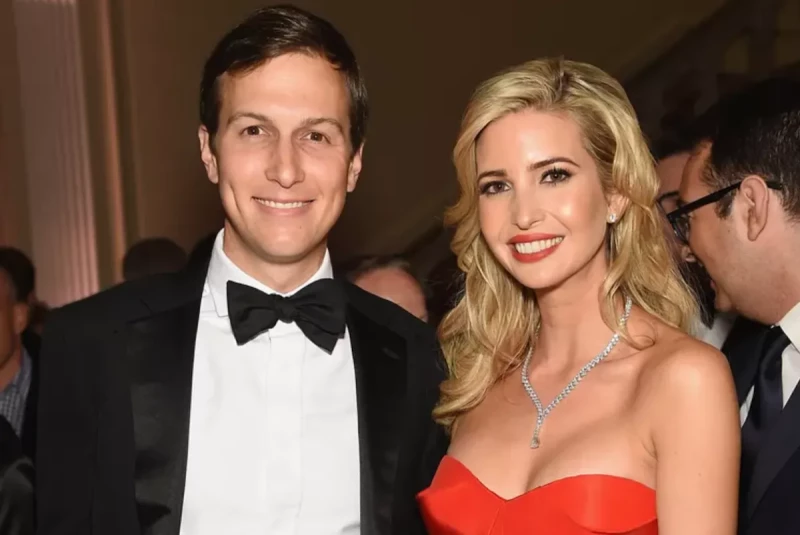
Kushner doesn't do TED talks or post motivational content. His philosophy shows up in his track record instead. A few things stand out consistently. He treats relationships as assets with a long shelf life - the trust he built with Middle Eastern leaders during the Abraham Accords years eventually unlocked billions in private equity capital. He takes asymmetric risks: borrow big, put up little equity, and control something much larger than your own cash would allow. He diversifies early and often - apartments, newspapers, tech startups, sovereign wealth deals - so no single sector can sink him. And he operates with a low profile, letting the outcomes speak rather than the press releases.
Whatever you think of his politics or his connections, the numbers tell a consistent story. Jared Kushner net worth didn't appear overnight - it was built deal by deal, starting with $20 million while he was still in school, through a White House tenure that reshaped his network, and into a private equity empire that now touches everything from Miami real estate to Saudi Arabia's gaming ambitions. The man moves quietly. But he moves far.
 Sergey Diakov