Sergey Diakov
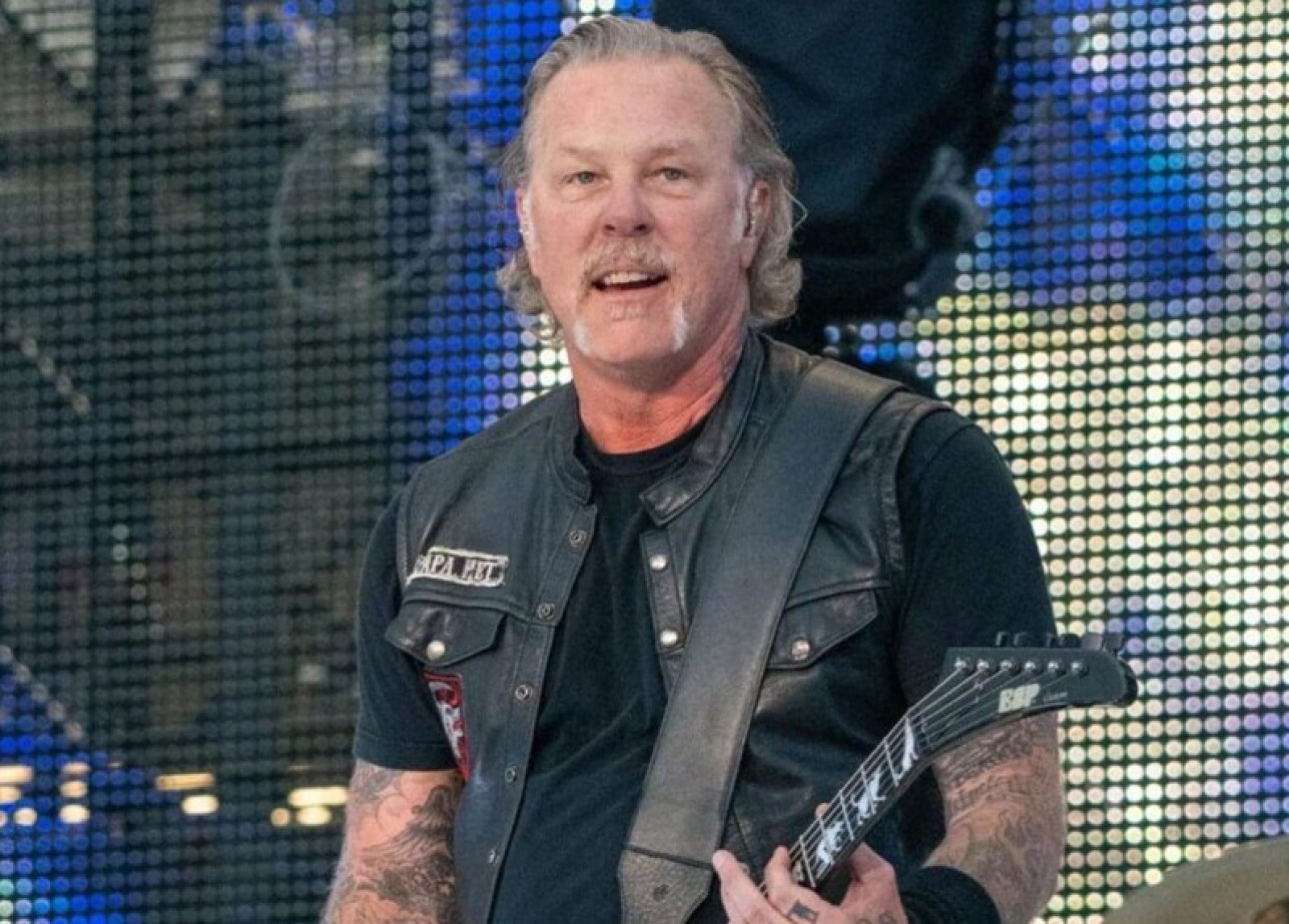
James Hetfield didn't grow up with much. Born on August 3, 1963, in Downey, California, he was raised in a strict Christian Scientist household where modern medicine was off-limits. His mother was a light opera singer, his father drove trucks for a living. When James was 16, his mother died of cancer - untreated, because of the family's religious beliefs. That grief never really left him. Years later, it would surface in some of Metallica's most emotionally charged songs.
James Hetfield's First Steps in Music - and His First Earnings
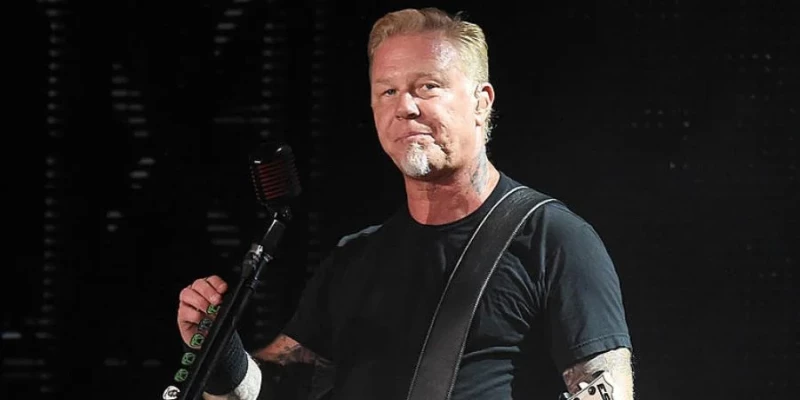
He started piano at nine, dabbled in drums, and by 14 had fallen completely for the guitar. High school brought his first bands - Phantom Lord, then Leather Charm, Metallica's short-lived predecessor. None of it paid anything worth mentioning. These were years of borrowed gear, small venues, and playing for crowds that barely filled a room. But the foundation was being laid.
In October 1981, Hetfield answered a classified ad in a Los Angeles newspaper placed by a young Danish drummer named Lars Ulrich. They clicked immediately. Metallica was born. The early years weren't glamorous - bar gigs, tight budgets, a constantly shifting lineup. They barely scraped together enough money to record their debut album. But "Kill 'Em All" came out in 1983, and something shifted. The money was still modest, but the trajectory was clear.
How Hetfield's Career Grew Through the '80s
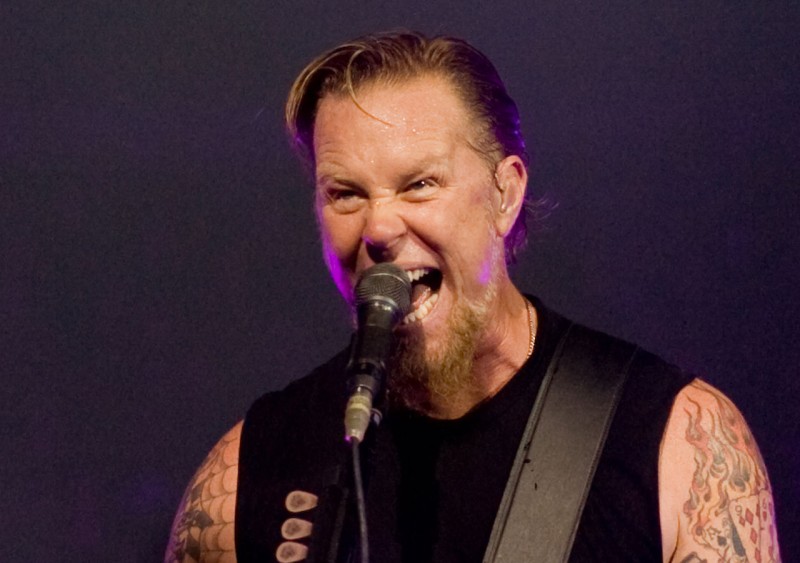
Albums like "Ride the Lightning" in 1984 and "Master of Puppets" in 1986 turned Metallica from an underground sensation into something bigger. Touring revenue grew with every record. By the time "...And Justice for All" arrived in 1988, Hetfield was earning at a level most musicians never reach. He was writing nearly every song, handling lead vocals and rhythm guitar, and building a live reputation that made Metallica one of the most intense acts on the road.
The band controlled their own direction from the beginning - no label telling them what to write, no compromise on sound. That creative ownership would later pay off in ways that went well beyond music.
The Black Album Peak and the $50 Million Elektra Deal
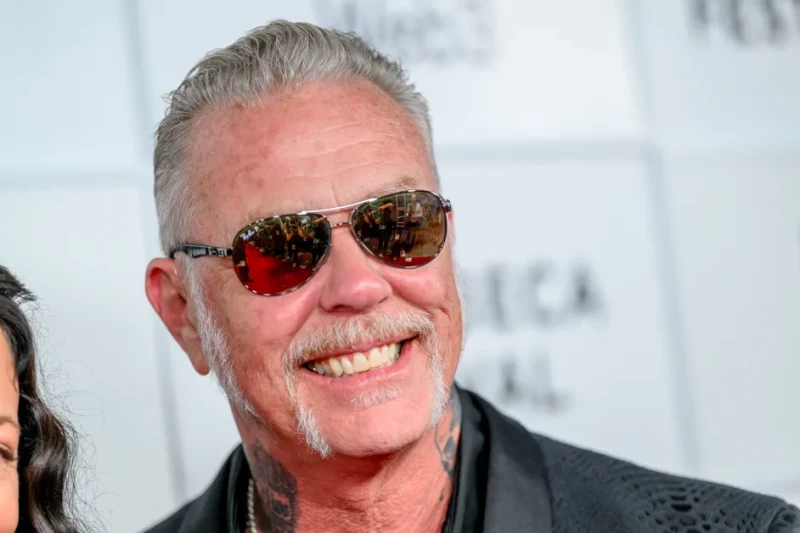
1991 was the turning point. Metallica's self-titled album - known everywhere as The Black Album - became one of the best-selling rock records ever made. What followed was a record-breaking $50 million deal with Elektra Records, a figure that confirmed their commercial standing alongside their critical one. Every Metallica album released after The Black Album has debuted at number one on the Billboard charts. Total global album sales have now crossed 125 million copies, with Hetfield as co-writer on virtually every track.
Tour revenue scaled accordingly. The 2010 World Magnetic Tour, a 23-month run, brought in over $217 million. The WorldWired Tour from 2016 to 2019 surpassed that entirely - more than $430 million across 139 shows. In 2017 alone, Metallica ranked as the 21st highest-paid entertainer in the world, earning around $66.5 million that year. In 2023 and 2024, during the M72 World Tour, Hetfield was reportedly earning close to $1.5 million per show, with the 2024 leg averaging $2.79 million per night.
James Hetfield Net Worth in 2025 - Properties, Cars, and Investments
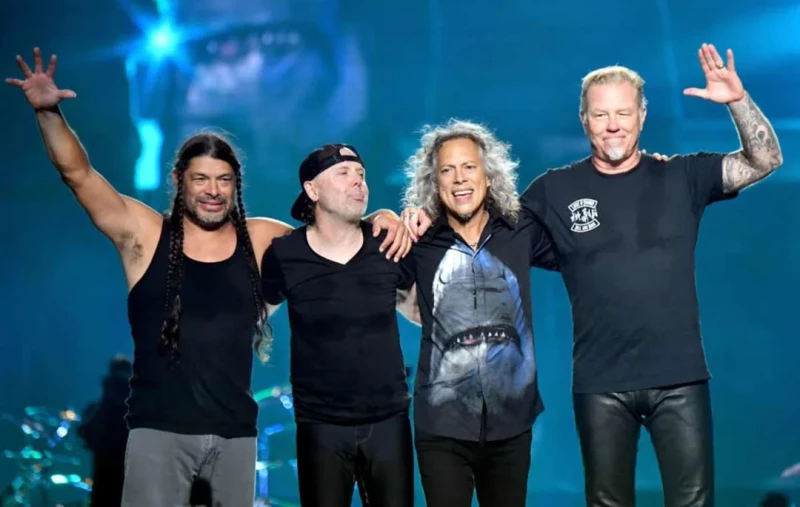
As of 2025, James Hetfield net worth is estimated at between $300 million and $320 million. The music remains the engine - album royalties, streaming income, and live touring keep that number moving. But he has built well outside of it too.
His Colorado mansion in Vail, sitting at the base of the ski resort, is valued at roughly $27.5 to $30 million. He once owned over 1,100 acres of land in Marin County near Skywalker Ranch - a property he called the "Rocking H Ranch" - donating the bulk of it to conservation trusts, including 1,000 acres to the Marin Agricultural Land Trust. He still holds properties in Maui and Los Angeles County, and sold 20 acres in Arizona in 2021 for $1.2 million. His car collection alone has been valued at $3.2 million, and he owns a range of custom vintage motorcycles and collectible guitars. Reported investments include early stakes in companies like Triller and The Virtual Reality Company.
One detail worth noting - despite all of this, Hetfield is not the richest member of Metallica. That distinction belongs to Lars Ulrich, whose moves in art and real estate have pushed his fortune ahead.
James Hetfield Net Worth and the Principles Behind His Success

What separates Hetfield's financial story from most rock musicians is structure. Metallica retained control of their masters through their own imprint, Blackened Recordings, meaning every sale, stream, and license deal returns a far greater share to the band than a standard major label arrangement would allow. That decision has compounded quietly for decades.
Beyond the business mechanics, Hetfield has spoken openly over the years about what he believes drives lasting success:
- Channel your pain into your work rather than running from it
- Think for yourself and resist the pull of outside opinion
- Creative ownership matters more than short-term commercial compromise
- Discipline outlasts talent over any significant period of time
- Personal stability - sobriety, self-awareness - is not a side issue, it is the foundation
- Giving back is part of building something worth leaving behind
After entering rehabilitation in 2001 and again in 2019, Hetfield has been candid about how personal recovery and professional output are connected. Metallica's All Within My Hands Foundation has directed millions toward workforce education and community support - an extension of the same ethos that built the music: show up fully, or don't bother showing up at all.
 Sergey Diakov