Alex Dudov
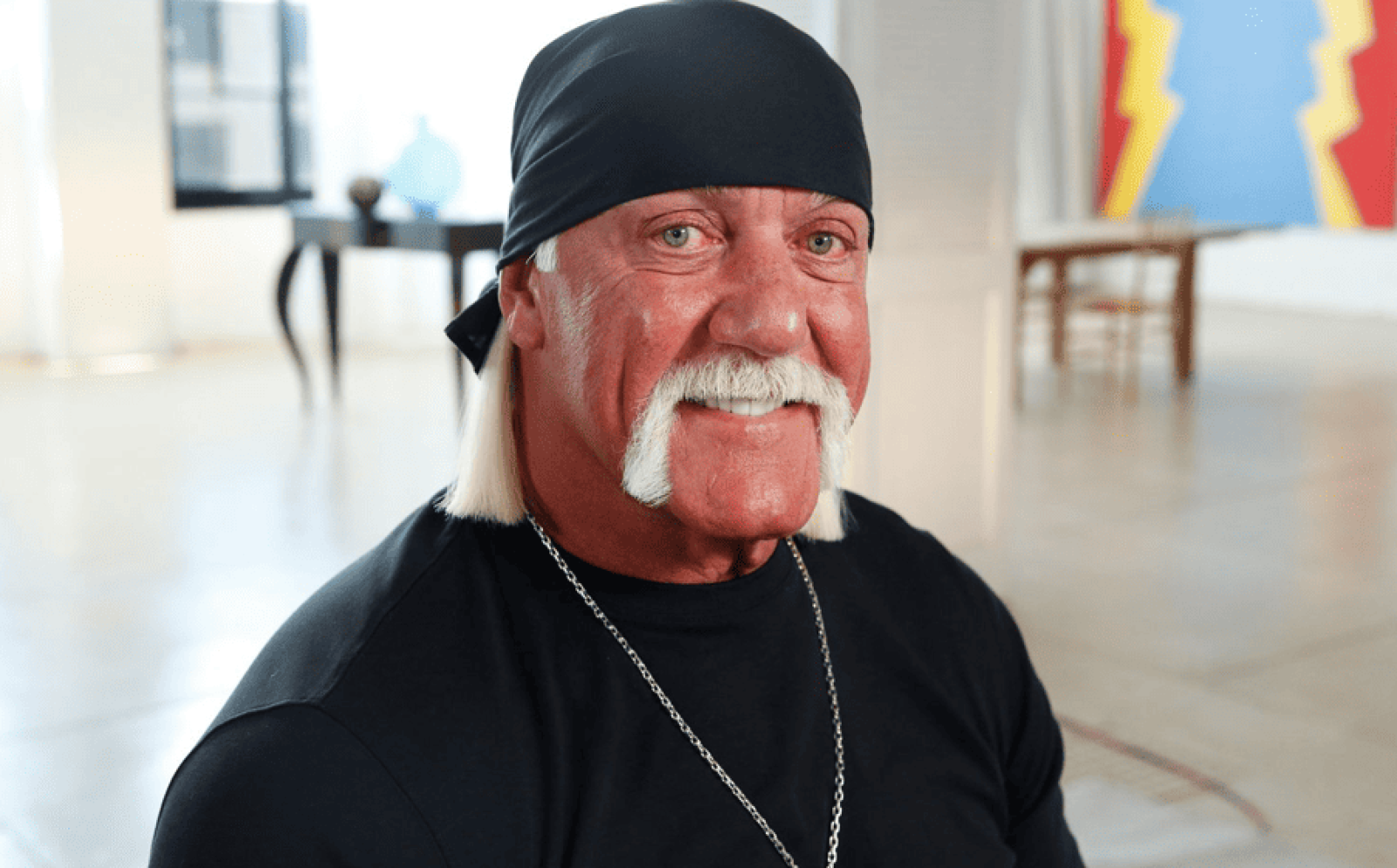
Terry Bollea grew up in Tampa with no obvious path to stardom. His father was a construction foreman, his neighborhood was ordinary, and his biggest early ambition was playing bass in a local rock band. Nothing about his background suggested he'd one day earn $10 million a year, headline the biggest events in sports entertainment, and build a personal brand recognized on every continent. But somewhere between a chance encounter with a pair of wrestlers at a bar gig and a brutal first training session that allegedly ended with a broken leg, Terry Bollea disappeared - and Hulk Hogan took his place.
What followed was one of the strangest, most lucrative, and most turbulent financial journeys in celebrity history. At his peak, Hogan's net worth exceeded $100 million. By the time he passed away on July 24, 2025, at age 71, that figure had settled at an estimated $25 million - shaped by divorce settlements, lawsuit windfalls, business ventures, and decades of living as loudly as he wrestled. This is how it all happened.
How Hulk Hogan Made His First Money
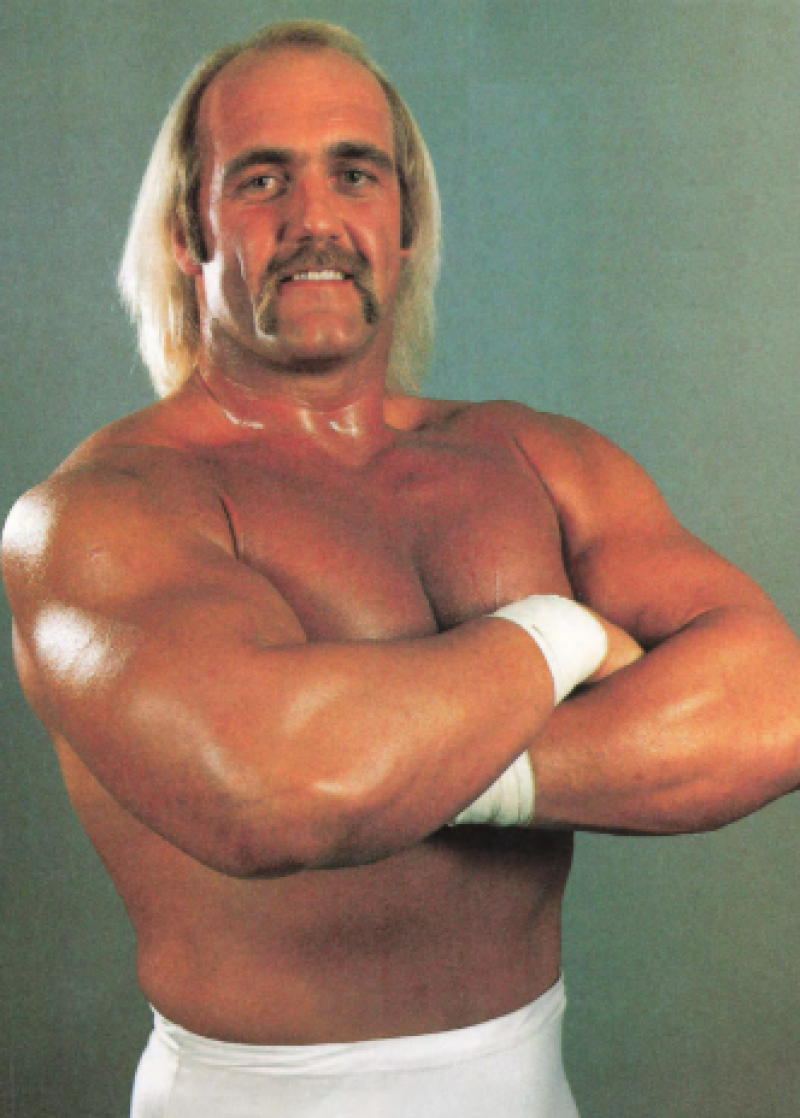
Before there was Hulkamania, there was Terry Bollea - a kid from Augusta, Georgia who played bass in a Tampa bar band called Ruckus. He wasn't thinking about wrestling. He was thinking about the next gig. But fate had different plans. A couple of wrestlers happened to catch one of his shows, noticed his ridiculous physique, and pointed him toward a trainer named Hiro Matsuda.
Matsuda didn't exactly roll out the welcome mat. According to wrestling lore, he broke Hogan's leg during the very first training session - either to test him or to scare him off. Hogan came back anyway. That stubbornness turned out to be worth about $25 million.
His professional debut came on August 10, 1977, in Fort Myers, Florida, competing for Championship Wrestling from Florida under the name Terry Boulder. The early paydays were next to nothing. When bookings dried up in Florida, he worked at a club, tried opening a gym, and bounced around regional territories in Alabama and Tennessee just to stay in the game.
Hulk Hogan's Career Rise and What He Earned Along the Way
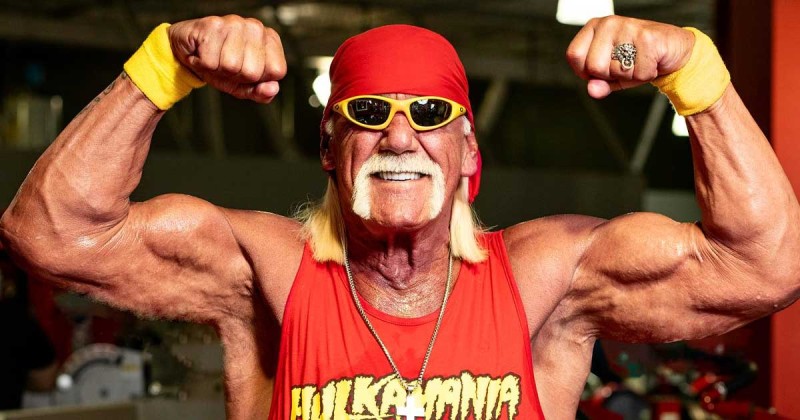
The real money started in 1983 when Hogan signed with the WWF. On January 23, 1984, he beat the Iron Sheik for the WWF Championship and Hulkamania was born. What followed was one of the most remarkable runs in entertainment history - not just wrestling history.
At the peak of the 1980s boom, Hogan was pulling in around $10 million a year from wrestling contracts alone. His 1988 match against Andre the Giant drew 33 million television viewers and a 15.2 Nielsen rating - a record that still stands for professional wrestling in the US. He headlined eight of the first nine WrestleMania events and earned close to a million dollars just from his WrestleMania 5 and 6 appearances combined.
When his WWF run started cooling, he made one of the smartest career moves of his life - signing with WCW in 1993 and eventually reinventing himself as the villainous Hollywood Hogan, leading the New World Order stable. Between 1996 and 2000, he pocketed an estimated $13 million from WCW. By the 1990s his annual salary had settled around $4 million per year, not counting bonuses and merchandise cuts.
Hulk Hogan Net Worth at His Peak - and the $140 Million Lawsuit
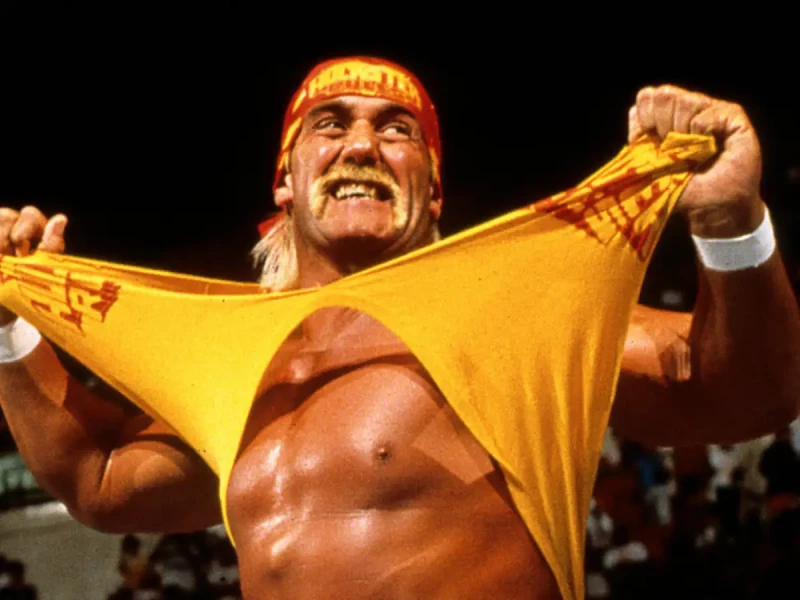
At his absolute peak, Hogan's net worth crossed $100 million. Wrestling was only part of the equation. His breakout film role as Thunderlips in Rocky III opened Hollywood doors. He followed it with No Holds Barred, Suburban Commando, and Mr. Nanny, then landed a reality TV show, Hogan Knows Best, which ran four seasons starting in 2005.
The endorsement machine ran just as hot. Honey Nut Cheerios, Slim Jim, Dodge, fitness equipment brands - his face was everywhere. He also reportedly missed out on a deal similar to the George Foreman Grill that could have been worth $200 million, which is one of those "what if" stories that says a lot about how unpredictable wealth-building really is.
Then came the Gawker lawsuit. In 2016, a jury awarded Hogan $140 million after the site published his private sex tape without consent. The figure made headlines worldwide, but after reductions and taxes the actual settlement came to around $31 million before the IRS took its share.
The divorce from his first wife Linda hit just as hard financially. He ended up surrendering 70% of their liquid assets, $3 million in cash, and a 40% stake in multiple businesses. By his own account, that period nearly broke him.
Hulk Hogan Net Worth in 2025 and His Business Ventures
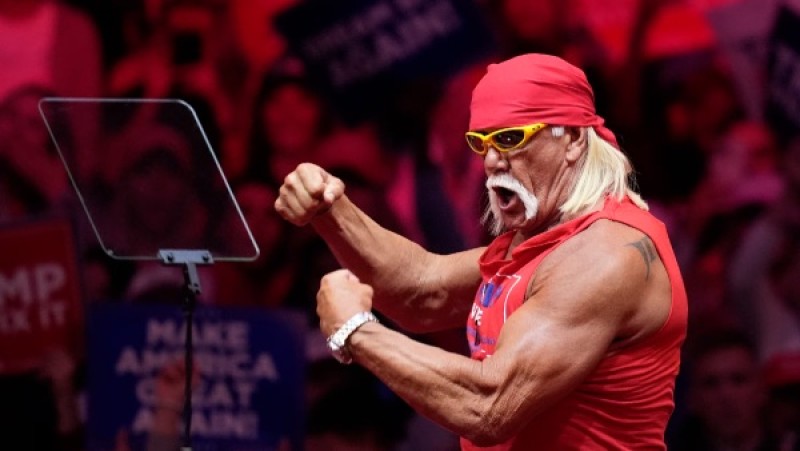
By the time of his death on July 24, 2025 - from a cardiac arrest at his Clearwater, Florida home at age 71 - Hulk Hogan's net worth was estimated at $25 million. That number confused a lot of people because probate filings from his son Nick showed only about $5 million in the estate. The gap is explained by the fact that most of his real wealth, including Clearwater Beach real estate valued at $11 million, was held inside trusts and LLCs that never show up in probate records.
In his later years, Hogan was earning an estimated $2.5 million annually through a WWE legends deal, merchandise royalties, public appearances, and autograph signings. His Real American Beer brand had grown into a genuine business, landing a multi-year sponsorship deal with WWE and getting featured on Raw's Netflix broadcasts. He also ran retail shops under the Hogan's Hangout and Hogan's Beach banners in Orlando and Clearwater.
His Clearwater home - a 5,400-square-foot Mediterranean Revival property with a private beach, dock, home theater, and wine cellar - was listed for sale in February 2026 at just under $11 million.
How Hulk Hogan Thought About Success
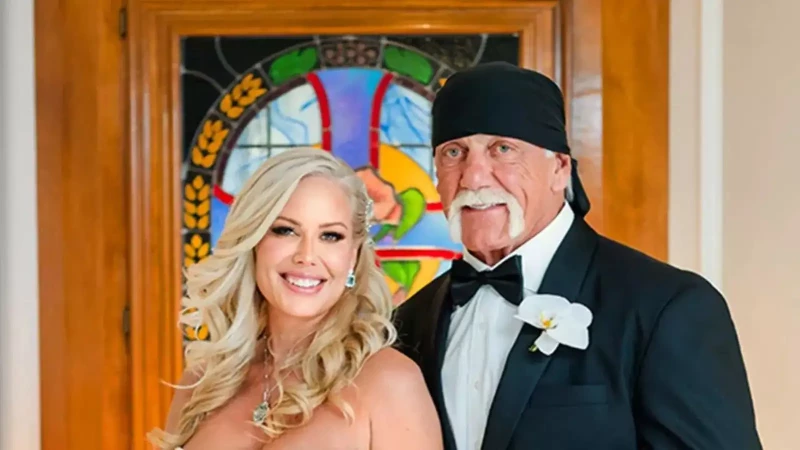
Few people in entertainment reinvented themselves as many times as Hogan did - from masked regional jobber to WWF megastar, from crowd favorite to Hollywood villain, from wrestler to brand owner. A few patterns stand out:
- He treated his body like a business asset. The physique wasn't vanity - it was his entire pitch. He trained six days a week well into his sixties and built his public identity entirely around physical presence and energy.
- He knew when to change the story. When Hulkamania started losing steam, he didn't coast. He turned heel, created the nWo, and sparked one of the biggest boom periods in wrestling history. Reinvention saved his career at least twice.
- He never stopped putting his name on things. Beer, energy drinks, restaurants, merchandise shops, endorsement deals - Hogan understood that his name had commercial value and he worked it constantly.
- He showed up at the big moments. Eight WrestleMania main events. Three Starrcade headliners. Presence at major platforms builds the kind of recognition that earns money long after the last match.
- He absorbed the hits and kept moving. Two divorces, financial wipeouts, public scandals - none of it finished him. The ability to take a loss and get back to work was as much a part of his brand as the yellow bandana.
- He owned his narrative. For better or worse, Hogan was always the one steering his own story - in the ring, in interviews, and in business. That control over his image kept the Hulk Hogan brand relevant for nearly five decades.
 Alex Dudov