Sergey Diakov

Most people know Bill Murray as the guy who showed up at random house parties and told guests no one would believe them. That reputation for doing whatever he wants, whenever he wants, turns out to be more than a fun anecdote. It is basically his entire career strategy - and it has made him one of the wealthiest comedic actors in Hollywood history.
Bill Murray's First Job: Golf Caddy, Rock Singer, and Second City Rookie
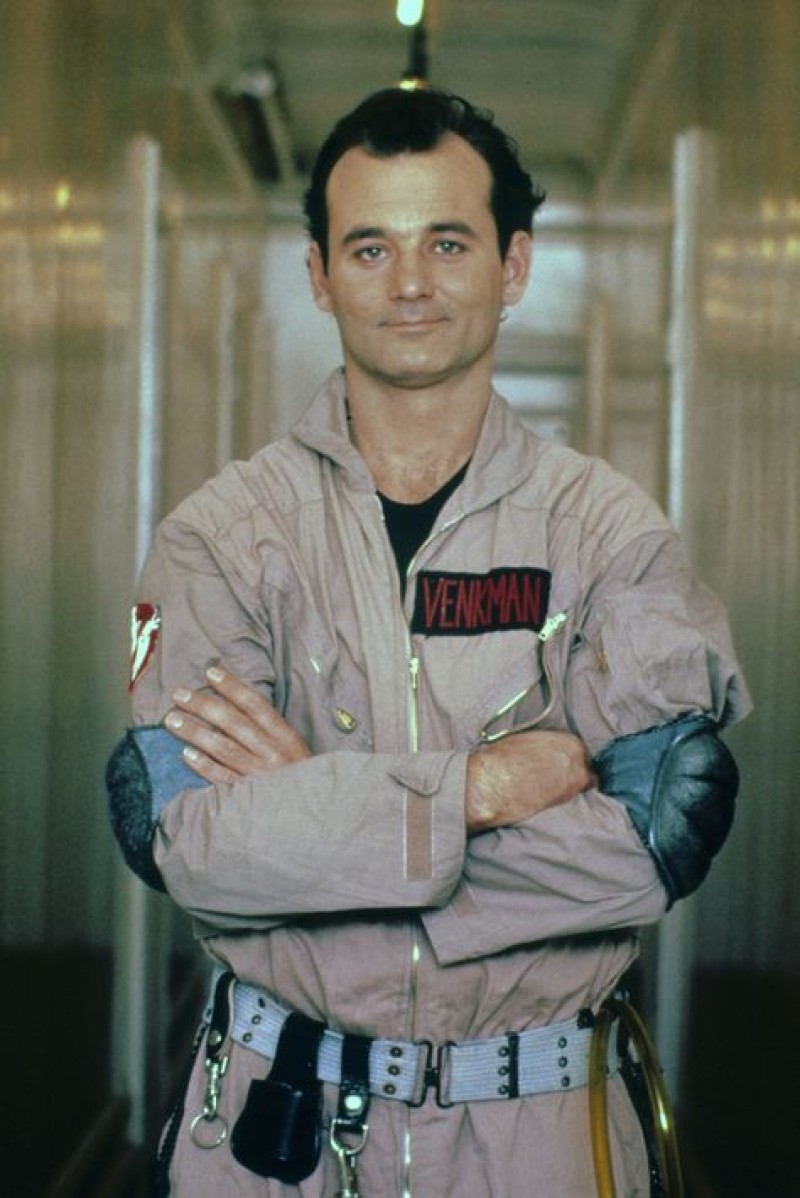
Murray grew up in Wilmette, a suburb of Chicago, one of nine kids in a working-class Irish-Catholic family. His father died when Bill was 17. To cover tuition at his Jesuit high school, he caddied at a local golf course - a job that would eventually inspire one of his most beloved film roles. He also sang lead for a band called the Dutch Masters and spent weekends doing community theater.
After dropping out of pre-med college, his older brother Brian pulled him into The Second City comedy troupe in Chicago in the early 1970s. That was his real first break. From there he moved to New York, joined The National Lampoon Radio Hour in 1974, and eventually landed on Saturday Night Live in 1977 as a replacement for Chevy Chase. His SNL run lasted three years and earned him an Emmy. When he walked off that stage in 1980, he went straight into Caddyshack, reportedly pulling in $250,000 per week across 11 weeks of filming - around $2.75 million for his first major movie.
The $75M Ghostbusters Deal That Shaped Bill Murray's Financial Playbook
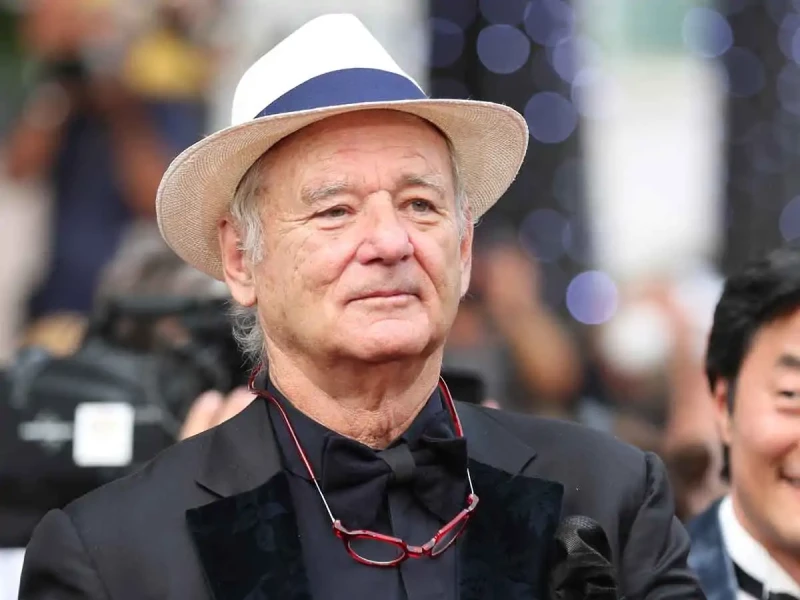
The real money came in 1984. Ghostbusters was so hotly desired by studios that the cast had actual negotiating power - something rare in Hollywood. Murray, Dan Aykroyd, Harold Ramis, and director Ivan Reitman skipped traditional salaries and took 30% of the film's total gross instead. Box office, home video, licensing - all of it. The movie became the highest-grossing comedy of its era, and that 30% split four ways came out to roughly $75 million per person.
For Ghostbusters II in 1989, he negotiated an even better deal: $6 million upfront plus a 35% backend share with his co-stars. That second film contributed an estimated $50 million more. Bill Murray's net worth is, in large part, a story about understanding profit participation before anyone else made it standard practice.
Lost in Translation and the Peak of Bill Murray's Earning Power
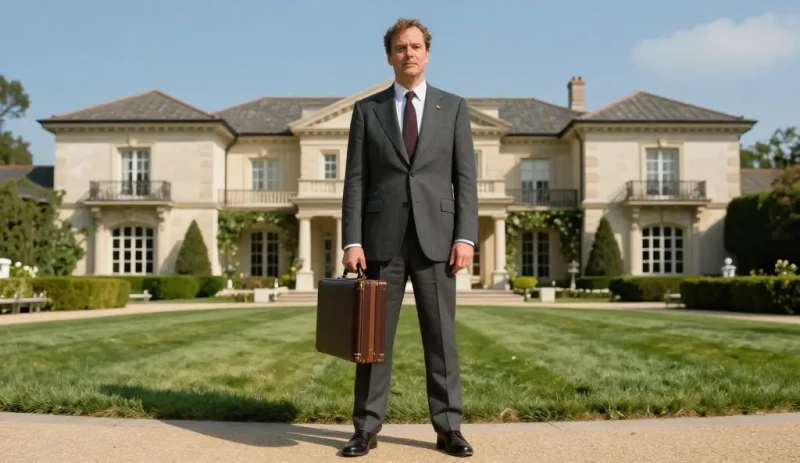
By the late 1990s, Murray was quietly dismantling his own brand. He took a $9,000 salary for Rushmore in 1998, which seemed absurd at the time. But it worked. The critical respect he built there set up Lost in Translation (2003), which won him a Golden Globe and landed him an Oscar nomination for Best Actor. That kind of prestige puts an actor in a different conversation entirely when it comes to fees. His estimated annual earnings now sit around $15 million a year, factoring in residuals, ongoing projects, and business income.
Outside of acting, he co-owns several minor league baseball teams, has invested in restaurants, and opened the Murray Bros. Caddyshack Restaurant chain with his brothers - a move that ties directly back to those caddy days in suburban Chicago. The whole thing has a certain internal logic to it.
Bill Murray Net Worth in 2026 and What He Actually Believes About Success
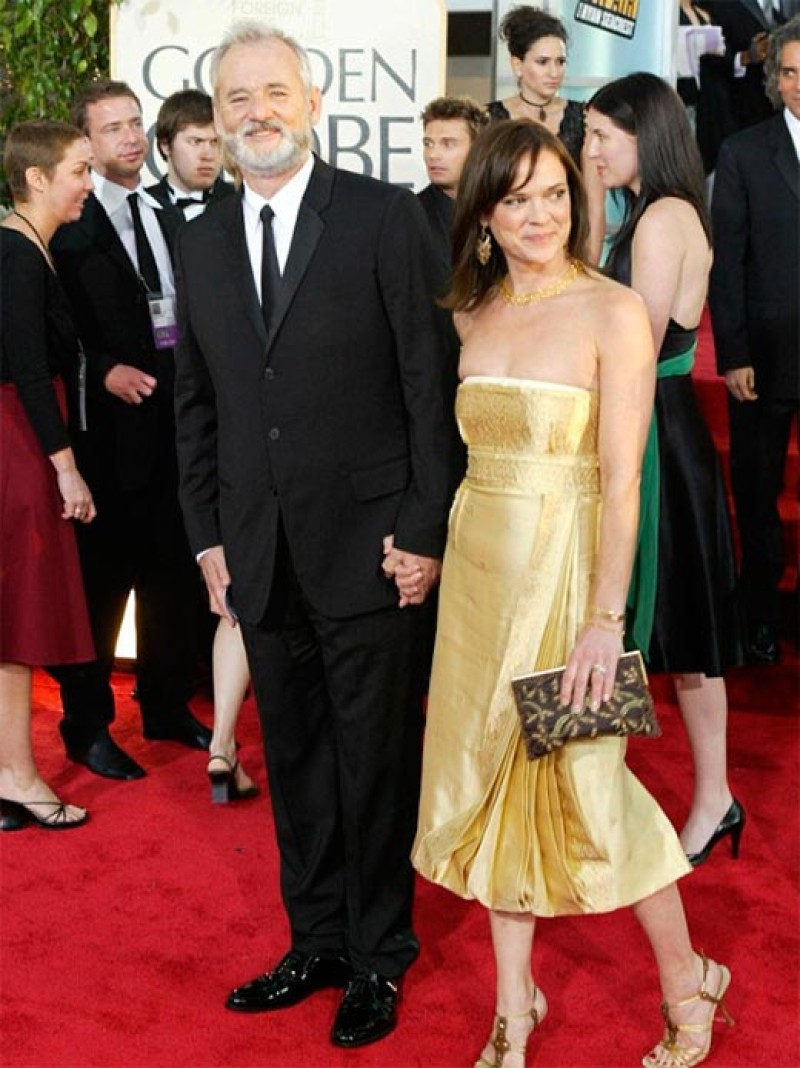
Bill Murray's net worth in 2026 is consistently pegged at $180 million across major financial tracking sources. He holds real estate in Los Angeles, Massachusetts, and South Carolina, and keeps adding to his filmography on his own terms. His upcoming project is Diamond, alongside Brendan Fraser.
What is striking about Murray's philosophy is how unglamorous it sounds. He has said repeatedly that you have to show up fully for whatever is in front of you - not the big opportunity, just the thing that is actually there today. He skips agents and managers entirely, using a 1-800 number to field proposals, which keeps commissions in his pocket. He takes less upfront when he believes in something, then waits for the backend to pay out. And he has been doing this for five decades without burning out or chasing trends. Whether that counts as wisdom or stubbornness probably depends on the day. Either way, it has clearly worked.
 Sergey Diakov