Marina Lyubimova
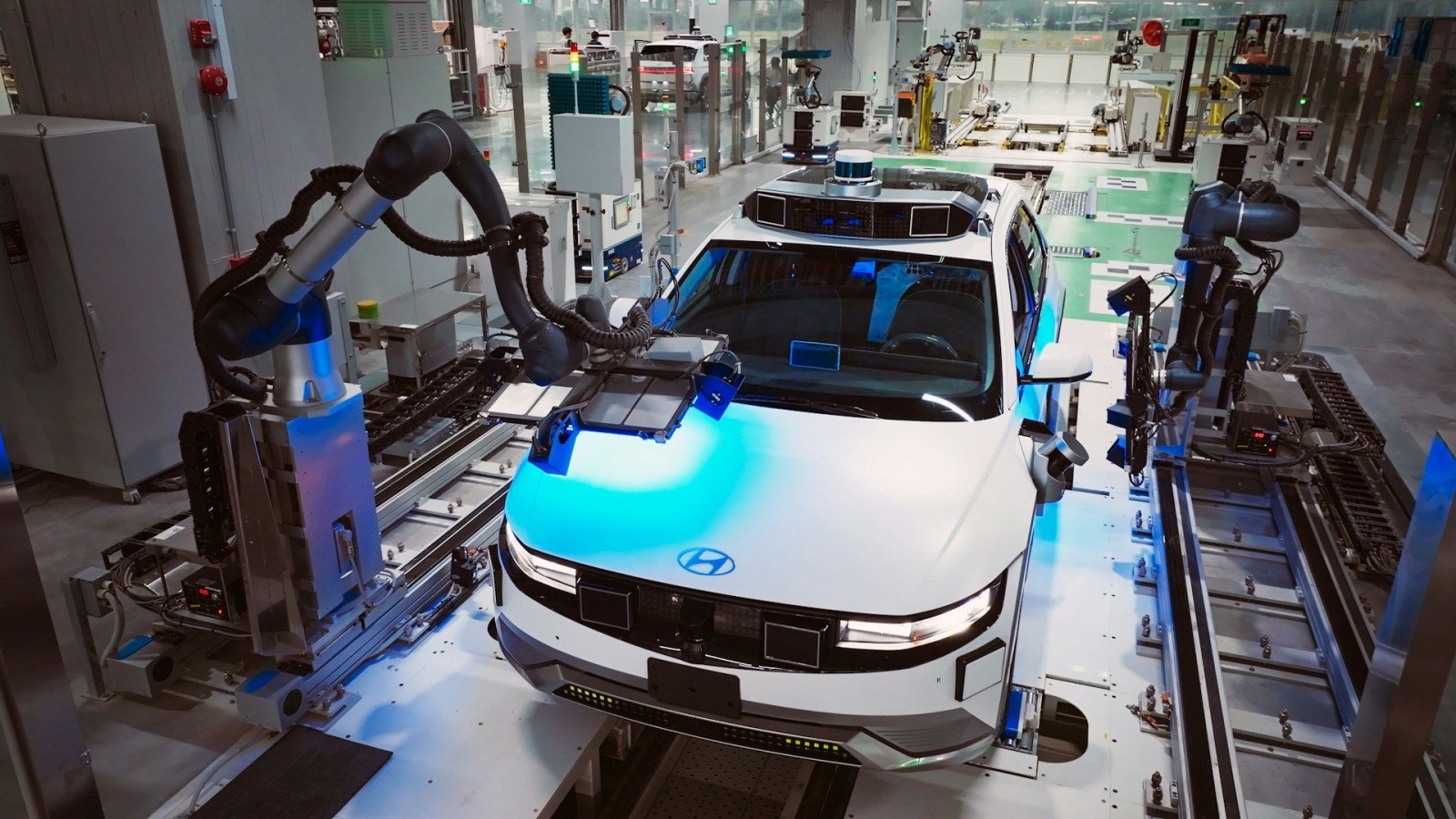
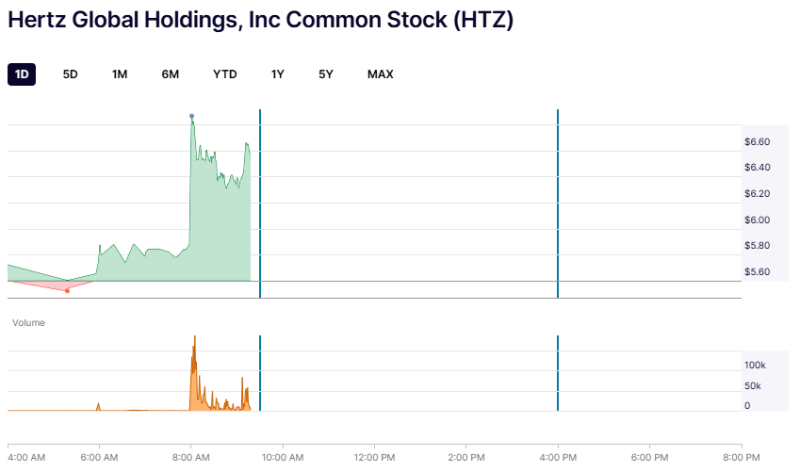
Hertz stock surged 17% to $6.55 after announcing a new partnership with Uber - but the real story goes far beyond a short-term market reaction. The deal signals a deeper shift toward autonomous robotaxis and large-scale fleet operations, a model that could redefine how transportation works in major cities.
At first glance, the partnership may look like a standard collaboration. In reality, it reflects a structural change in the industry, where companies are no longer trying to build everything themselves but instead are splitting roles across a growing mobility ecosystem.
Why Hertz Stock Jumped So Fast
The immediate reaction in Hertz Global Holdings shares reflects how investors interpret the deal. Instead of being viewed purely as a traditional rental company, Hertz is now positioning itself as a fleet operator for the next generation of mobility.
Under the agreement, Hertz will help manage the physical side of operations - including vehicle maintenance, logistics, and scaling - while Uber continues to control the platform, demand, and user experience. This shift toward recurring, service-based revenue is seen as more scalable than the legacy rental business, which helps explain the sharp move in the stock.
What Uber Is Really Building
Uber’s strategy has evolved significantly in recent years. Rather than developing its own self-driving technology, the company is increasingly acting as a central platform that connects users with multiple types of mobility services, including autonomous vehicles.
The Hertz partnership solves one of the biggest bottlenecks in this model: how to operate and scale large fleets efficiently. Robotaxis are not just about software - they require constant servicing, charging, and logistics. By outsourcing this layer, Uber can expand faster without taking on the complexity of fleet ownership.
Why Robotaxis Are Suddenly Back in Focus
Interest in robotaxis is accelerating again as technology improves and costs begin to fall. At the same time, cities are moving toward shared transportation models, making large-scale fleet operations more relevant.
The industry is now clearly dividing into three layers:
- platforms like Uber
- autonomous technology providers
- fleet operators such as Hertz
This modular approach allows faster growth and reduces risk compared to vertically integrated models.
How This Changes the Way Investors Look at Hertz
The Uber–Hertz deal suggests that the transition to autonomous mobility is entering a more practical phase. Instead of experimental pilots, companies are focusing on real-world deployment and scalability. For investors, the key takeaway is that Hertz is no longer just a cyclical rental business. Its role in fleet operations could make it part of the infrastructure behind future transportation systems.
At the same time, Uber is strengthening its position as the distribution layer for mobility, which could give it a central role as robotaxis become more widely adopted.
 Marina Lyubimova