Marina Lyubimova
ADNOC’s plan to award $55 billion in projects between 2026 and 2028 is more than a routine investment update - it signals the start of a new large-scale contract cycle in the global energy industry. By outlining a multi-year pipeline, Abu Dhabi National Oil Company is effectively providing forward visibility for contractors, suppliers, and infrastructure players at a time when energy companies are reassessing long-term capital allocation.
ADNOC Unveils $55B Project Pipeline
ADNOC’s planned $55 billion project pipeline for 2026–2028 points to more than a routine investment update. The awards could mark one of the largest upcoming engineering, procurement, and construction (EPC) cycles in the energy sector, reinforcing Abu Dhabi’s push to expand production, gas infrastructure, and long-term supply capacity.
Abu Dhabi’s Abu Dhabi National Oil Company said it will award around $55 billion in projects over the period, according to an official statement. The scale of the pipeline highlights a new phase of capital deployment, with contracts expected across upstream, midstream, and downstream segments.
Oil Market Context
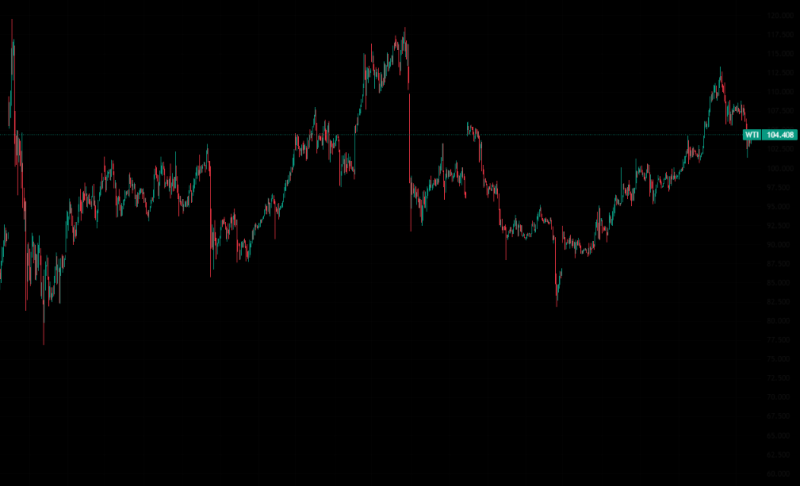
Oil prices show relatively stable movement as ADNOC outlines its $55B project pipeline, reflecting balanced supply expectations in global energy markets.
The announcement comes as oil markets remain relatively stable, with prices moving within a controlled range despite ongoing geopolitical and supply-side factors. Large-scale investment signals such as ADNOC’s pipeline tend to support long-term confidence rather than trigger immediate price reactions, especially in the context of oil supply dynamics and export trends.
Not Just Oil: Gas and LNG Take Center Stage
A key feature of ADNOC’s strategy is its growing emphasis on natural gas and LNG. The company is advancing offshore gas developments, LNG expansion projects, and downstream petrochemical infrastructure, reflecting a broader shift toward gas as a transition fuel.
This positioning aligns with global consumption patterns and recent fuel price volatility trends, where demand resilience continues to shape long-term investment decisions across energy markets.
EPC Cycle and Strategic Implications
Beyond headline investment figures, the $55 billion pipeline represents a major upcoming contract cycle for global contractors and suppliers. ADNOC has historically used such award phases to attract international partners, localize supply chains, and accelerate industrial development within the UAE.
At the same time, the initiative reflects a broader trend among national oil companies, which continue to scale investments to secure future supply, even as the energy transition reshapes long-term demand expectations.
Outlook for Energy Markets
The scale of ADNOC’s planned awards signals continued confidence in long-term energy demand growth, particularly in Asia and emerging markets. It also reinforces the role of large state-backed producers in maintaining supply stability during periods of market uncertainty.

 Marina Lyubimova