
 Saad Ullah
Visible oil inventories across the world are 255 million barrels lower since the conflict started on February 27. There are approximately 7.86 billion barrels currently in storage according to data from Goldman Sachs.
The speed at which inventories are falling is now faster - in April, the total amount of oil removed from storage is 10.9 million barrels per day - this is the highest rate of monthly reduction that has occurred since 2017.
Supply Is Difficult To Obtain
Cumulative reductions in global oil levels are approximately 474 million barrels - this shows that there is a continuous lack of available supply. By looking at the Strait of Hormuz, one can see a main cause for this trend. On this route oil volumes are at 10 % of their usual levels, which is about 2 million barrels per day.
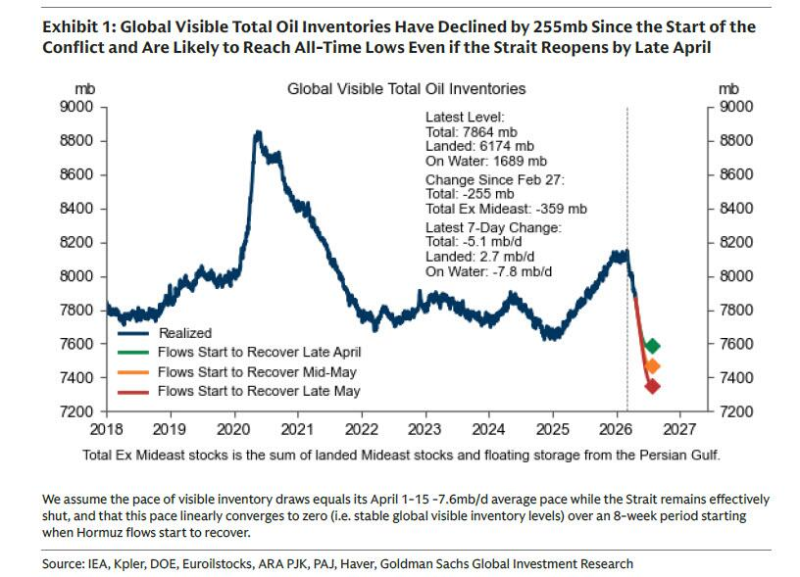
If flows begin to increase by late April, Goldman Sachs states that inventories will still likely reach their lowest recorded levels.
Effects On The Market
As inventories become smaller, the physical oil markets become more restricted. Due to low stock levels, buyers must purchase oil for immediate delivery - this situation causes the price for immediate delivery to be higher than the price for future delivery.
There are few ways for the market to become stable once inventories reach the minimum levels that supply chains require. In those conditions, the market is balanced when people stop buying oil because it is too expensive, rather than - increasing the amount of oil available.
When Prices Might Increase
A new increase in oil prices is possible in late April or early May - this can happen if supply stays low and inventories continue to fall at the current rate.
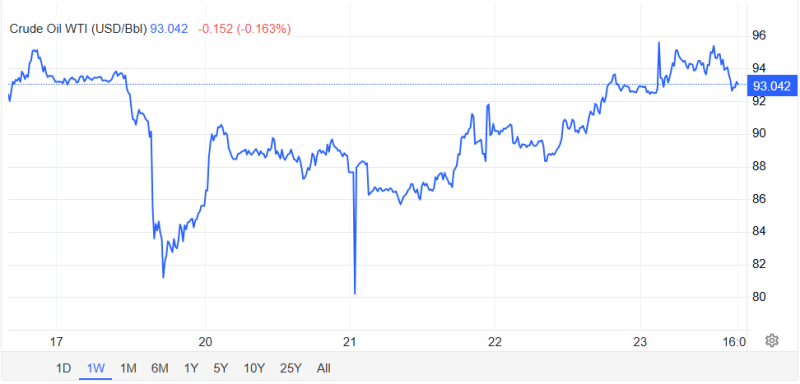
And markets will likely respond before stocks reach their lowest points. To cause this supply becomes limited and the recovery of oil shipments stays slow. Even if shipments return to normal, prices can still increase because inventories are at very low levels.
 Saad Ullah



