Editorial staff
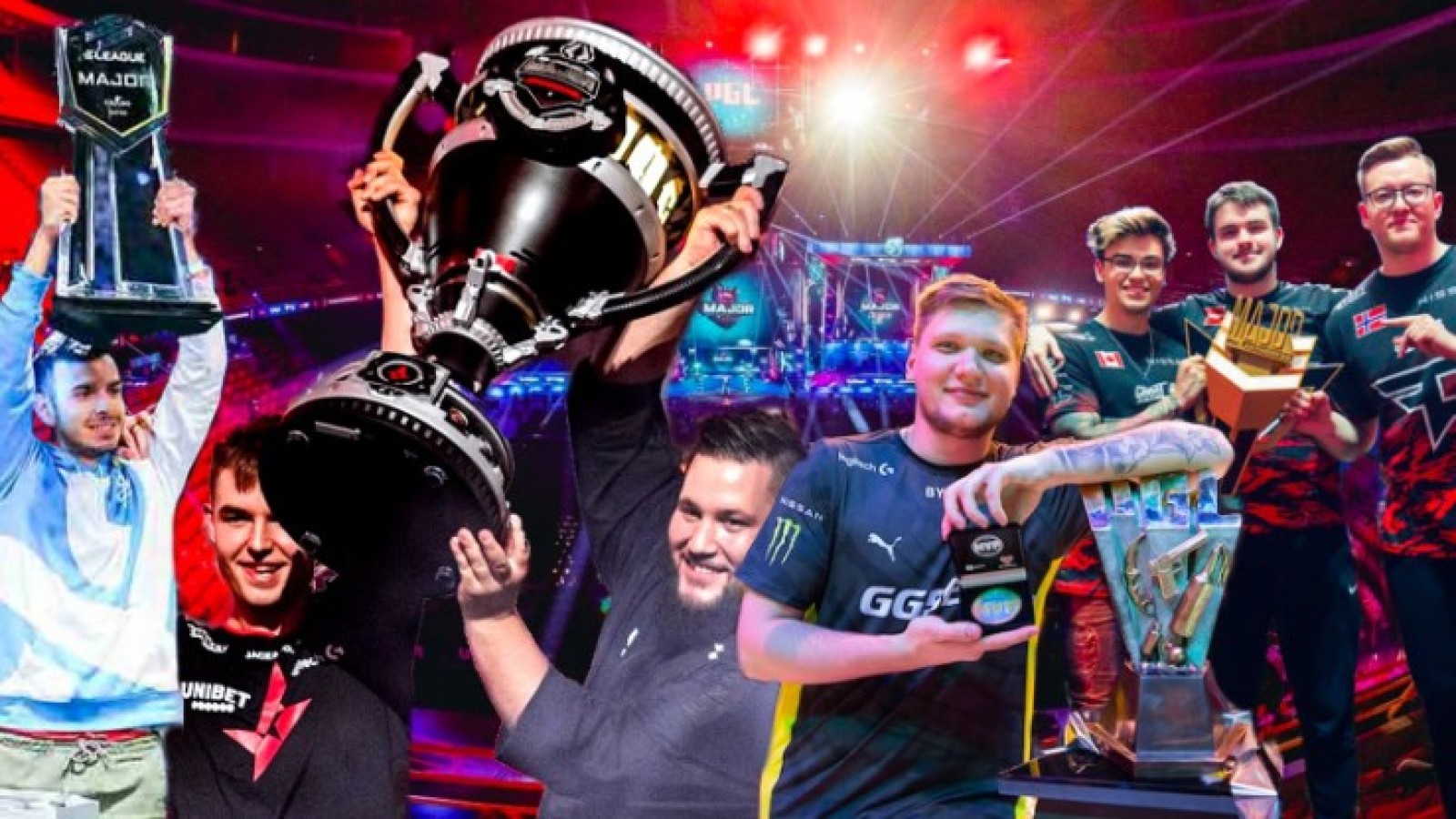
Esports has evolved far beyond a niche pastime to become a global cultural phenomenon, attracting millions of viewers, thousands of professional players, and an intricate ecosystem of sponsors, media outlets, and event organizers. This season marks one of the most dynamic periods in competitive gaming history, with tournaments spanning continents, showcasing unprecedented levels of skill, strategy, and innovation. From high-octane first-person shooters like Valorant and CS:GO to complex multiplayer online battle arenas such as League of Legends and Dota 2, the professional esports landscape is more competitive and diverse than ever. Understanding this ecosystem is crucial for fans seeking deeper engagement, analysts looking to track performance trends, and aspiring professionals aiming to break into the scene.
Key Global Esports Tournaments to Watch
The esports calendar is more packed than ever this season, featuring high-profile tournaments across multiple game genres that captivate audiences worldwide. VALORANT Masters, League of Legends World Championship, CS:GO Majors, and Dota 2's The International have become global spectacles, drawing millions of online viewers and filling arenas with enthusiastic fans. Each tournament carries unique characteristics: differing match formats, point systems, and qualification pathways that require teams to demonstrate exceptional skill and adaptability. For example, Valorant Masters demands precise coordination in high-stakes maps, while LoL Worlds tests team strategies through a series of group stages and knockout rounds. Understanding these events is critical not only for appreciating the level of competition but also for anticipating potential meta shifts and player performance.
These major tournaments influence the careers of professional players significantly. A strong showing can elevate a team to international fame, secure long-term sponsorships, and even shape the professional trajectory of individual players. For those looking to stay informed, platforms like egw.news provide in-depth coverage of schedules, team rosters, and performance analytics. They offer insights into meta evolution, strategic shifts, and emerging talents, ensuring fans and analysts can follow the competitive pulse of esports without missing critical developments.
Understanding Prize Pools and Distribution
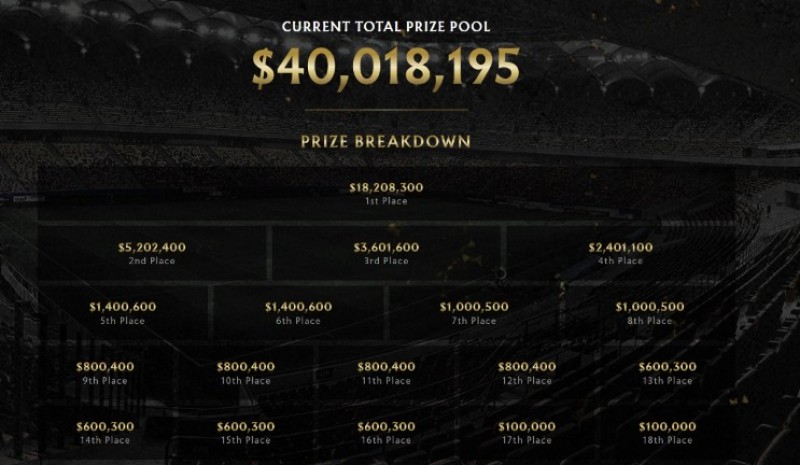
One of the most striking aspects of major esports tournaments is the prize pool, which often exceeds millions of dollars. For instance, Dota 2’s The International consistently features a record-breaking prize pool, largely crowdfunded by the game's community through in-game purchases, while League of Legends Worlds and VALORANT Masters offer substantial rewards through sponsorships and ticket sales. The distribution of these funds follows strategic structures, rewarding top-tier teams significantly while also providing incentives for lower-ranking participants, ensuring that competitive stakes remain high at every stage. Understanding these financial structures is crucial for fans, analysts, and aspiring players, as prize pools directly impact team sustainability, investment in training facilities, coaching staff, and player salaries.
The financial ecosystem around esports has matured dramatically. Teams now operate with multi-layered business strategies, leveraging tournament winnings, merchandise sales, streaming revenue, and sponsorship deals to ensure long-term viability. This financial sophistication allows organizations to invest in talent scouting, analytics departments, and player wellness programs. Aspiring professionals must therefore consider not only their in-game skills but also how their performance and marketability can influence earnings and career longevity in this competitive environment.
Regional Competitions and Qualifiers
Before reaching global tournaments, most teams navigate a series of regional qualifiers that serve as both a proving ground and a talent incubator. Regions such as North America, Europe, Asia, and Latin America host specialized leagues that funnel top teams into international stages. Each region exhibits unique playstyles, favored strategies, and dominant meta preferences, providing valuable context for understanding global performance dynamics. For example, European CS:GO teams are renowned for tactical precision, while Asian League of Legends squads often demonstrate rapid-paced, high-pressure playstyles.
Regional competitions are also crucial for community building and fan engagement. They feature livestreams, player interviews, analysis segments, and behind-the-scenes content that deepen audience connection and promote emerging talent. Coverage by platforms like egw.news ensures fans remain informed about standout performers, tactical innovations, and predicted outcomes for international stages. By following these regional contests closely, enthusiasts gain insight into the evolving meta, roster changes, and the strategies that shape global esports competition.
Emerging Trends in Competitive Gaming
This season, esports is shaped by several key trends redefining competitive gaming on a global scale. Hybrid formats that combine online and offline play have become increasingly prevalent, offering flexibility while preserving competitive integrity and audience engagement. Investment in coaching, analytics, and wellness programs has surged, elevating performance standards across professional rosters. Sponsorship and media partnerships continue to expand, facilitating global outreach and enabling teams to adopt innovative strategies, from performance analytics to virtual fan engagement tools. Additionally, technological advancements such as AI-driven strategy analysis, virtual production, and enhanced streaming platforms are transforming how fans experience tournaments and how teams prepare for matches.
Keeping track of these developments is essential for both fans and analysts. Emerging trends influence tournament organization, player development, and strategic decisions within teams. Monitoring platforms like egw.news allows enthusiasts to stay informed on meta shifts, player transfers, and organizational innovations, providing a comprehensive understanding of how the competitive landscape evolves. This insight not only enhances fan engagement but also offers aspiring professionals a roadmap for navigating the complex ecosystem of modern esports.
Conclusion
The current esports season highlights the remarkable growth, complexity, and financial impact of competitive gaming on a global scale. Major tournaments are not merely contests of skill but are also pivotal for career development, fan engagement, and shaping the future of the industry. Multi-million-dollar prize pools, intricate regional qualifiers, and rapidly evolving trends make staying informed a necessity for anyone involved in esports. Platforms such as egw.news offer essential resources, providing schedules, analytical insights, and strategic context that help audiences appreciate the depth and dynamism of professional gaming. As esports continues to expand, following these tournaments provides unparalleled entertainment and a profound understanding of the evolving competitive landscape.
 Editorial staff