Editorial staff
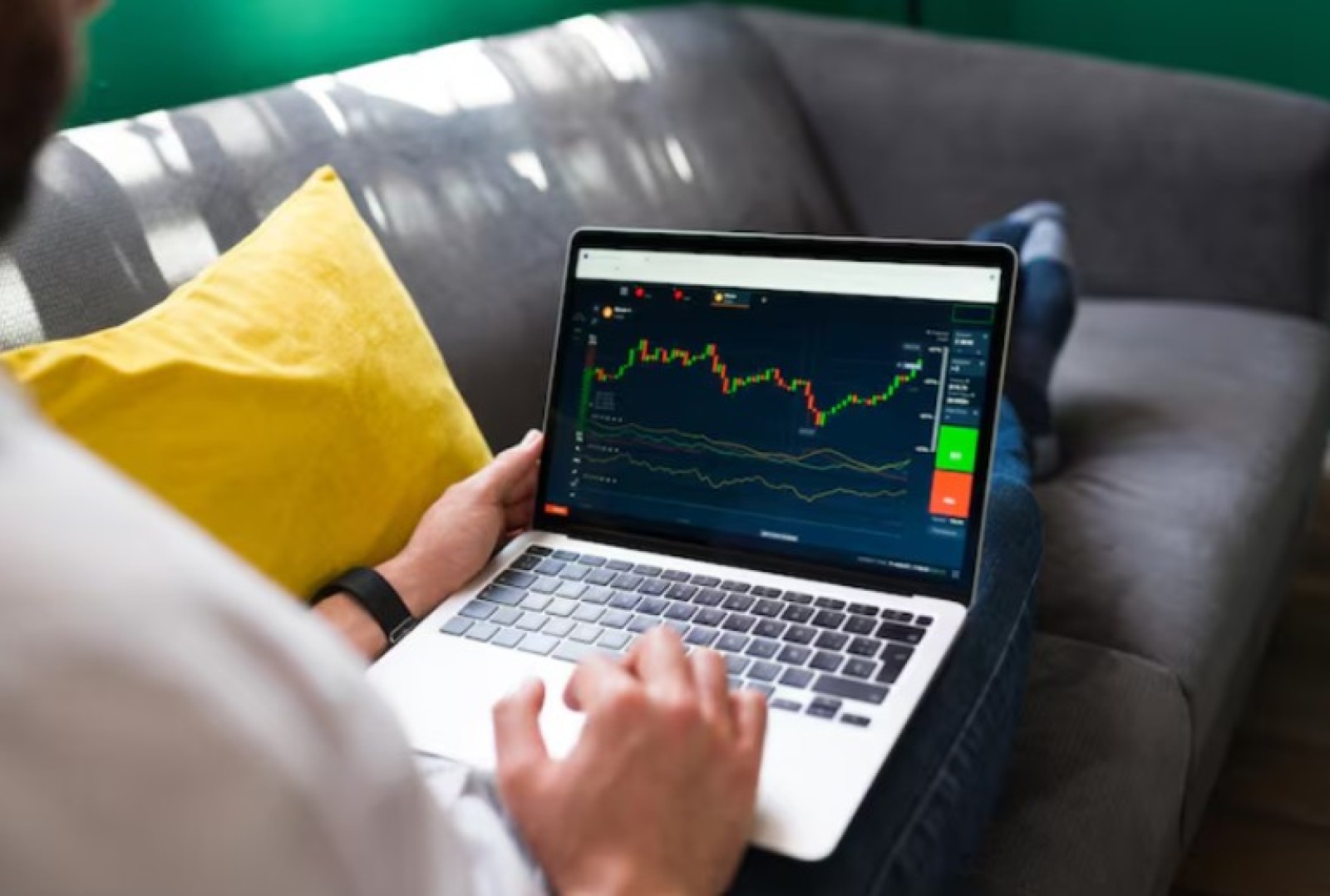
A big part of that comes from market awareness. It is the habit of paying attention to what is happening around a market before making a move. This can include price action, economic updates, trading volume, seasonal shifts, and the overall mood among participants. When a trader stays aware of these things, each decision feels more informed and more balanced.
Market awareness is not about trying to predict every small move. It is about reading the situation clearly and giving each trade a stronger foundation.
In a way, it works much like searching for apartments for rent. Most people do not choose a place based on one photo alone. They look at the area, the price, the space, and what fits their needs. Traders can benefit from the same mindset by looking at the full picture before taking action.
What Market Awareness Really Means
Market awareness is simply the ability to understand the current condition of the market before entering or managing a trade.
It includes noticing how active the market is, where momentum is building, how news affects price behavior, and how traders are reacting in real time. A person with strong market awareness does not rely on a single signal. Instead, they connect several useful clues and build a clearer view.
The Main Parts Of Market Awareness
A trader usually builds awareness by paying attention to a few key areas:
- Price direction over time.
- Trading volume and activity.
- Economic calendars and scheduled events.
- Support and resistance zones.
- Market sentiment and momentum.
- Session timing and volatility patterns.
How Awareness Supports Better Timing
Timing matters in trading, and awareness can make timing more natural.
When traders study the market environment, they can spot moments when the market is active, steady, and aligned with their plan. This helps them act with more purpose instead of acting too fast. A well-timed trade often comes from patience, observation, and a clear reading of current conditions.
Why Timing Feels Stronger With Context
Good timing is often connected to a few simple habits:
- Waiting for the price to confirm a direction.
- Watching how the market reacts near important levels.
- Checking if volume supports the move.
- Noticing session changes that can affect activity.
Why Market Awareness Builds Confidence
Confidence in trading often comes from preparation. When traders know what is happening in the market, they usually feel more settled during decision-making.
This kind of confidence is not based on excitement. It comes from understanding. A trader who has checked the trend, reviewed the calendar, and watched price behavior is often in a better position to act with clarity.
Confidence Comes From Repetition And Observation
As awareness grows, traders often start to notice repeating patterns. For example, they may see that certain sessions have more movement, or that certain announcements bring more attention to a market.
Confidence grows when traders:
- Follow the same review process each day.
- Keep notes on what they observe.
- Compare current conditions with past setups.
- Stay patient until the setup matches their plan.
Market Awareness And Decision Quality
Better trading outcomes often begin with better decisions. Market awareness supports that by helping traders filter information and focus on what matters most.
A trade idea may look attractive at first glance, but the wider market context can add much more meaning. For example, if the price is moving with healthy volume and clear momentum, that setup may carry more weight than one that appears in a quiet session with limited activity.
A Simple Comparison
| Trading Approach | Main Focus | Usual Result |
| Limited awareness | One signal or one chart pattern | Less context behind the trade |
| Strong awareness | Price, volume, timing, and sentiment together | More informed decision-making |
How Awareness Helps Traders Stay Flexible
Markets move in different ways from one day to the next. A trader who stays aware can adjust more smoothly.
Some days bring quick momentum. Other days move at a slower pace. Some sessions attract high participation, while others stay calm. By noticing these changes, traders can align their approach with the current market tone.
Flexibility Starts With Paying Attention
Flexible traders often do a few things well:
- They review the market before trading.
- They notice if conditions feel active or calm.
- They match their expectations to the day’s pace.
- They keep their plan connected to current price behavior.
Practical Ways To Build Market Awareness
Market awareness can be improved with simple daily habits. It does not require a complicated routine. Small actions, repeated often, can make a big difference over time.
Daily Habits That Can Help
Start with habits like these:
- Read the economic calendar before the session begins.
- Mark important price levels on your chart.
- Watch volume when price approaches key zones.
- Review market sentiment from recent movement.
- Keep a short journal after each trading session.
How Awareness Supports Long-Term Growth
Strong trading results are often connected to consistency, and market awareness plays a helpful role in that consistency.
When traders pay attention to context, timing, and behavior, they build a stronger routine. That routine can support clearer thinking and more stable execution. Over time, those steady habits can shape a more thoughtful trading style.
A Better Process Creates Better Outcomes
Market awareness supports long-term progress by helping traders:
- Prepare before they act.
- Read current conditions with more clarity.
- Make decisions with stronger context.
- Build confidence through repeated observation.
Final Thoughts
Market awareness plays an important role in better trading outcomes because it helps traders understand what is happening before making a move. It supports timing, improves decision quality, builds confidence, and encourages a more steady routine.
 Editorial staff