Editorial staff
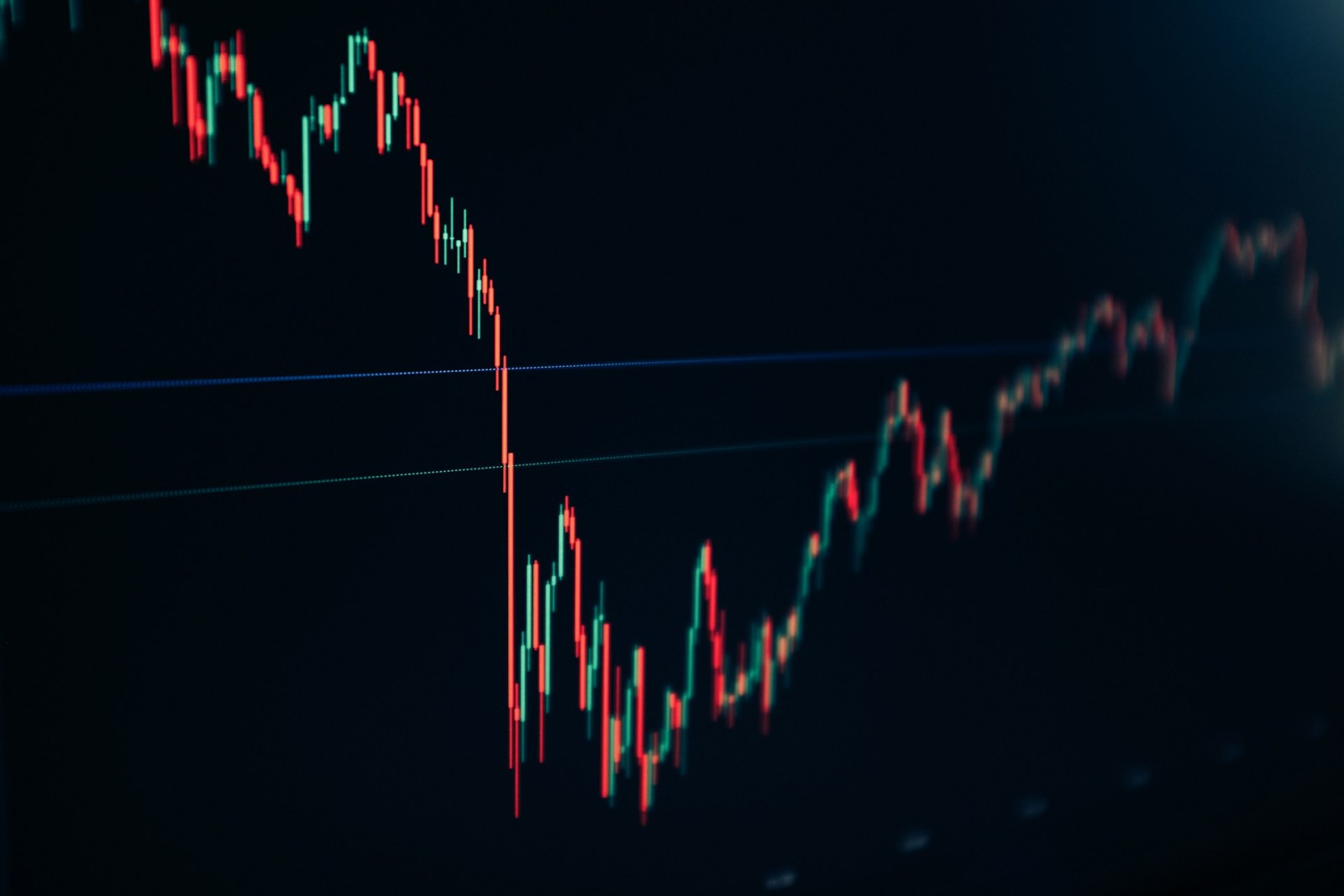
Worryingly, the FTSE 100 has dropped around 8% since the war in Iran began in February, but it’s important to keep in mind that this volatile activity has entered the fray during one of the most positive periods of market growth for many equities.
Last year, the FTSE 100 rallied 21%, surpassing many of its peers like the S&P 500 in the United States.
This helps to underline how there are many investment opportunities that could still help to build wealth in the long term, even if markets could be more exposed to short-term price shifts over the foreseeable future.
So, what does this short-term volatility mean for the growing number of UK residents who are General Investment Account (GIA) holders? Let’s take a look at five essential strategies that can help you to overcome market fluctuations to grow your portfolio in a meaningful way:
1. Embrace Pound Cost Averaging (PCA)
The single most effective way to navigate volatility is to deploy a pound cost averaging (PCA) strategy that focuses on investing a fixed sum at regular intervals, such as monthly, rather than attempting to time the investments you make when the market’s at its lowest.
This approach is the most effective way of smoothing out market fluctuations, because your money will buy more equities when prices are low and fewer when prices are high. By investing a fixed amount regularly, you can rest assured that you will have bought your assets at their average price over the course of the year.
As a result, you can bypass the stresses of investing lump sums right before the market falls further.
2. Look to Diversify Your Portfolio
The best way to manage your GIA is to avoid concentrating your investments in a single sector or region.
It can be tempting to look at AI stocks and the growth that they’ve experienced over the past few years, but a robust portfolio that spreads risk throughout various asset classes like equities, bonds, property, and cash can help to lower your exposure to risk within certain markets.
Different investments and sectors can perform differently in volatile market conditions, and it’s for this reason that finding a provider with skilled experts in managing investments can help you to find strength in diversified portfolios.
For instance, Wealthify’s GIA leans heavily on a blend of active and passive investment funds that incorporate stocks, bonds, property and more, to create plans better insulated against volatility risks.
3. Keep a Portion of Your GIA in Cash
Maintaining a cash buffer in your GIA can be vital during periods of market volatility, as this can help to cover your short-term needs.
Whether you choose cash holdings or money market funds, having a liquidity cushion means that you can avoid being forced to sell your long-term investments at lower prices during a downturn should you need access to money faster.
4. Look to Tax Efficiency
Unlike Stocks and Shares ISAs, GIAs are subject to tax. While this means that you’ll be liable to pay tax on your earnings, you can also use market volatility to sell investments that have fallen in value to realise a capital loss. Subsequently, this can be used to offset your capital gains and lower your tax liability.
This process, often referred to as ‘tax-loss harvesting,' can pose a crucial advantage for your GIA holdings.
5. Rebalance Your Portfolio
Another thing to keep in mind is that market volatility can cause your portfolio to drift away from its original target allocation. This could lead to higher levels of risk than you initially intended.
By rebalancing your portfolio on a regular basis, you can sell some of your strongest-performing equities and purchase some underperforming ones, helping to support a wider ‘buy low, sell high’ principle.
This can help you to realise your profits and onboard new investments at an attractive price with room for long-term growth.
Opportunities in Volatility
Periods of market volatility can be a concerning time for people, but your GIA doesn’t have to suffer just because markets are fluctuating in value.
By adopting a diversified approach and recognising opportunities to make the most of the tax advantages of selling losses, you can use periods of volatility as an opportunity to freshen up your portfolio and to prepare your holdings for the future.
 Editorial staff