Editorial staff
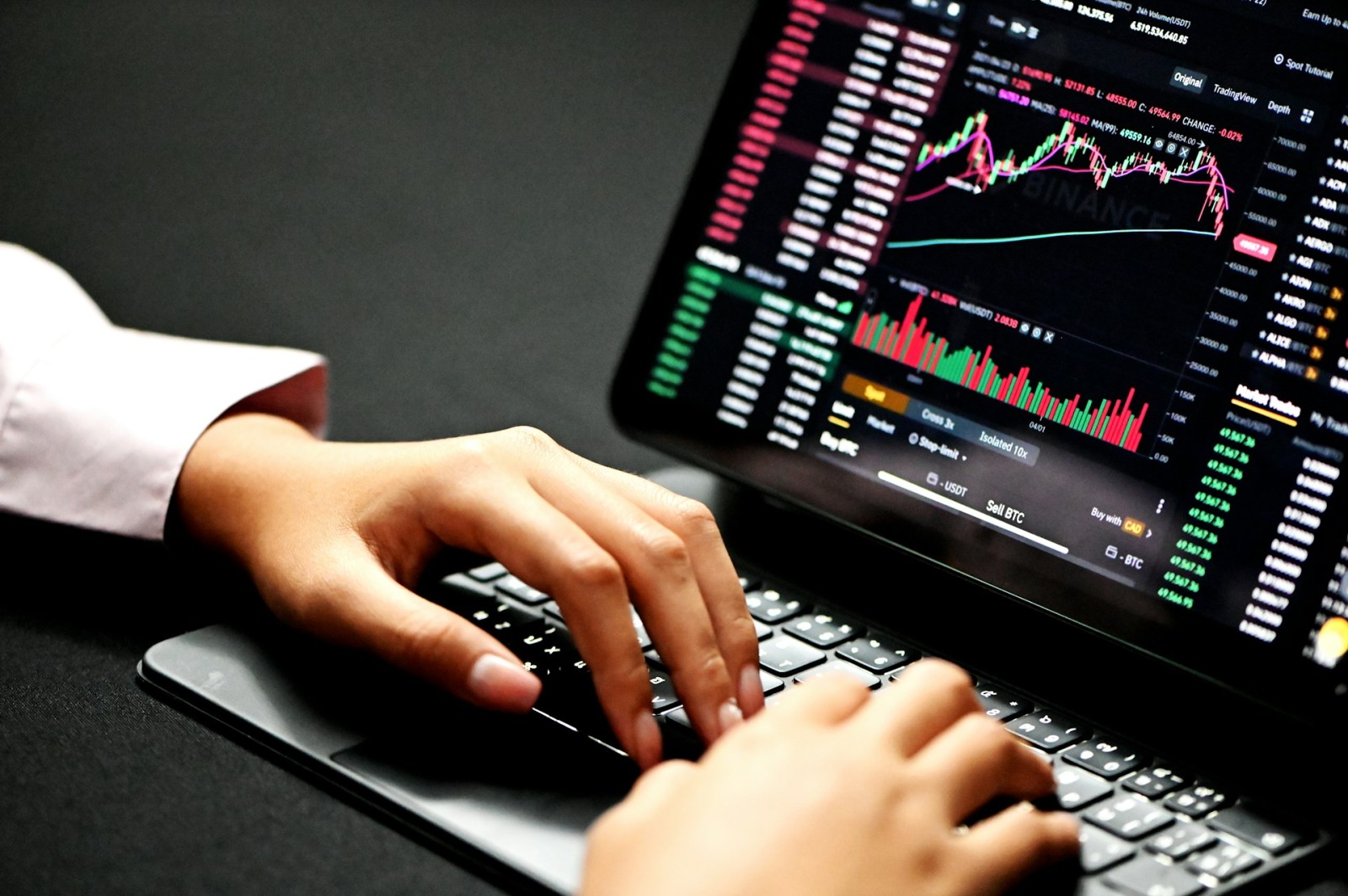
As more prop firms enter the market, traders also expect smoother platforms, faster support, cleaner dashboards, and reliable account management systems from the firms they join. This is where prop trading software solutions come into the picture.
Some platforms focus on automation and challenge management, while others specialize in analytics, trader monitoring, integrations, or backend operational tools. Keep reading to learn more about the top five prop trading software solutions gaining attention in 2026 and what makes each one stand out.
What Are Prop Trading Solutions?
Prop trading solutions are software platforms built to help proprietary trading firms manage their daily operations, funded trader programs, evaluations, and backend systems more efficiently. These platforms usually handle the technical side of running a prop firm, allowing businesses to manage large numbers of trader accounts without relying heavily on manual processes.
Most prop trading solutions combine several systems into one centralized platform. This often includes trader dashboards, challenge and evaluation tracking, drawdown monitoring, payout management, analytics, account progression systems, and risk controls tied to funded trading programs.
Modern prop trading software also helps firms automate tasks that would otherwise take significant time to manage manually. Daily loss limits, consistency rules, challenge objectives, trader progression, and payout eligibility can all be monitored automatically through backend systems. Some platforms also support CRM systems, payment integrations, affiliate management tools, multi-platform trading environments, and operational reporting features, depending on the provider’s setup.
How Software Platforms Support Prop Firms
Modern prop trading firms often manage large amounts of trader activity daily, especially once challenge programs and funded accounts begin scaling.
Here are some of the main ways prop trading software supports prop firms:
Challenge and Evaluation Tracking
Most prop firms operate using challenge-based funding models where traders must follow specific profit targets and risk rules before receiving funded accounts.
Software systems help monitor daily drawdown limits, maximum loss thresholds, consistency requirements, trading activity, and challenge objectives automatically. This reduces the need for manual account reviews and helps firms manage larger numbers of traders more efficiently.
Trader Dashboard Management
Most software platforms provide centralized dashboards where traders can monitor account status, challenge progress, payouts, drawdown limits, trading history, and account metrics in real time. Cleaner dashboards often help reduce support requests because traders can access important account information directly.
Risk Monitoring and Account Controls
Software platforms help firms monitor trading activity, detect rule violations, apply restrictions automatically, and manage funded account risk more efficiently. Some systems also support automated actions tied to daily loss limits, account breaches, inactivity rules, or restricted trading behavior.
Automation and Operational Workflows
Most prop trading software systems support automation features tied to trader onboarding, account creation, challenge progression, payout approvals, notifications, and backend administration.
Analytics and Reporting Tools
Analytics systems help firms monitor trader activity, account performance, challenge completion rates, payout trends, and operational data across the platform.
These insights may help firms identify trader behavior patterns, manage operational decisions, and monitor overall platform activity more closely as the business grows.
Platform Integration and Scalability
Software providers often support integrations tied to trading platforms, CRM systems, affiliate programs, payment gateways, and reporting tools. This allows firms to manage different parts of their operations within a more centralized infrastructure while scaling more smoothly over time.
5 Best Prop Trading Software Solutions in 2026
Most platforms include backend automation, analytics systems, challenge management tools, CRM integration, payout infrastructure, and risk monitoring features designed specifically for funded trading programs.
Here are 5 prop trading software solutions worth considering in 2026:
1) Trade Tech Solutions
Trade Tech Solutions focuses specifically on backend technology and operational systems designed for prop trading firms. Their platform includes trader dashboards, challenge management systems, payout tracking, affiliate management tools, CRM integration, analytics dashboards, and operational automation tied directly to funded trading programs.
One detail that stands out is the flexibility of customization. Different prop firms often operate with unique challenge rules, scaling plans, payout structures, and risk limits. Trade Tech Solutions supports a configurable infrastructure that allows firms to tailor systems around their business model rather than relying entirely on fixed templates.
The company also highlights automation tools intended to simplify trader onboarding, account progression, operational workflows, and backend administration. Their ecosystem supports multi-platform integration, payment connectivity, reporting systems, and trader lifecycle management tools that may help firms handle growing trader activity more efficiently.
Another notable feature is their focus on prop firm scalability. Their infrastructure is designed to support firms moving from startup stages into larger, funded trading operations without constantly rebuilding backend systems as account volumes increase.
2) FPFX Tech
FPFX Tech remains one of the most recognized names in prop trading technology infrastructure. The company focuses heavily on funded account operations, trader evaluations, backend automation, and challenge management systems built specifically for prop trading firms.
Their platform includes CRM systems, trader dashboards, payout management tools, affiliate tracking, account progression automation, and risk monitoring systems connected to evaluation-based funding models.
One of their more recognizable technologies is their prop trading operational infrastructure supporting funded account programs and trader lifecycle management. The platform helps firms automate challenge verification, account progression, rule enforcement, and trader management processes across funded account environments.
FPFX Tech also emphasizes integration flexibility. Their systems support several commonly used trading environments across the forex and CFD prop trading space, allowing firms to operate challenge programs across different trading setups.
3) Brokeree Prop Pulse
Brokeree’s Prop Pulse platform focuses on automation and trader lifecycle management within MetaTrader environments. The software was developed to help prop firms and brokerages launch challenge-based funded account programs through automated monitoring systems and backend operational tools.
Prop Pulse supports automatic challenge verification, account progression tracking, drawdown monitoring, rule enforcement, and funded account transitions based on predefined evaluation requirements. The platform also provides trader analytics, operational reporting tools, risk monitoring systems, and account management features.
Brokeree places strong focus on MetaTrader 4 and MetaTrader 5 integration support, which remain widely used throughout forex and CFD prop trading operations globally.
Automation remains one of the strongest areas within the platform, particularly for firms wanting to reduce manual monitoring across challenge-based funding programs.
4) Axcera
Axcera positions itself as a fintech infrastructure provider supporting prop firms, brokerages, and trading businesses through customizable backend technology systems. Their platform includes trader onboarding systems, challenge management infrastructure, account monitoring tools, CRM integration, payment systems, analytics dashboards, and operational management features.
Different prop firms often operate with different evaluation phases, payout structures, scaling systems, and trader restrictions. Axcera supports configurable operational setups that allow firms to build systems around their preferred funding model.
The company also emphasizes centralized infrastructure management designed to simplify backend administration across multiple operational components. Axcera also supports automation workflows tied to account management, trader progression, onboarding, and operational processes, which becomes increasingly useful as funded account programs continue scaling.
5) Leverate
Leverate has operated within the trading technology industry for years and remains one of the more established infrastructure providers supporting brokerages and prop trading firms globally.
Their ecosystem includes trading platforms, CRM systems, client portals, payment integration, affiliate tools, operational automation, and backend management systems designed for trading businesses.
Leverate supports forex, CFDs, crypto, commodities, and indices, depending on the operational structure of the prop firm. The company also places a strong focus on branded trading environments and operational scalability. Their systems support trader onboarding, account management, reporting tools, client management, and backend automation through centralized infrastructure.
Leverate’s long-standing presence within the brokerage technology sector also gives the company stronger recognition compared to many newer providers entering the prop trading software space more recently.
Key Platform Differences To Compare
Looking at the differences side by side can make it easier to spot which platform fits a firm’s operational goals more closely.
Here is a closer comparison:
| Provider | What Stands Out | Things To Consider |
| Trade Tech Solutions | Flexible prop firm infrastructure, automation tools, trader dashboards, payout systems, and customizable operational workflows | Better suited for firms wanting tailored backend systems rather than fixed templates |
| FPFX Tech | Strong focus on funded account operations, trader evaluations, CRM systems, and account progression automation | Mainly centered around evaluation-based prop trading models |
| Brokeree Prop Pulse | Automated challenge tracking, drawdown monitoring, trader analytics, and strong MT4/MT5 integration | Best suited for firms operating within MetaTrader environments |
| Axcera | Scalable backend infrastructure, centralized management tools, onboarding systems, and customizable workflows | Larger operational systems may feel more advanced for smaller startups |
| Leverate | Multi-asset trading support, branded trading environments, CRM systems, and brokerage technology experience | Broader brokerage ecosystem may not appeal to firms wanting prop-only infrastructure |
Pick The Best Prop Trading Software Solution
Prop trading firms now rely heavily on software systems that can handle automation, trader management, risk controls, analytics, and backend operations smoothly as account activity grows. Traders also expect cleaner dashboards, reliable challenge tracking, faster payouts, and stable platform performance from the firms they join.
The right software solution often depends on how a prop firm plans to operate long-term. Some firms prioritize flexibility and customization, while others focus more on automation, scalability, integrations, or multi-asset support.
As the prop trading industry continues expanding, backend technology is becoming one of the biggest factors shaping trader experience and operational efficiency. Firms operating with stable infrastructure and smoother systems are often better positioned to grow, manage larger trader volumes, and stay competitive in 2026.
 Editorial staff