Alex Dudov
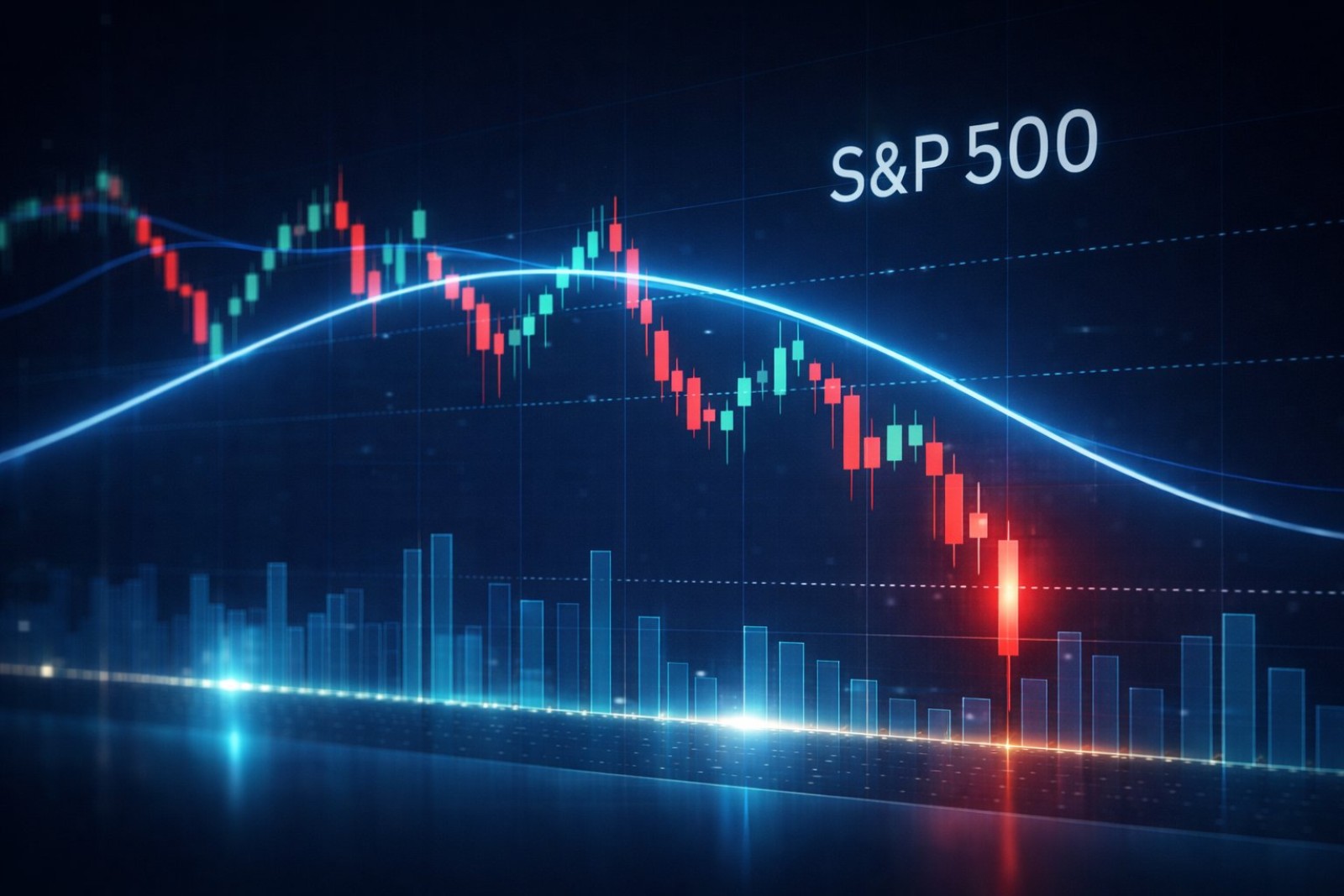
⬤ The SPDR S&P 500 ETF Trust has triggered a notable technical signal after recording consecutive closes below its 100-day moving average. This is the first time since May that the ETF has finished multiple sessions under this widely watched trend indicator. The move follows a prolonged rally that carried SPY close to the upper end of its recent range before momentum began to fade near key resistance.
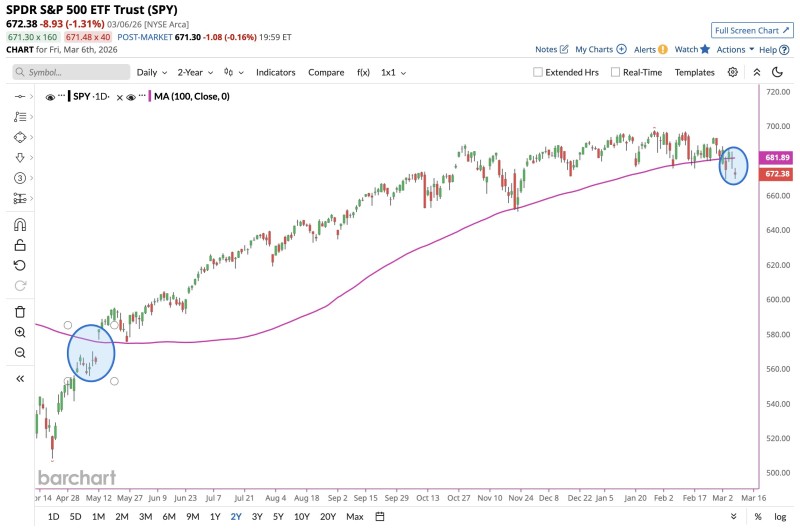
⬤ The chart shows SPY trading around $672, while the 100-day moving average sits near $681.9, placing the ETF clearly beneath the trend line. Over the past two years, SPY has generally held above this indicator during strong bullish phases, with the moving average acting as dynamic support. Breaks below such levels tend to attract attention from technical traders who monitor shifts in intermediate momentum, and consecutive daily closes below the average confirm the signal.
Repeated tests of key levels can influence market direction — and how SPY behaves around this trend line may shape near-term expectations for the broader U.S. stock market.
⬤ The broader chart structure shows how SPY climbed steadily from the mid-$500 range toward levels near $700 before entering a consolidation phase. Recent candles show increasing volatility near the top of the range, eventually pushing SPY below the moving average. The index had been consolidating near the $688-$690 resistance zone following a strong recovery move, and the repeated tests of that level ultimately gave way.
⬤ The latest break places SPY in a technically sensitive zone. Moving averages like the 100-day MA are commonly used to evaluate intermediate market direction, and consecutive closes below them can shift sentiment across equity markets. Analysts also note that underlying weakness has occasionally appeared beneath the surface of the index, with 115+ S&P 500 stocks declining 7% or more even while the broader index traded near record highs. Whether SPY can reclaim the 100-day average — or continue sliding as it did below the 50-day — will likely determine near-term market tone.
 Alex Dudov