Sergey Diakov
In 2025 the movement of goods across the world continued at a higher rate than many analysts predicted. Although governments increased taxes on imports and political disagreements occurred, global trade grew more quickly than the total world economy according to a 2026 report by the McKinsey Global Institute. By this time the United States, China and the European Union moved their trading activities toward countries that share similar political goals.
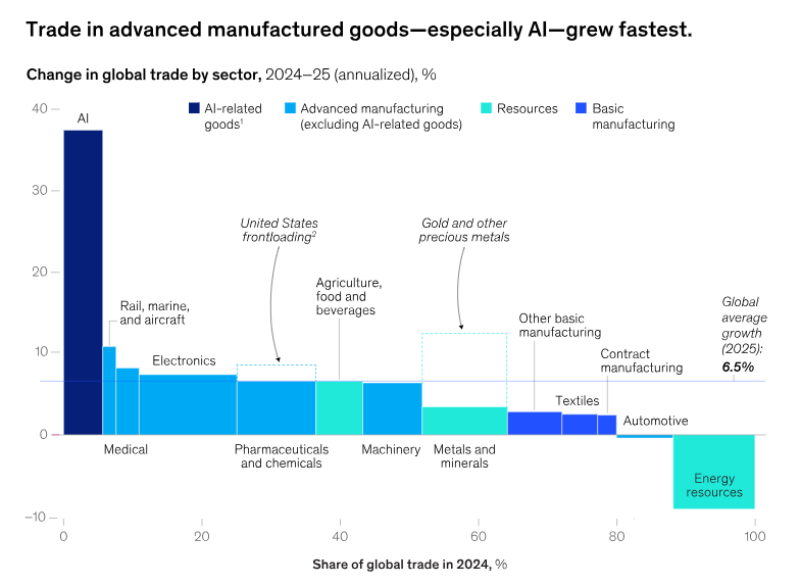
With the rise of artificial intelligence, the demand for hardware became a primary reason for this growth. It is estimated by McKinsey that chips, servers and equipment for data centers represented one third of the total increase in world trade. As companies built more infrastructure for AI, the trade of those specific goods increased by nearly 40 %. For comparison the general rate of growth for all traded goods was approximately 6.5% during the year.
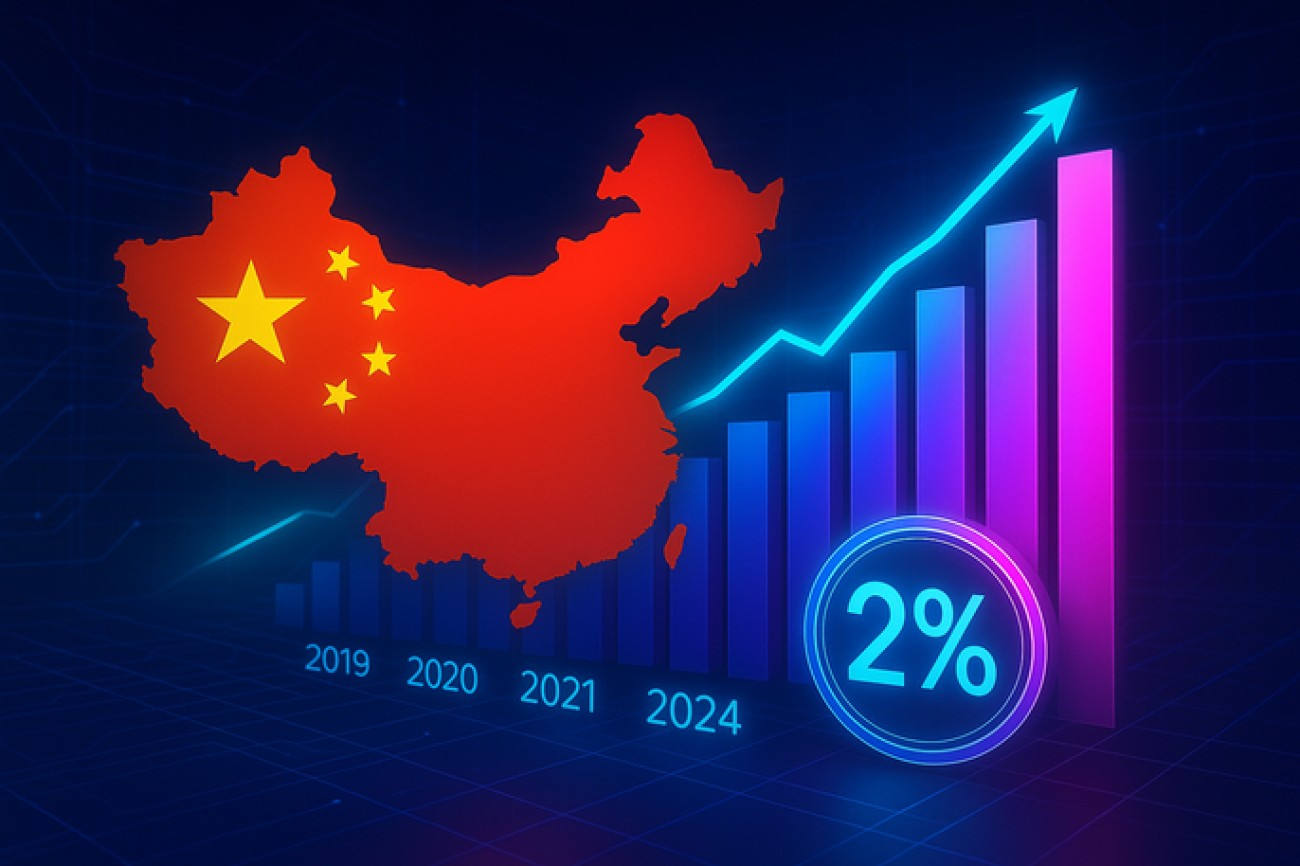
On the subject of import taxes, the costs significantly changed how goods move between nations. Due to those policies, the value of trade between the United States besides China decreased by about 30 %. When $165 billion in goods no longer moved between the two countries, the United States bought products from different suppliers instead. At the same time Chinese companies lowered their prices in other parts of the world because they had less access to the American market. To manage those changes, the ASEAN region increased its trade with both the United States or China - but the European Union experienced difficulty because it faced higher American taxes and a larger volume of Chinese products.
As stated in the report, the function of China in world manufacturing is now different. It is no longer just a provider of finished products for consumers. China is a “factory to the factories” that sends more parts for industry, expensive equipment and machines to countries with developing economies.
And the findings from McKinsey show that world trade is not becoming smaller. It is however, divided into more specific groups based on national strategies. If businesses want to succeed, they must plan their supply chains for the long term while remaining ready to change quickly - those new routes for trade are the result of AI needs, growth in emerging markets and political partnerships.
 Sergey Diakov