Victoria Bazir

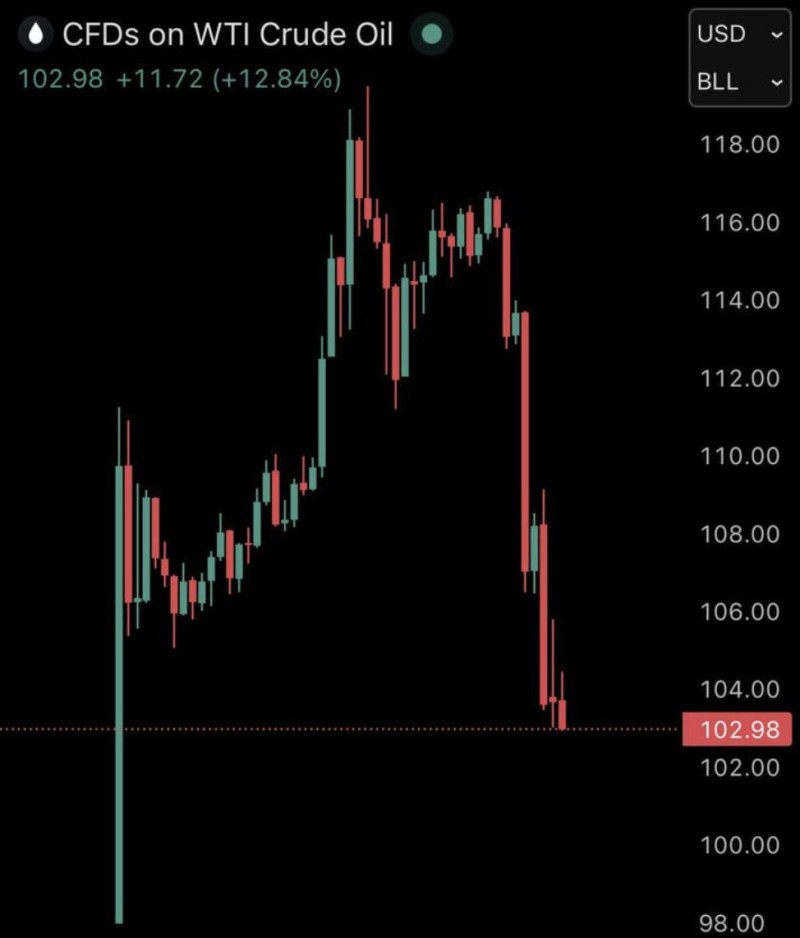
Energy markets were rocked after reports emerged of a sweeping strategic petroleum reserve release coordinated among G7 nations. WTI crude oil fell roughly 12% in a short window, with the price collapsing from near the $118 level down to around $102.98. What started as a strong uptrend reversed violently, with a rapid series of large red candles dominating the chart and catching many traders off guard.
The trigger was a G7 announcement of plans to release approximately 400 million barrels from strategic petroleum reserves, a move designed to ease supply pressure and cool prices. Supply-side developments and technical levels can quickly flip oil market momentum, and this episode was a textbook example of just how fast sentiment can turn.
Why Strategic Reserve Releases Hit Oil Markets So Hard
Strategic petroleum reserves exist as a buffer against severe supply disruptions or sudden price spikes. When governments coordinate a large release, markets interpret it as a direct intervention in the supply-demand balance.
A combined release of hundreds of millions of barrels signals not just added supply, but political will to cap prices, which shifts trader expectations rapidly and often triggers cascade selling. WTI Oil Price Analysis: Crude Breaks $65.39, Eyes $68-$69 Level looks at how these dynamics play out at key technical levels.
Oil markets have reacted strongly to these types of interventions because they directly affect expectations for future supply and pricing.
As Oil Prices Jump 4.6% in January 2026 After Five-Month Slide shows, crude benchmarks are highly sensitive to shifts in supply conditions, and a coordinated government action of this scale carries far more weight than typical market fluctuations.
Broader Market Ripple Effects and What Comes Next
Oil is not just an energy commodity. It is a barometer for the entire global economy. Moves of this magnitude in WTI crude spill into equity markets, currency pairs, inflation expectations, and industrial cost forecasts. The 12% drop in a single session is the kind of event that reassesses risk across multiple asset classes simultaneously.
Looking further ahead, WTI Oil Tests Multi-Decade Trendline as Energy Rebound Narrative Builds provides useful context on the structural macro forces that shape longer oil price cycles. For now, the sharp pullback is a reminder that policy decisions can override technical setups overnight, and energy markets remain one of the most politically sensitive asset classes in the world.
 Victoria Bazir