Alex Dudov
- Eric Trump's First Job: Lawns, Tiles, and Learning the Hard Way
- Who Is the CEO of the Trump Organization: How Eric Built 21 Golf Clubs from 3
- Eric Trump's Salary and Net Worth Before the Crypto Boom
- American Bitcoin and the $2 Billion Leap in 2025
- Eric Trump's Philosophy: What He Believes It Actually Takes to Succeed
People ask who is the CEO of the Trump Organization and the answer is a little more complicated than a single job title. Donald Trump is the owner, but Eric Trump is the one who actually runs things day to day. He has been the operational engine of the family business since 2006, managing everything from golf course renovations to billion-dollar hotel deals. He was born on January 6, 1984, in New York City, grew up trailing his father across construction sites, and by high school had already decided there was nowhere else he wanted to be. Today, at 41, he sits at the center of one of the most recognized real estate brands in the world, and in 2025 his personal net worth crossed into territory few had expected: around $2 billion.
Eric Trump's First Job: Lawns, Tiles, and Learning the Hard Way
Before the skyscrapers and the resorts, Eric was mowing lawns and laying tiles on his father's properties. That is not a metaphor. He genuinely did physical labor on Trump job sites as a kid, which is how Donald Sr. introduced him to the business. By the time he arrived at The Hill School, a boarding prep institution he graduated from in 2002, he had more hands-on exposure to construction and property management than most people accumulate in an entire career.
When it came to college, he went a different direction from his older siblings. Donald Jr. and Ivanka both chose the University of Pennsylvania's Wharton School. Eric went to Georgetown University instead, graduating in 2006 with a degree in finance and management. That same year he joined the Trump Organization full time. One of his earliest and boldest calls came just two years later, when the 2008 financial crisis hit and real estate prices collapsed across the country. While plenty of people were pulling back and waiting it out, Eric pushed hard internally to buy as much distressed property as possible. The organization listened, and those acquisitions ended up paying off significantly as the market came back.
Who Is the CEO of the Trump Organization: How Eric Built 21 Golf Clubs from 3
The clearest way to measure what Eric Trump has actually built inside the Trump Organization is to look at Trump Golf. When he took over its management in 2006, there were just three properties. By the mid-2020s that number had grown to 21 world-class clubs spread across the United States, Europe, Asia, and the Middle East. That kind of growth does not happen without someone spending years on the ground, brokering deals, managing major renovations, and keeping a brand consistent across very different markets and cultures.
Two projects in particular define his track record. He personally led the £200 million restoration of Trump Turnberry in Scotland, a legendary course that has hosted four Open Championships. He also oversaw the $250 million revitalization of Trump National Doral Miami. Both became genuine reference points for what luxury golf hospitality can look like when serious money and real attention go into it. Eric also played a founding role in building Trump Hotels into an award-winning brand with flagship properties in New York, Chicago, Las Vegas, Miami, Ireland, and Scotland. In 2022, he led the sale of Trump International Hotel in Washington, D.C., which set the record for the highest price per key ever paid for a leasehold interest in U.S. hotel history, earning the deal "Hotel Transaction of the Year" from the American Lodging Investment Summit.
Eric Trump's Salary and Net Worth Before the Crypto Boom
For most of his career, Eric's money came from his executive role at the Trump Organization. His annual salary there sits at roughly $3 million, and over the years he has built up around $30 million in organizational assets on top of that base. In 2012, Forbes put him on its Top 30 Under 30 list in real estate, an acknowledgment that people in the industry were already taking him seriously before he hit 30. His personal net worth at that point was modest by Trump family standards, probably somewhere in the $20 to $50 million range, most of it tied up in stakes across family holdings.
By 2024, before the crypto story took over, estimates put his wealth between $300 million and $500 million. That was still built almost entirely on real estate: hotel equity, golf course valuations, residential assets, and his slice of the broader Trump portfolio. He also runs Trump Winery in Charlottesville, Virginia, the largest vineyard on the East Coast, which has won multiple gold medals and international awards. Wine Enthusiast Magazine named him "Rising Star of the Year" in 2013, a recognition that had nothing to do with his last name and everything to do with what he actually built there.
American Bitcoin and the $2 Billion Leap in 2025
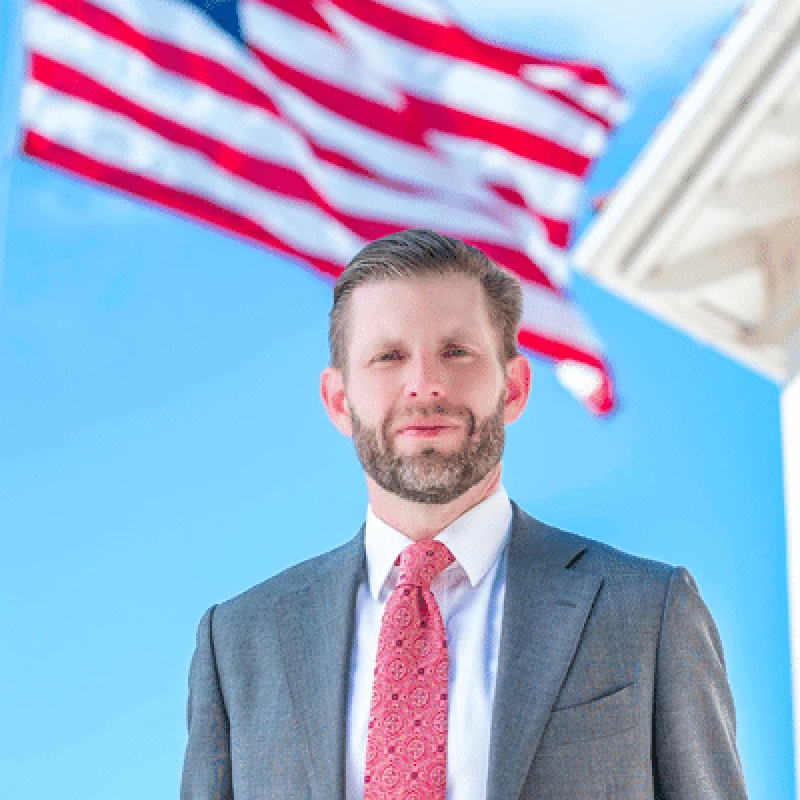
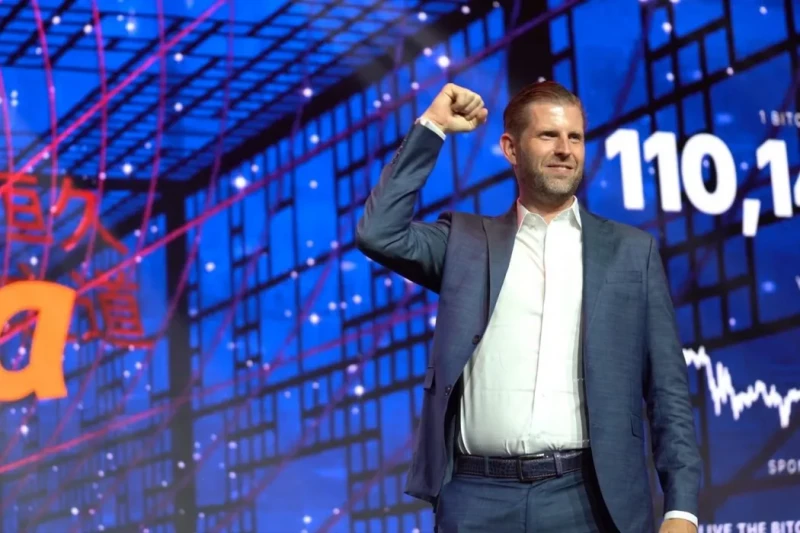
The most dramatic chapter of Eric Trump's financial life unfolded quickly. In 2025, he and his brother Donald Trump Jr. co-founded American Bitcoin, a cryptocurrency mining and treasury company created through a merger with Gryphon Digital Mining. The company debuted on the Nasdaq under the ticker ABTC and immediately generated enormous attention. At its peak, shares hit $14.52, pushing the market cap to $7.7 billion. Eric and Donald Jr. held a combined 20% stake, and at those prices Eric's personal share was valued at close to $950 million. He briefly crossed into billionaire territory, joining a small and unexpected club of crypto billionaires in a matter of weeks.
The Trump family also launched World Liberty Financial, a decentralized finance platform where Eric played a central strategic role. Token sales from that project brought in more than $80 million for family members, with Eric's allocation adding tens of millions more on paper. By December 2025, after a sharp pullback in ABTC shares, Forbes estimated his net worth at around $400 million. Earlier in the year it had been closer to $750 million. Even at the lower figure, his wealth had grown roughly tenfold since his father returned to the White House in January 2025. Understanding who is the CEO of the Trump Organization in 2026 means understanding someone who is no longer just a real estate executive but one of the more surprising figures in American crypto.
Eric Trump's Philosophy: What He Believes It Actually Takes to Succeed
Eric has been fairly consistent over the years about what separates people who build real things from those who just talk about building them. The first thing is showing up. He visits properties in person and does it regularly, arguing that physical presence creates accountability that you simply cannot replicate by sending emails from an office. He grew up watching his father operate that way, and he has carried it through his entire career. The second is timing. The 2008 crisis acquisitions were not luck. They were deliberate, driven by a belief that fear creates opportunity and that the people who move when others are frozen tend to come out ahead.
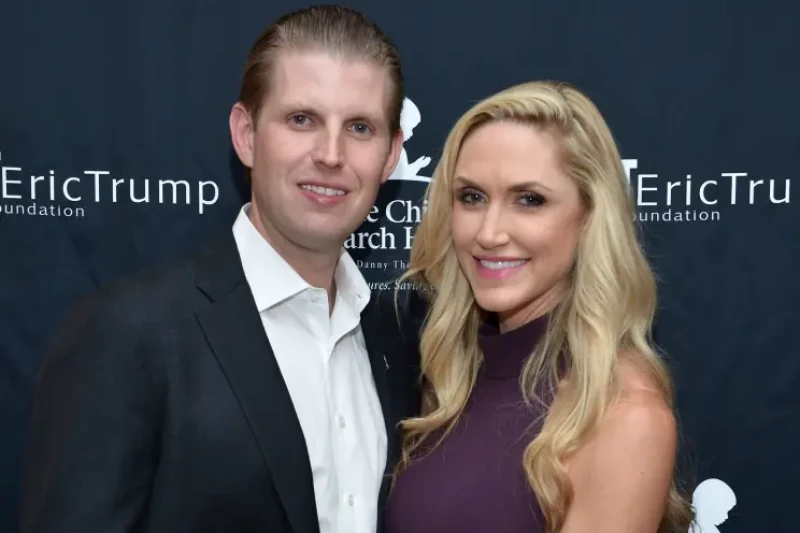
On crypto, he has framed the pivot the same way, as a recognition that something transformative was happening and that sitting it out would be the same kind of mistake as ignoring the internet in the 1990s. Beyond business, he founded the Eric Trump Foundation at 21, which has raised more than $50 million for St. Jude Children's Research Hospital. The hospital opened a surgical ICU named in his honor. His view on what success is actually worth tends to be practical: build things that work, that last, and that do something real. Whether that is a golf resort, a hospital wing, or a Bitcoin mining company, the logic behind it is the same.
 Alex Dudov