
 Sergey Diakov
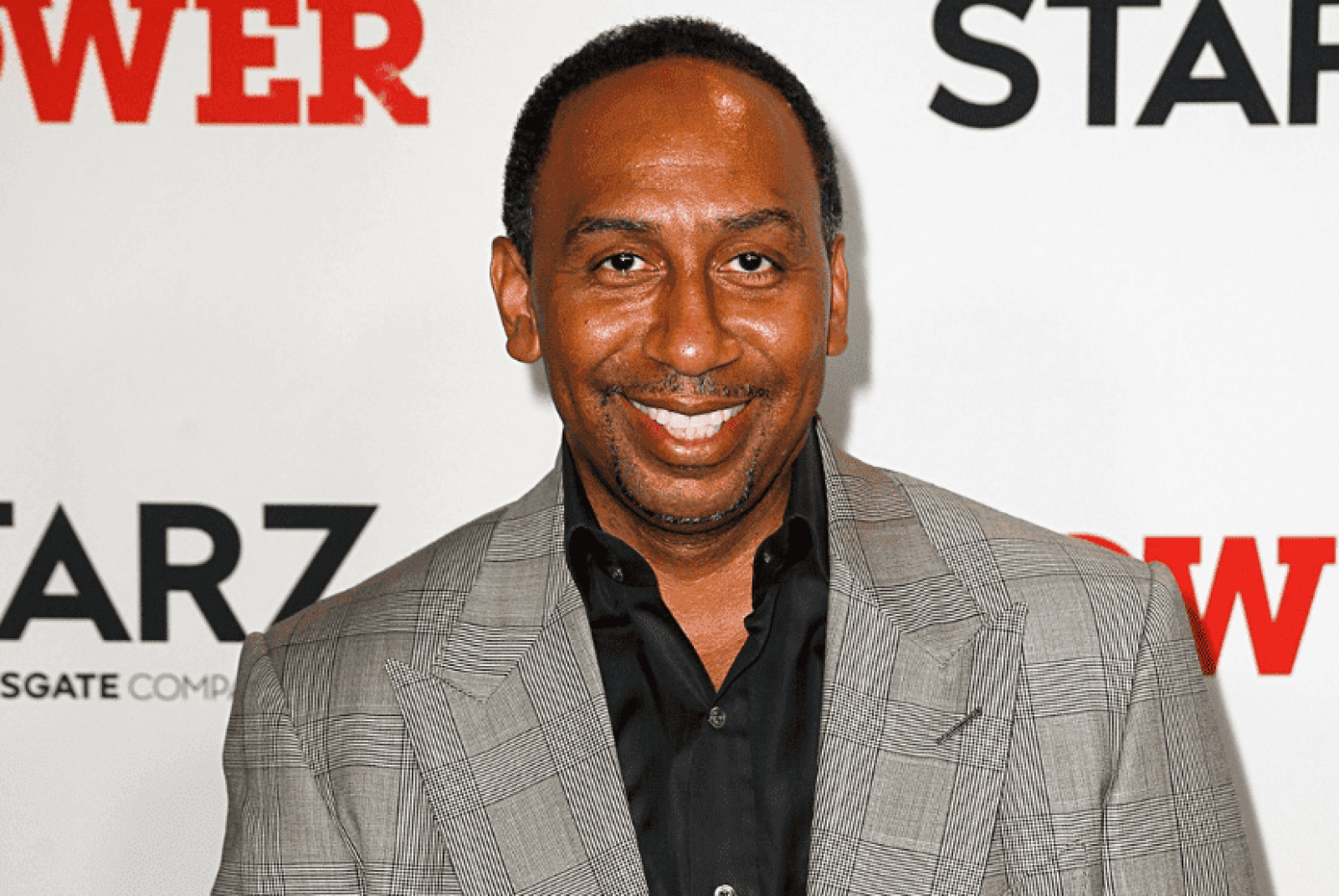
Stephen A. Smith didn't grow up with connections or a safety net. He grew up in Hollis, Queens, as the second-youngest of seven kids, watching his father run a hardware store after years of playing basketball and baseball semi-professionally. Money was never easy, the neighborhood was tough, and if you wanted something different for your life, you had to go get it yourself. That early reality never left him - and it became the engine behind everything that followed.
Stephen A. Smith's First Jobs and Early Career
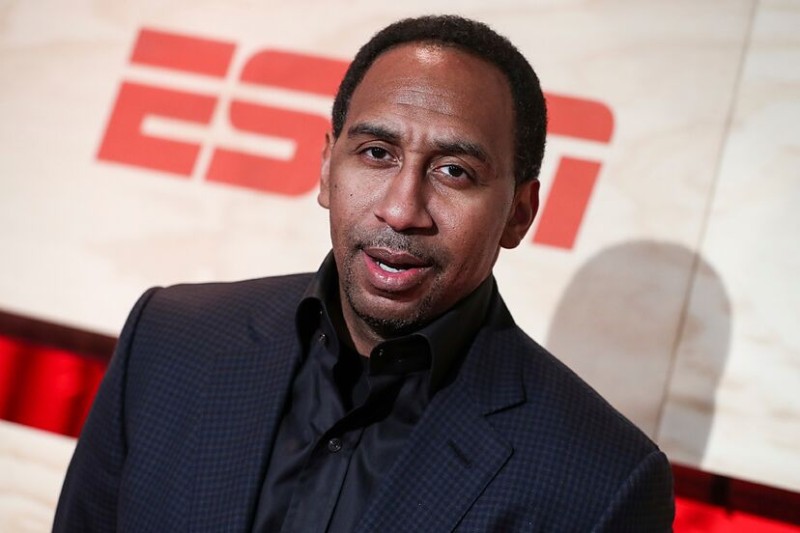
Before anyone knew his name, Smith spent a year at the Fashion Institute of Technology, then earned a basketball scholarship to Winston-Salem State University - an HBCU he still supports financially to this day. When his playing days ended, he didn't have a clear plan, but he had opinions and he knew how to express them. He started writing.
His first real media job came in 1993 at the New York Daily News, covering sports as a reporter. From there he moved to the Philadelphia Inquirer, where he became the beat writer and eventually a columnist covering the Philadelphia 76ers. Those years in print journalism were his foundation. He learned how to build sources, how to break stories, and how to develop a voice sharp enough to cut through the noise. He wasn't making big money - newspaper salaries in the early 1990s were modest at best - but he was building something more valuable than a paycheck. He was building a reputation.
Joining ESPN and the Rise of First Take
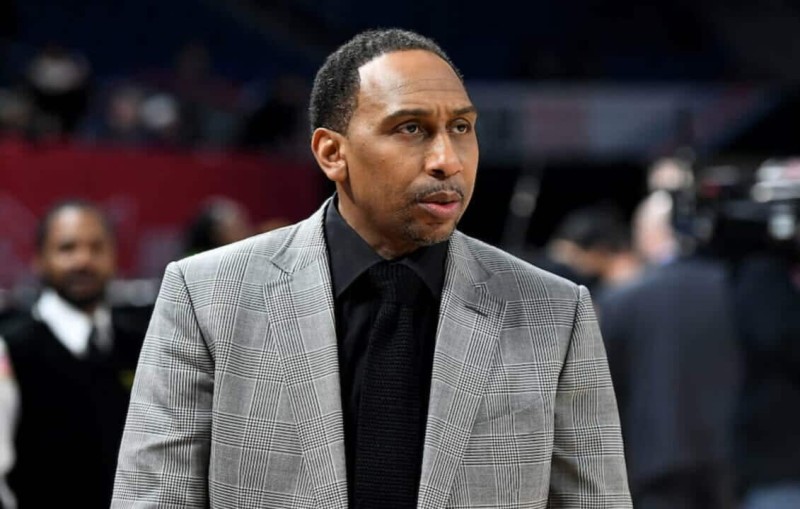
Smith made his move to television in the early 2000s, joining ESPN in 2003 as an NBA analyst. At first it was pregame shows and guest spots - visible enough, but not yet a platform that matched his personality. That changed in 2012 when he became a permanent presence on First Take, the network's flagship debate program.
The chemistry between Smith and Skip Bayless was electric, and not always comfortable. They disagreed loudly, regularly, and memorably - and viewers couldn't look away. First Take went from a solid sports debate show to a genuine ratings phenomenon, and Stephen A. Smith was the reason people kept tuning in. His style - passionate, loud, well-researched, and completely unafraid of controversy - turned him into something rare in sports media: a personality that people had strong feelings about, one way or another.
By 2014, that level of impact came with a price tag. Smith signed a contract worth $3 million per year. A year later, his salary jumped to $5 million annually - a number that held through April 2019.
The Contracts That Defined Stephen A. Smith Net Worth
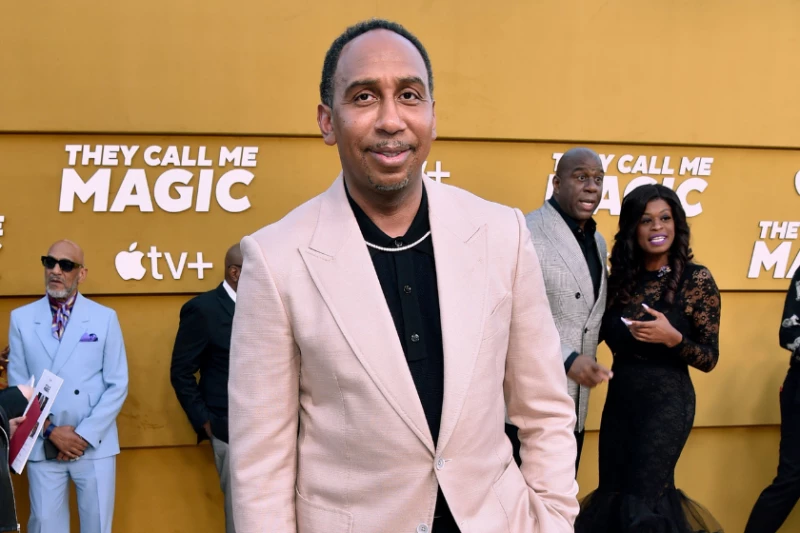
The real turning point came in 2019. ESPN offered Smith a five-year extension worth $60 million - effectively quadrupling what he had been earning before. He signed. And then he kept growing.
By the early 2020s his annual ESPN salary had climbed to around $13 million per year. But the story that really captured people's attention came in 2024, when ESPN reportedly offered him $90 million over five years - $18 million annually. Smith turned it down. He was holding out for $25 million per year and wasn't willing to settle.
Most people would have signed without a second thought. Smith walked away from $90 million and waited. In March 2025, that patience paid off. He signed a five-year, $105 million deal with ESPN worth $21 million per year. On top of that, he locked in a separate three-year deal with SiriusXM worth $12 million annually for his talk show Straight Shooter with Stephen A. Factor in his podcast, YouTube channel, and other ventures, and his total annual earnings are estimated at close to $40 million per year.
As of 2025, Stephen A. Smith's net worth is estimated at $45 million.
How Stephen A. Smith Makes His Money
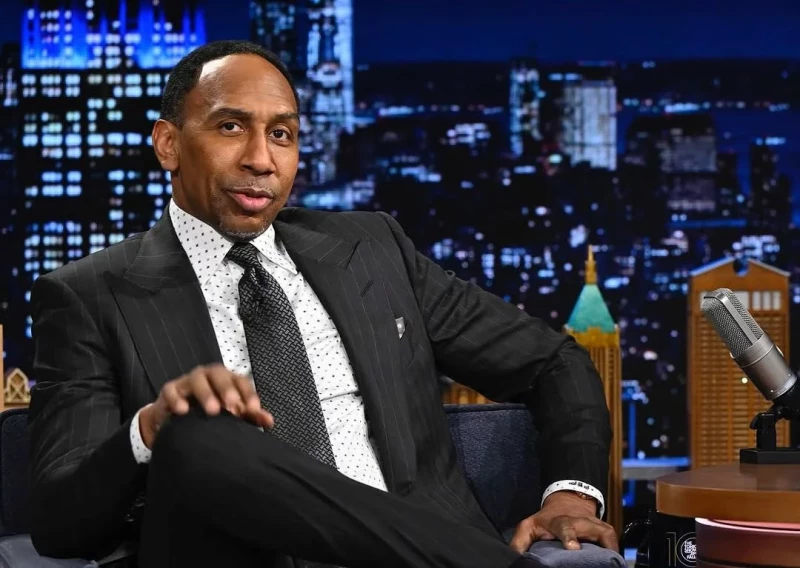
ESPN is his primary income source, but Smith has never relied on a single stream. His revenue picture includes his SiriusXM radio deal, endorsement partnerships with brands like Subway, Five Hour Energy, and Oberto Beef Jerky, acting work including appearances on General Hospital, a role in Chris Rock's film I Think I Love My Wife, and a cameo in Creed III in 2023. His 2023 memoir Straight Shooter: A Memoir of Second Chances and First Takes became a New York Times bestseller and was distributed through his own production company, Straight Shooter Media.
On the real estate side, he paid $7.35 million for a luxury Manhattan apartment in 2018. After signing his new ESPN deal, he reportedly purchased a 7,232-square-foot home in New Jersey for around $2.7 million.
Stephen A. Smith's Principles for Success
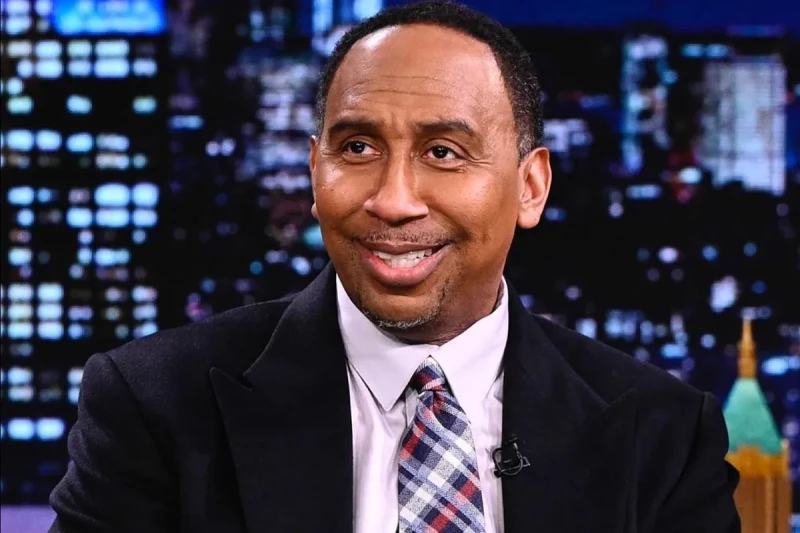
What separates Smith from the hundreds of sports commentators who came and went over the same period isn't just talent - it's a specific way of thinking about work, value, and longevity.
He has spoken openly about growing up poor and how that experience never stopped motivating him. The fear of losing everything, even when you have more than enough, keeps you sharp. That mindset drove him to prepare harder, speak louder, and refuse to accept less than he believed he was worth.
His approach to career building comes down to a few consistent ideas. He never tried to sound like anyone else - his voice, abrasive and authentic, became the brand itself. He built multiple income streams before he needed them, not after. He held firm on his market value even when it cost him in the short term. And he stayed visible, relevant, and willing to evolve - moving from newspapers to television to radio to podcasts to acting without losing the core identity that made people pay attention in the first place.
He also gives back with intention. He has stated publicly that he donates a minimum of $50,000 to $100,000 per year to Winston-Salem State University and has been a long-time supporter of HBCU causes more broadly.
Stephen A. Smith went from a kid in Queens writing about basketball for local papers to one of the highest-paid media personalities in the country. The number - $45 million - is impressive. But the discipline, the self-belief, and the refusal to settle that built it are the real story.
 Sergey Diakov



