Saad Ullah
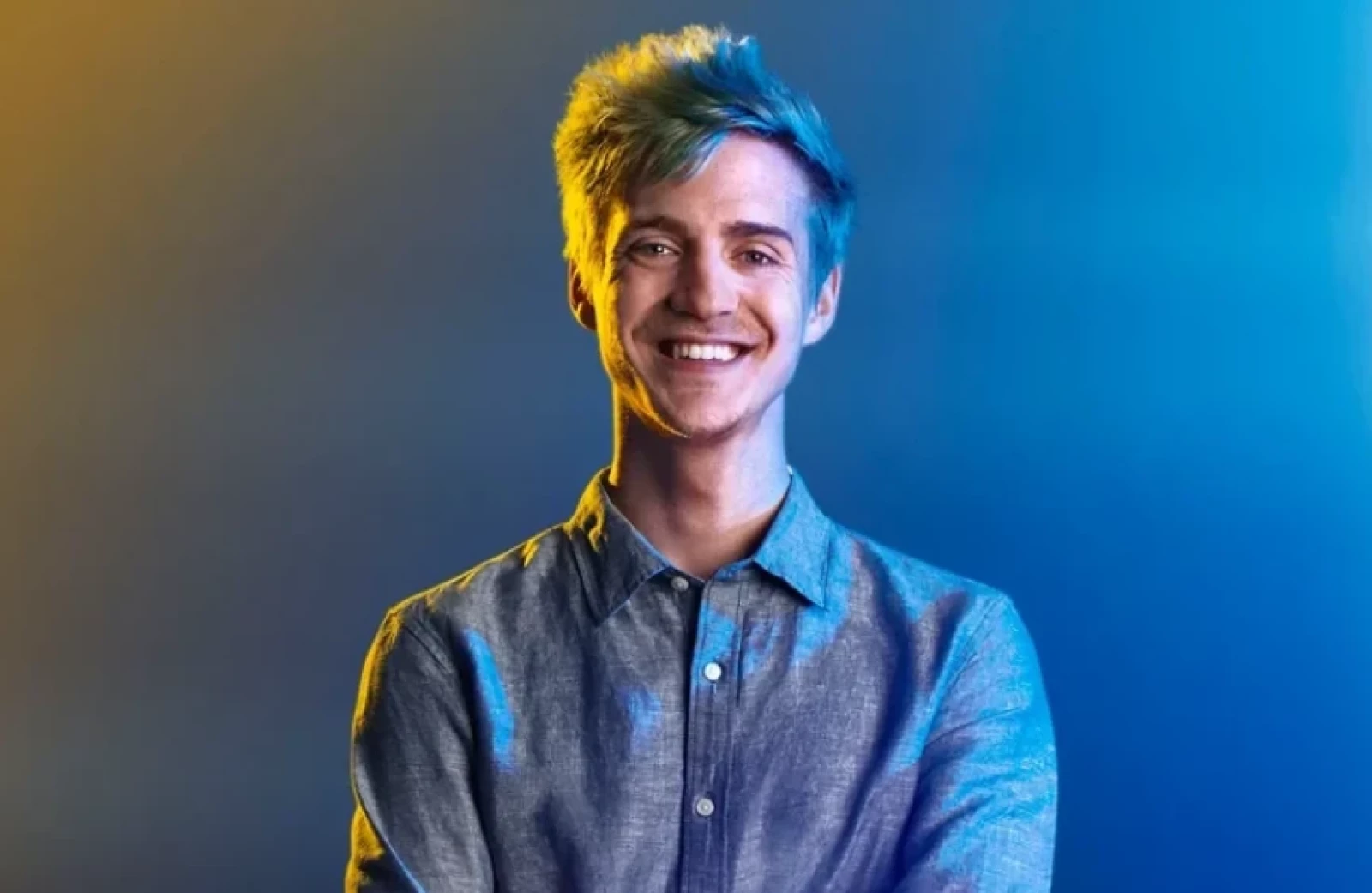
Most people know Ninja as the guy with the blue hair who broke Twitch records playing Fortnite with Drake. But the actual story of how Tyler Blevins built his wealth is a lot more interesting than a single viral moment. It took about a decade of grinding through Halo tournaments, working fast food shifts, and streaming to a handful of viewers before things really took off. By the time the world caught on, he had already done most of the hard work.
Where It All Started: Fast Food, College, and $100-a-Day Streams
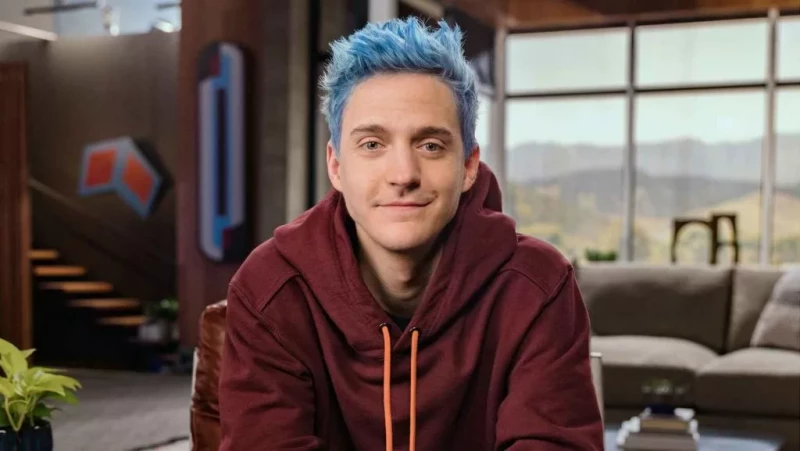
Tyler Blevins was born on June 5, 1991, in Detroit, Michigan, and grew up in the Chicago suburb of Grayslake, Illinois. His father got him into video games around age 10, and it stuck - badly enough that by the time he finished high school, gaming wasn't just a hobby anymore. He briefly enrolled at Silver Lake College in Wisconsin on a soccer scholarship in 2009, but the competitive gaming scene was already pulling him in another direction.
During that period, he was working at Noodles & Company - a fast casual restaurant chain - to cover his expenses. That was his first real job. He wasn't some prodigy who skipped straight to stardom. He was a college kid juggling work, school, soccer, and Twitch streams all at once, making around $100 a day from gaming while the rest of his life stayed completely normal. He's been open about the fact that he kept all of it going at the same time on purpose - he didn't want to bet everything on gaming until it was actually paying off.
His first competitive appearance was at a Halo 3 tournament in Orlando in 2009. By 2011, he was traveling to events in Dallas, Columbus, and Anaheim, winning consistently, and slowly building a reputation. In 2012, his team won the Halo 4 MGL Fall Championships, with Blevins finishing at the top of the leaderboard in the final match. Over his competitive career he racked up $280,313 in tournament prize money across 53 events - not life-changing money, but enough to prove he was the real thing.
How Ninja's Career and Earnings Grew Year by Year
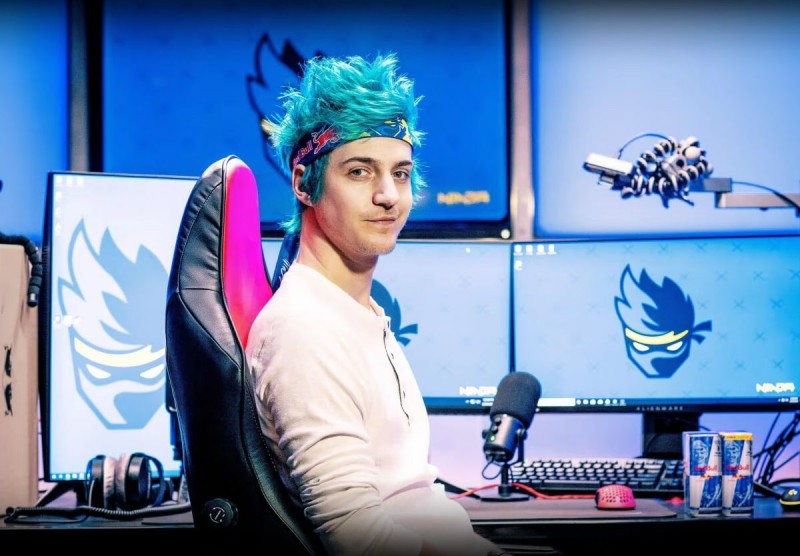
After years in the Halo competitive scene, playing for organizations like Cloud9, Team Liquid, and Renegades, Blevins made a deliberate shift toward streaming. In 2017 he moved to H1Z1, then PUBG, steadily growing his follower count through long sessions and a naturally entertaining presence on camera. When Fortnite exploded in late 2017, he was already there - and he went all in.
The results were staggering. His Twitch following went from 500,000 in September 2017 to 2 million within six months. His YouTube channel took off at the same time. By 2018 he had turned into something that didn't really exist before - a mainstream celebrity who happened to play video games for a living. ESPN put him on its magazine cover, making him the first esports player to receive that honor. Time magazine included him in its World's 100 Most Influential People list that same year. At that point, Ninja net worth was climbing fast, and the biggest payday was still ahead.
Ninja's Peak: $500K a Month and a $40 Million Mixer Payout
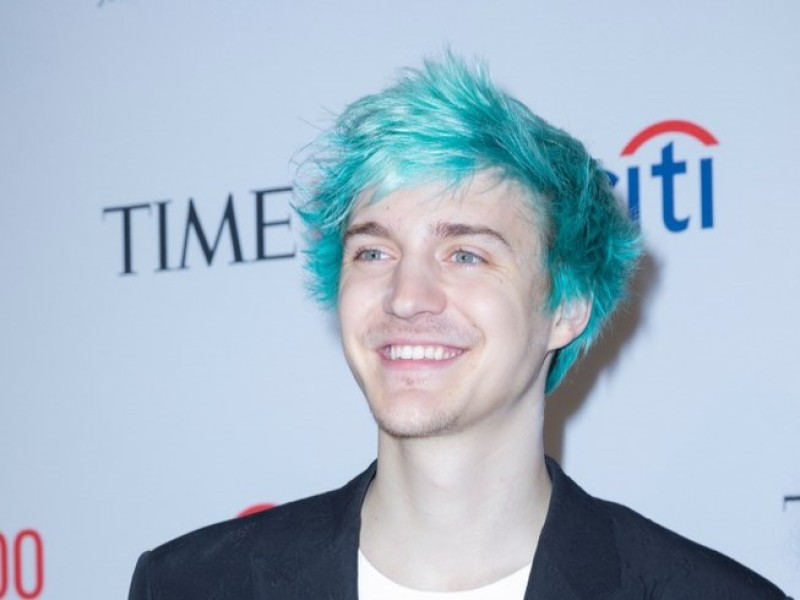
At his absolute peak in 2018, Ninja was pulling in around $300,000 per month from Twitch subscriptions alone. Factor in YouTube ad revenue, viewer donations, and brand deals, and total monthly earnings were reportedly hitting $500,000 - sometimes doubling that in his best months. EA paid him $1 million just to stream Apex Legends on its launch day. Red Bull signed him, put his face on cans, and built him a custom streaming room. He appeared in a Super Bowl ad. Adidas launched a sneaker collaboration with him. The endorsement deals alone would have been a career for most people.
Then came the Mixer deal. In 2019, Microsoft signed him to an exclusive streaming contract on its platform. The deal itself was estimated at around $10 million. When Microsoft shut Mixer down in 2020, Blevins walked away with a reported buyout believed to be somewhere between $30 and $40 million. Combined with everything he had already built, that single deal transformed his financial position entirely. His total revenue streams at peak looked something like this:
- Twitch subscriptions - three-tier system, retaining 70% per subscriber
- YouTube ad revenue across 23.7 million subscribers
- Brand sponsorships: Red Bull, EA, G-FUEL, Adidas, and others
- Merchandise through his Team Ninja apparel line
- Book royalties from his 2019 guide "Ninja: Get Good - My Ultimate Guide to Gaming"
- Esports prize money: $280,313 across 53 tournaments
- The Mixer contract and subsequent buyout: estimated $30 to $40 million total
Ninja Net Worth in 2025: $50 Million and Still Building
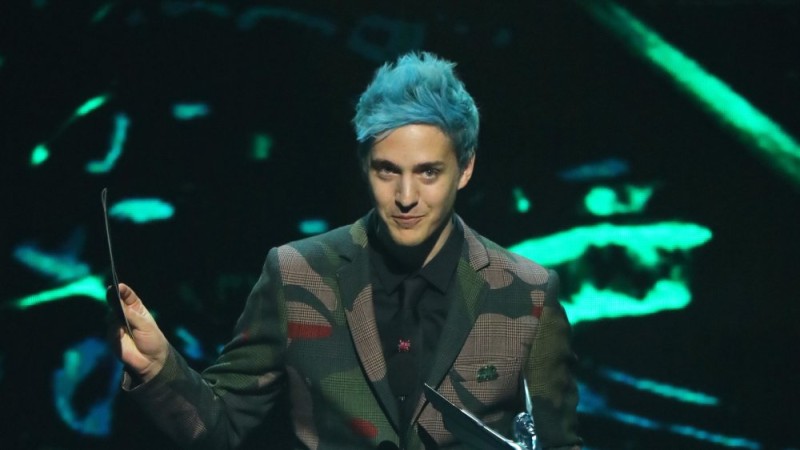
Ninja's streaming numbers aren't what they were in 2018, and he's the first to acknowledge that. His current Twitch subscriber base sits around 2,000 active subscribers, generating roughly $16,000 a month. YouTube adds an estimated $8,000 on top. Those are solid numbers for most people - but for Ninja, they represent just one small corner of a much bigger financial picture.
He holds the Guinness World Record for the most-followed user on Twitch, with over 19.2 million followers as of early 2024. His total social footprint spans 23.7 million YouTube subscribers, 12.1 million on Instagram, and 11.1 million on TikTok. In February 2023, he was named Chief Innovation Officer at GameSquare Holdings - a Nasdaq-listed esports company whose major investors include Dallas Cowboys owner Jerry Jones - receiving two million stock options as part of the arrangement. He co-owns the Nutcase beverage brand. His real estate portfolio includes a 6,700-square-foot home in Chicago and a Southern California property valued at around $4 million. His personal gaming setup alone costs upward of $100,000.
Estimates of Ninja net worth in 2025 cluster around $50 million, though some sources put the figure closer to $25 million depending on how liquid assets and equity stakes are calculated. Either way, he sits comfortably ahead of contemporaries like Adin Ross (estimated at $16 million) and Kai Cenat (around $14 million). Forbes ranked him 31st on its Top Creators 2023 list.
Ninja's Principles: What He Actually Did to Get Here
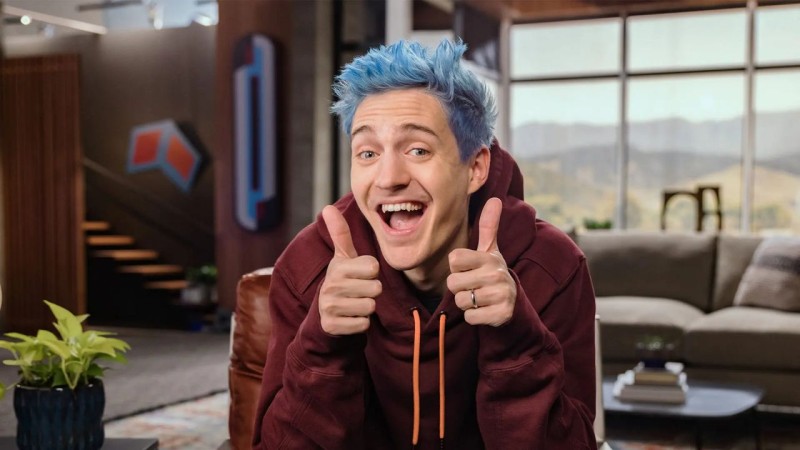
Ninja has been pretty consistent over the years about what he believes made the difference. Looking at his career from start to finish, a few things stand out clearly:
- He didn't quit his day job early. He worked at Noodles & Company, stayed in school, played soccer, and streamed simultaneously. Going all-in came after the money was already there - not before.
- He treated streaming like a profession from day one. Consistent schedule, continuous improvement, constant engagement with his audience - not because a coach told him to, but because he genuinely wanted to be the best.
- He diversified before he had to. Merchandise, books, brand deals, real estate, equity stakes - all built while he was still at peak streaming income. When Mixer collapsed, he had plenty of cushion.
- He pivoted when the moment called for it. He walked away from competitive Halo. He dropped H1Z1 for Fortnite. He took the Mixer gamble. Not every move worked perfectly, but the willingness to change course kept him relevant longer than almost anyone else in the space.
- He built a brand, not just an audience. The blue hair, the competitive intensity, the mainstream media appearances - those weren't accidents. He and his team understood early that longevity in this industry requires being a recognizable name outside the gaming bubble too.
- He stayed honest about the odds. He's said publicly and repeatedly that professional gaming isn't a realistic path for most people. That kind of self-awareness, combined with the ability to actually back it up with results, is probably what separates him from the countless others who tried the same thing and didn't make it.
 Saad Ullah