Alex Dudov
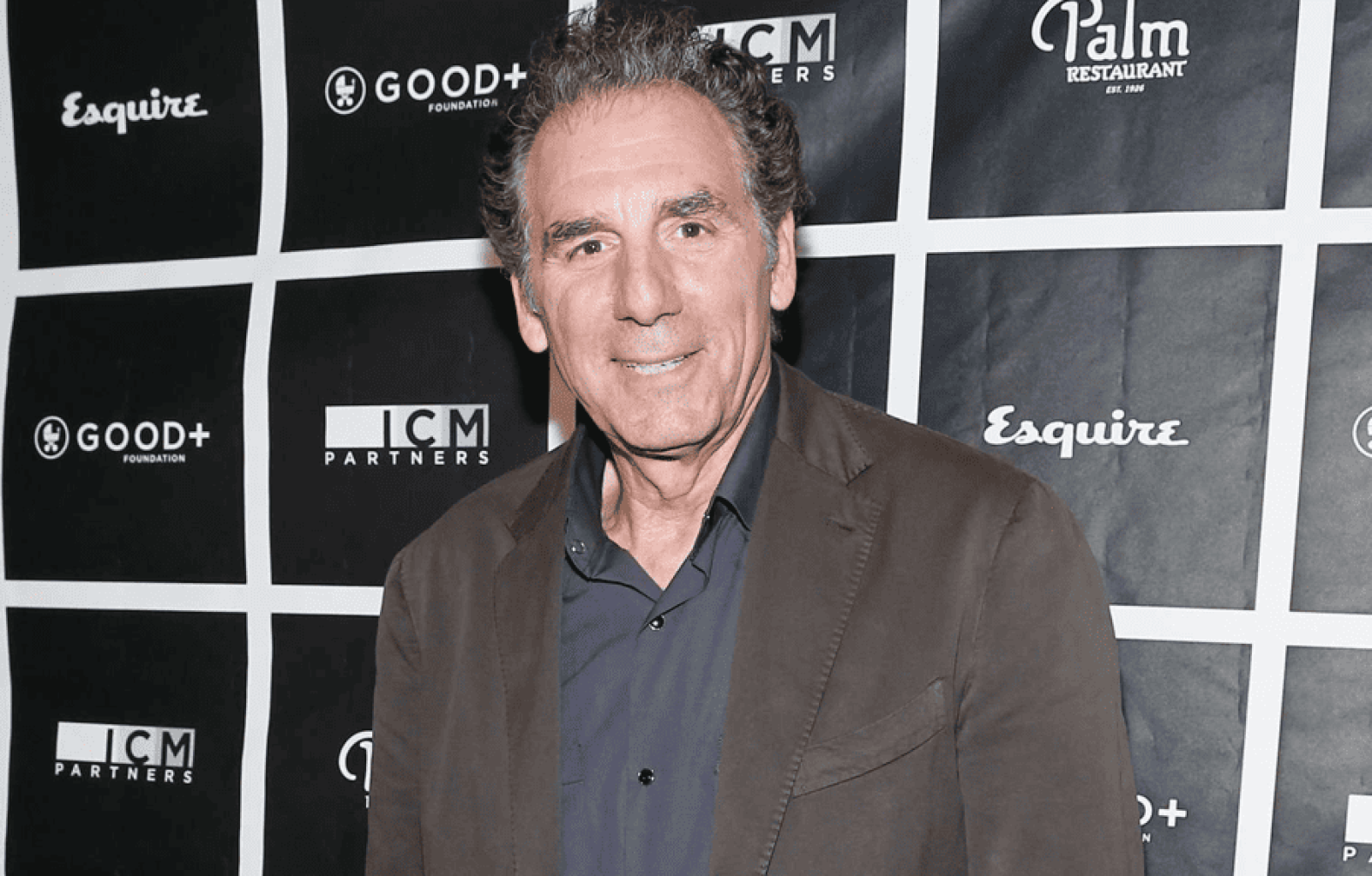
Before the wild hair and the sliding entrances, Michael Richards was just a fatherless kid from Burbank with a drama degree and a couple years of Army service behind him. He spent most of the late 70s and early 80s doing improv in small rooms for small crowds. Nobody was writing about his net worth back then. But the groundwork he laid in those years - the relationships, the reps, the sheer stubbornness - is exactly what led to Kramer. And Kramer is what led to everything else.
Michael Richards' First Jobs and Early Career Earnings
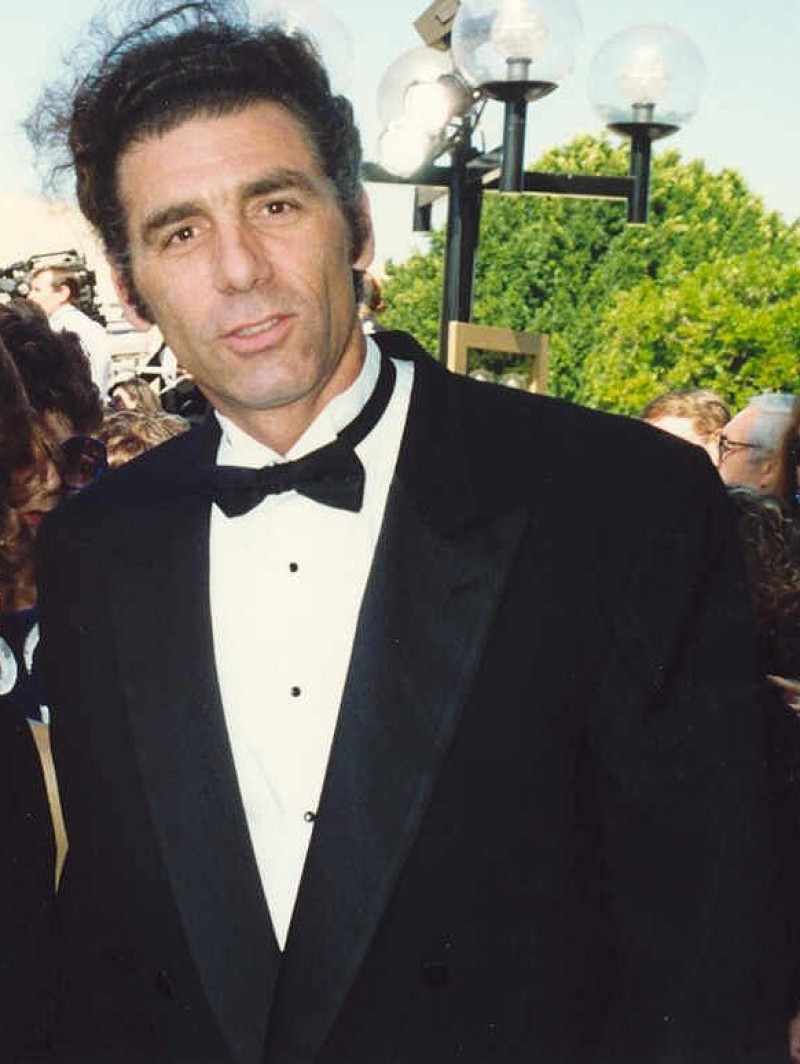
Richards was born on July 24, 1949. His father died when he was a toddler, and he grew up in Los Angeles with his mother. After high school he got a drama degree from Evergreen State College, served two years in the U.S. Army, and came back to California with one goal. He started doing improv alongside Ed Begley Jr. and took whatever student productions he could find at Los Angeles Valley College.
His first taste of national exposure came in 1979 on Billy Crystal's first cable TV special. A year later he was a regular cast member on ABC's sketch show "Fridays," where a then-unknown Larry David was writing scripts. The pay was nothing special, but Richards was in the right room with the right people. Through the mid-80s he kept busy with guest spots on "Cheers" and "Miami Vice," and built a recurring bit on The Tonight Show with Jay Leno as a bumbling fitness instructor. Small paychecks, useful experience.
Seinfeld Peak: $600,000 Per Episode and $45M in Career Salary
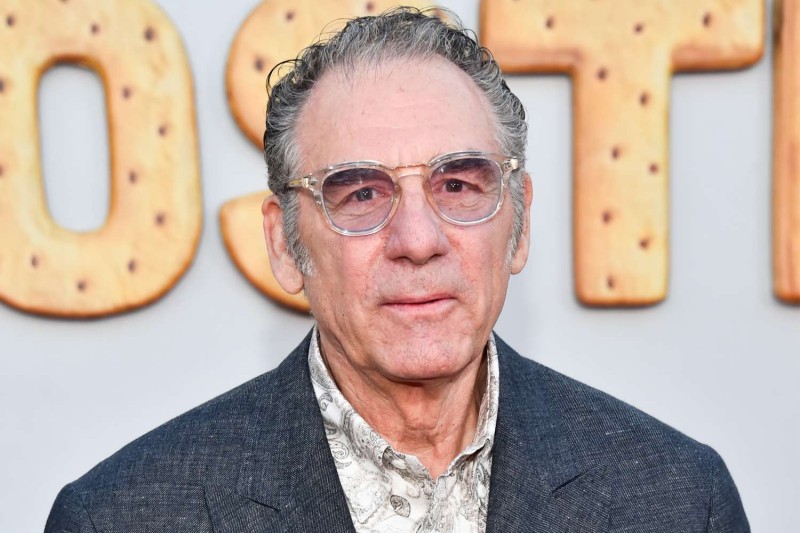
In 1989, Richards was cast as Cosmo Kramer on "Seinfeld" - the show his old "Fridays" colleague Larry David had co-created with Jerry Seinfeld. The salary started modestly. For the first few seasons the supporting cast earned relatively little. Before season 5 in 1993, Richards, Julia Louis-Dreyfus, and Jason Alexander pushed for a raise and got it - $150,000 per episode each, around $3.8 million per season.
By 1997 they went back to the table. They asked for $1 million per episode. NBC pushed back hard. The final number landed at $600,000 per episode for the show's last season - roughly $15 million that year alone. Over the entire nine-season run, each supporting cast member earned around $45 million in base salary before inflation. Richards also won three Emmy Awards for Outstanding Supporting Actor in a Comedy Series. Michael Richards net worth got its foundation right here.
What Michael Richards Earns Now - and Where the Money Actually Went
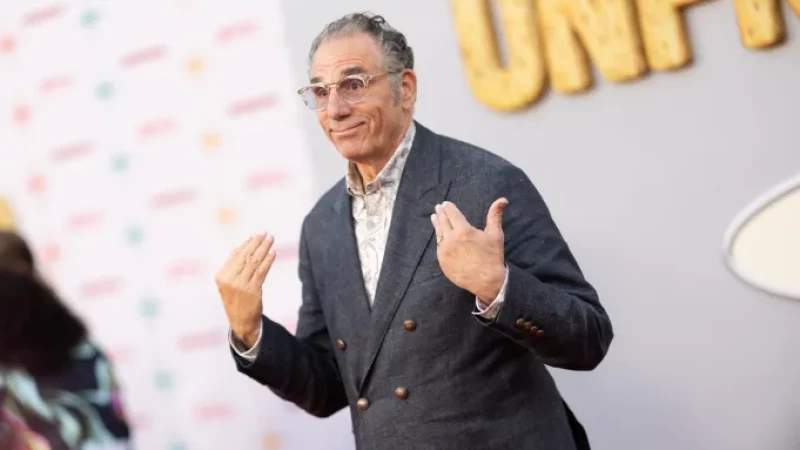
Here is where things get less glamorous. Despite Seinfeld becoming one of the most profitable franchises in TV history - syndication deals have topped $4 billion - Richards never owned a piece of it. The supporting cast did not receive backend equity points. They get standard SAG residuals from reruns, which amounts to a few hundred thousand per year at most. Jerry Seinfeld and Larry David each pocketed $250 million from syndication in 1998 alone. Richards got none of that.
What saved him was real estate. In 1992 he bought a Studio City home for $525,000 and sold it six years later for $810,000. In 1996 he purchased a Mediterranean-style house in Pacific Palisades for $1.75 million - a property now estimated at $8 to $10 million. That single investment has done more for his long-term financial stability than any acting role since Seinfeld ended.
After the show, Richards starred in "The Michael Richards Show" in 2000, which was canceled after two months. He made guest appearances on "Curb Your Enthusiasm," did voice work in "Bee Movie," and appeared in the 2019 film "Faith, Hope & Love." A 2006 incident at the Laugh Factory comedy club ended his stand-up career overnight and shut a lot of Hollywood doors. In June 2024 he came back to public life with his memoir "Entrances and Exits," which drew renewed interest in his story. Michael Richards net worth today sits at an estimated $30 million according to most major sources.
Michael Richards on Success: What He Actually Believes

Richards has been more honest in interviews than most people in his position tend to be. He has talked openly about spending decades performing for approval rather than from genuine expression - and how that held him back. His memoir reads less like a victory lap and more like someone finally willing to look at uncomfortable things head-on.
His take on success is pretty straightforward: be yourself instead of what the industry wants you to be, own your failures completely instead of explaining them away, and put your money into things that last - skills, property, real relationships. Not the next job or the next spotlight. For Richards, the hardest and most valuable work had nothing to do with comedy. It was learning to stop running from the stuff he found inside.
 Alex Dudov