Alex Dudov
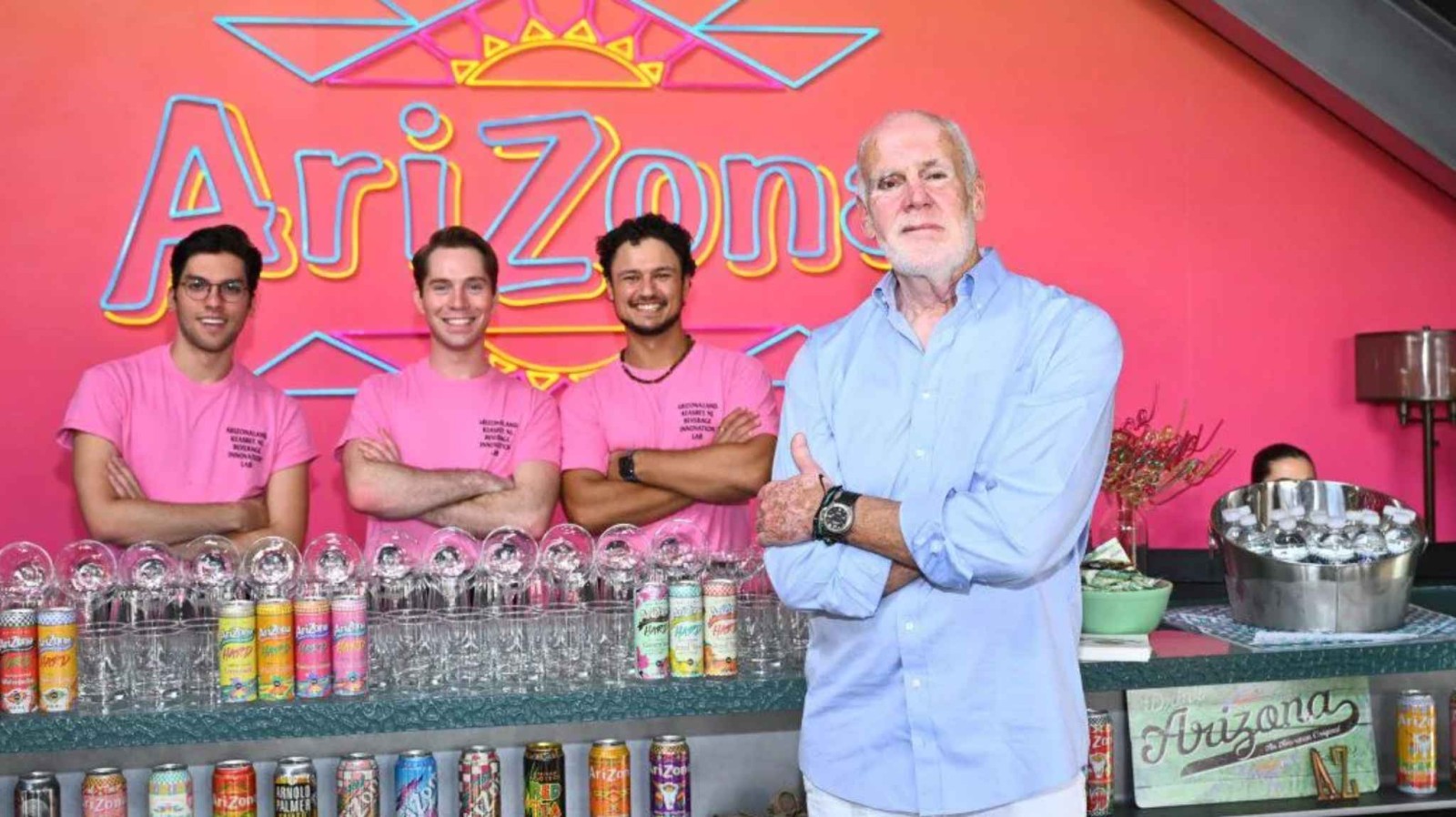
- From $1 an Hour to Billions: How the CEO of Arizona Iced Tea Got His Start
- Building a Beer Business on Tough New York Streets Before AriZona Iced Tea
- 1992: The CEO of Arizona Iced Tea Co-Founds a Billion-Dollar Brand
- Peak Success: Don Vultaggio's $6.2B Fortune Built on a 99-Cent Can
- Don Vultaggio's Core Ideas on How to Actually Become Successful
Most billionaires made their money in tech, finance, or real estate. Don Vultaggio did it with a can of iced tea. Not some premium, artisanal, $6-a-bottle product either. The kind that sits in a gas station cooler and costs less than a dollar. He has been selling it at that price for over 30 years, and today his net worth sits at $6.2 billion. The man who printed "99 cents" right on his can is one of the wealthiest people in America, and he got there without ever setting foot in a college classroom.
From $1 an Hour to Billions: How the CEO of Arizona Iced Tea Got His Start
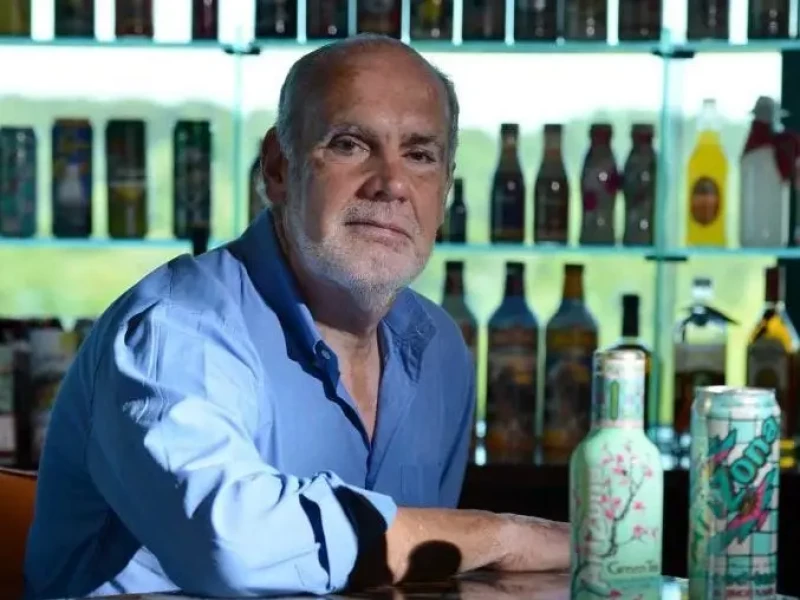
Don Vultaggio was born on February 26, 1952, and grew up in Flatbush, a working-class neighborhood in Brooklyn, New York. His father managed a local A&P supermarket, and that was the world Don knew growing up. Grocery stores, tight budgets, and the general understanding that nothing comes free. At 13, he was already clocking in after school at a nearby store for $1 an hour. No connections, no family money to fall back on. Just a teenager figuring out early that if you want something, you go earn it.
School was never really his thing. Vultaggio has said he probably would not have finished high school without his mother pushing him through. College never happened. After getting his diploma, he found work at a local brewery in Brooklyn. It was not glamorous, but something about being inside a business lit him up. He started paying attention to costs, margins, and why things were priced the way they were. His father had told him early on: "Know your costs and sell it for more than that." Most people hear advice like that and nod. Vultaggio built his entire life around it.
Building a Beer Business on Tough New York Streets Before AriZona Iced Tea
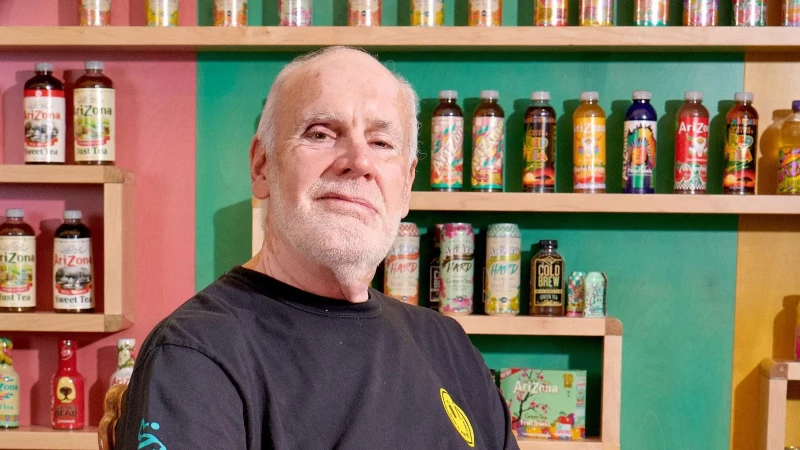
The brewery eventually shut down, and Vultaggio took that personally. He walked away convinced that businesses die when they stop paying attention to what customers actually want. He teamed up with a friend named John Ferolito, and together they started a beer distribution company in the 1970s. They kicked things off with a used Volkswagen bus and just kept going, adding trucks as money came in.
For the next 20 years or so, Vultaggio was out on the streets of New York hauling beer to bodegas and corner stores in neighborhoods nobody else wanted to deal with. It was not glamorous and it was not making him rich. But it taught him everything: distribution, customer loyalty, and what it actually takes to keep a business alive when margins are thin. Those two decades on the road were, in a lot of ways, the real education.
1992: The CEO of Arizona Iced Tea Co-Founds a Billion-Dollar Brand
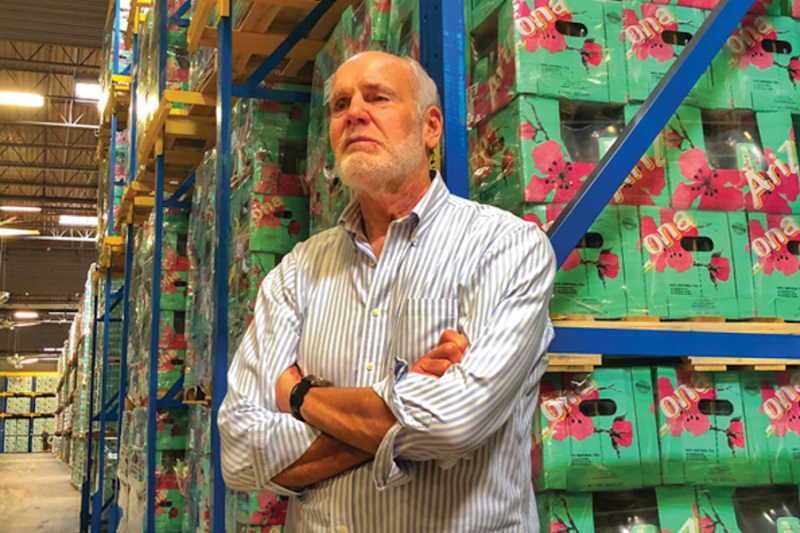
The moment everything changed came when Vultaggio spotted delivery trucks hauling Snapple iced tea through the streets of New York. He drove home that day and told his wife he wanted in on the tea business. He freely admitted he did not know the first thing about iced tea, other than he drank it as a kid. But he understood something more important: value, volume, and how to get a product in front of people who did not have a lot to spend. In May 1992, he and Ferolito co-founded Arizona Beverage Company out of a warehouse in Brooklyn, and the first cans hit store shelves that same month.
The early years were a real grind. AriZona had no advertising budget to go up against Coke or Pepsi, so Vultaggio had to find another way to stand out. In 1997, he had an idea that one of his own salesmen called the dumbest thing he had ever heard: stamp "99 cents" directly onto the can. Vultaggio did it anyway. Three years later, sales were up 30%. That oversized, boldly designed tallboy had stopped being just a drink. It became a promise that this company was on the customer's side. Revenue crossed a billion dollars and it did not stop there.
Peak Success: Don Vultaggio's $6.2B Fortune Built on a 99-Cent Can
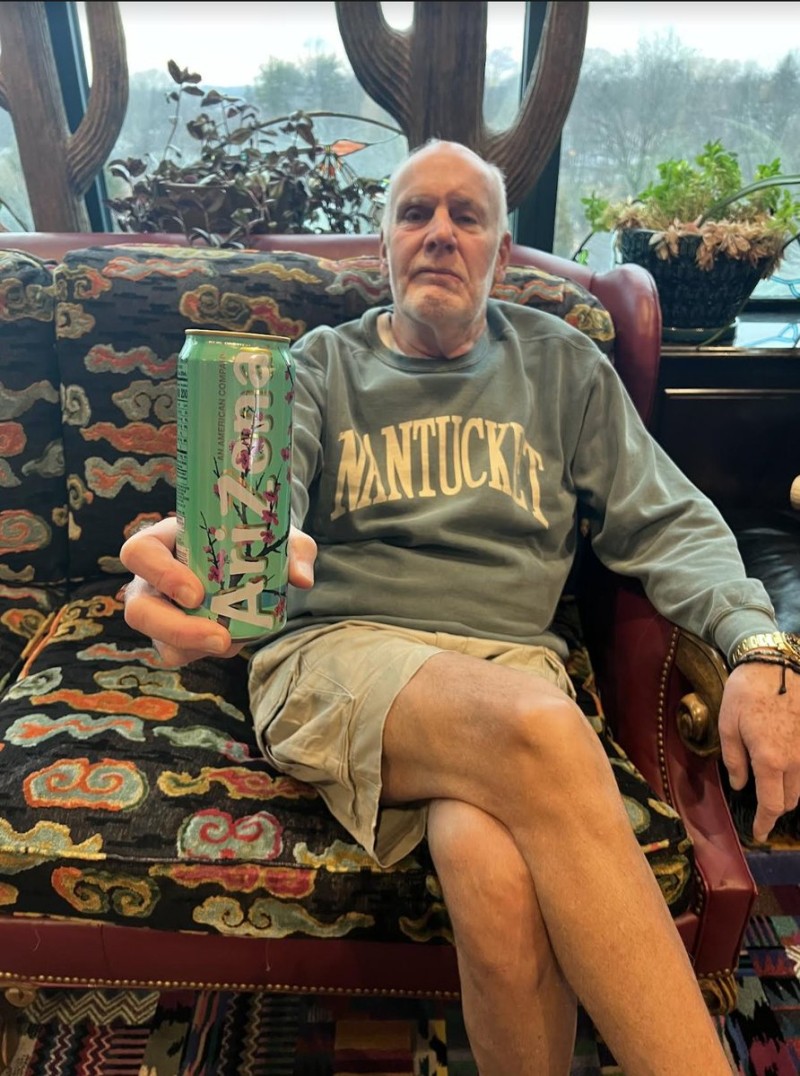
The partnership with Ferolito eventually fell apart. After years of tension and a prolonged legal battle, Vultaggio bought out his co-founder in 2015 for around $1 billion. From that point on, he owned everything outright. Every dollar AriZona made flowed directly to Vultaggio and his family. No outside investors, no board to answer to, no quarterly earnings calls. Just a private company doing things exactly the way he wanted.
Today, AriZona moves roughly 2 billion cans a year and brings in over $4 billion in annual sales. According to Forbes, Vultaggio and his family are worth $6.2 billion, which puts him comfortably among the wealthiest people in the country. His exact salary is not public since AriZona is privately held, but the bulk of his wealth has always come from ownership, not a paycheck. He lives on a two-acre private peninsula in Sands Point, Long Island, where he finished building a 30-room mansion in 2007 after buying the land for $4 million in 2004. His two sons, Wesley and Spencer, now run the company alongside him as Chief Creative Officer and Chief Marketing Officer. It is a fully family-owned business, and Vultaggio clearly prefers it that way.
Even as aluminum tariffs in 2025 started threatening the 99-cent price point, he resisted for as long as possible. His reasoning was the same as always: "We're successful, we're debt free, we own everything. Why have people who are having a hard time paying their rent pay more for their drink?"
Don Vultaggio's Core Ideas on How to Actually Become Successful
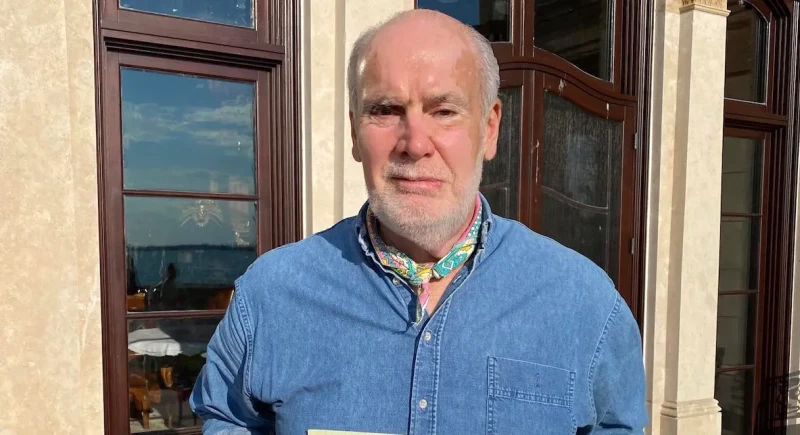
Vultaggio is not a motivational speaker type. He does not have a TED Talk or a bestselling book. But he has talked enough over the years that a clear philosophy has come through. Here is what he keeps coming back to.
Know your numbers. His father gave him this one, and it became the foundation for everything. Most businesses fail because they lose track of what things actually cost. Vultaggio never did. He has been obsessed with cost control since his brewery days, and that discipline is a big part of why AriZona survived while competitors raised prices and lost customers.
Give people real value. The 99-cent can is not a marketing gimmick. It is a philosophy. Vultaggio genuinely believes that if someone picks up your product and feels like they got a good deal, they will come back forever. That kind of loyalty is worth more than any ad spend.
Stay independent. He had plenty of opportunities to sell AriZona to larger companies over the years. He turned them all down. Staying private meant he never had to compromise on price, quality, or direction to satisfy shareholders or quarterly targets.
Treat people like they matter. Whether it is a forklift driver or a senior executive, Vultaggio talks about his company like it is a community. "Not just me. A lot of people, thousands of people, all contributing on a regular basis," he has said. "You have to run a business like it's a family." That culture, he believes, is what actually makes things work long-term.
Plan for hard times before they arrive. When inflation hit and every other brand started raising prices, AriZona cut costs from the inside instead. Overnight truck routes, thinner cans, tighter logistics. Finding efficiencies nobody else was bothering to look for. That is the mindset he built the company on from day one.
Never lose touch with where you started. Vultaggio still calls himself a regular guy. The kid who clocked in for a dollar an hour at 13 years old is still in there somewhere, and that perspective has kept him grounded in a way a lot of billionaires simply are not. He has never forgotten who actually buys his product, and that is probably the most important thing of all.
 Alex Dudov