
 Alex Dudov
- How the CEO of Costco Got His Start: A Forklift and a Community College Dream
- Costco CEO Career Path: 40 Years, One Company, Every Rung of the Ladder
- What Costco's CEO Actually Earns: Salary, Bonuses, and Net Worth
- What the CEO of Costco Is Building Right Now
- Ron Vachris on Success: What He Actually Believes
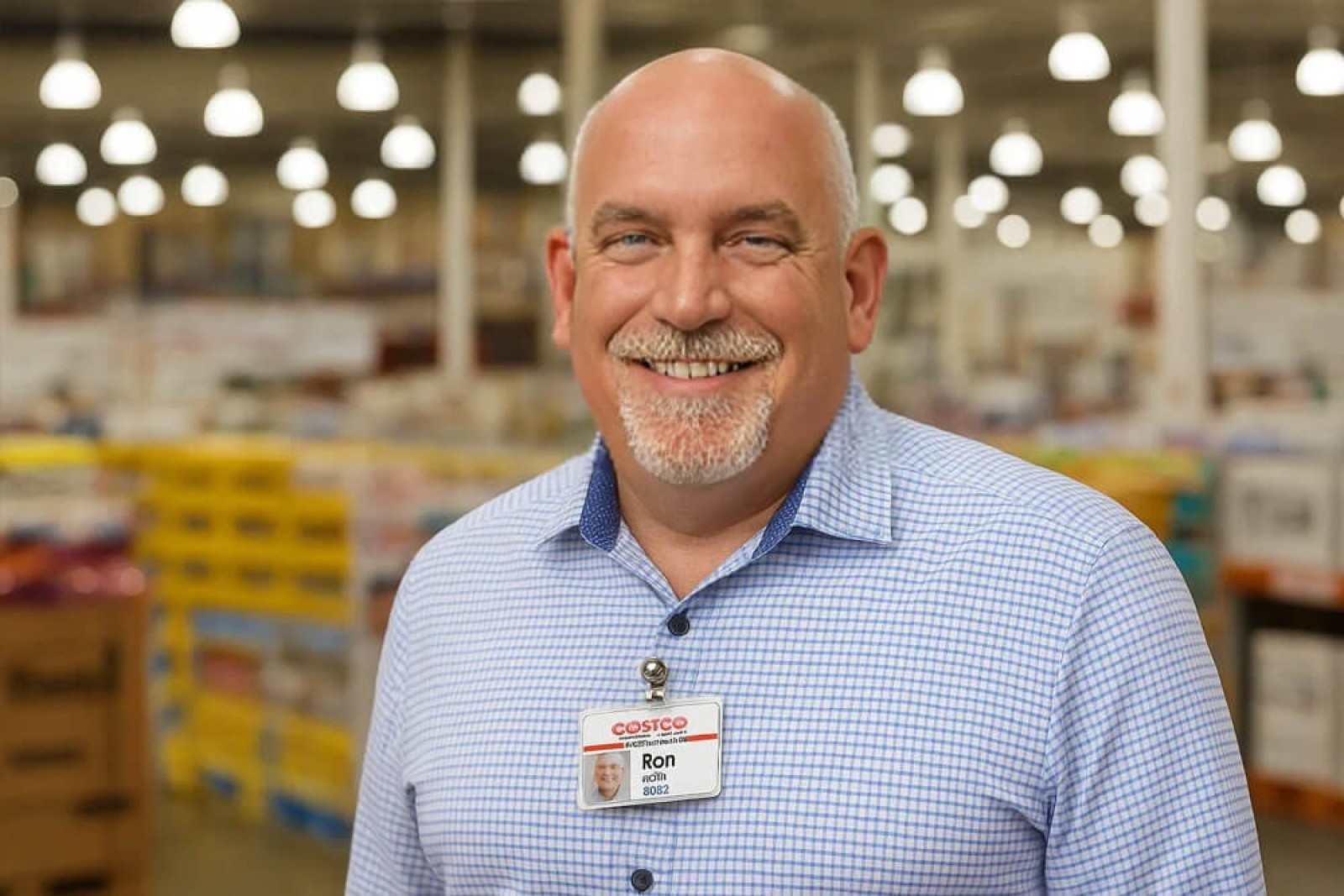
Most corporate success stories follow a familiar arc: prestigious university, fast-track MBA program, a few well-timed job hops, and suddenly you're in the corner office. Ron Vachris's story doesn't look anything like that. He went to community college, took a part-time job to pay the bills, and never left. Four decades later, he runs the world's third-largest retailer - a $254 billion company that ranks No. 12 on the Fortune 500. It's the kind of career that sounds almost too straightforward to be real, which is probably why Vachris himself barely makes a big deal of it.
How the CEO of Costco Got His Start: A Forklift and a Community College Dream
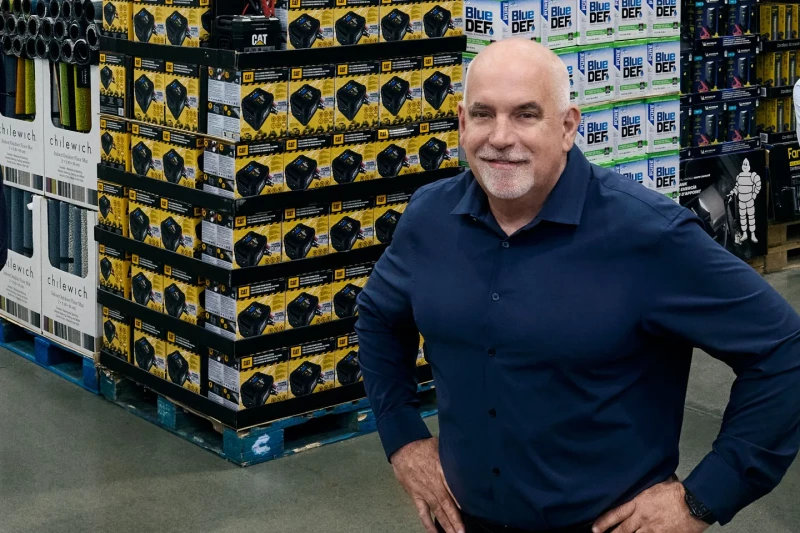
Ron Vachris was born in 1965 in Staten Island, New York, into a Greek-American family. His dad worked as a utility lineman - steady, physical work that paid the bills. The family eventually moved to Arizona when Ron was a teenager, and after high school he enrolled at Glendale Community College to study business. To cover expenses, he picked up a part-time shift at Price Club, a members-only warehouse chain popular in Arizona and Southern California at the time. His job? Driving a forklift.
That first warehouse paycheck came sometime in the early 1980s. Nothing glamorous about it - just an hourly wage, a steel-toe boot requirement, and a lot of moving pallets. But something about the environment suited him. He understood how the operation worked. He paid attention. And when the time came to decide between finishing school and committing to the job full-time, he chose the job. That decision - seemingly small at the time - would end up being the only major career move he ever needed to make.
Costco CEO Career Path: 40 Years, One Company, Every Rung of the Ladder
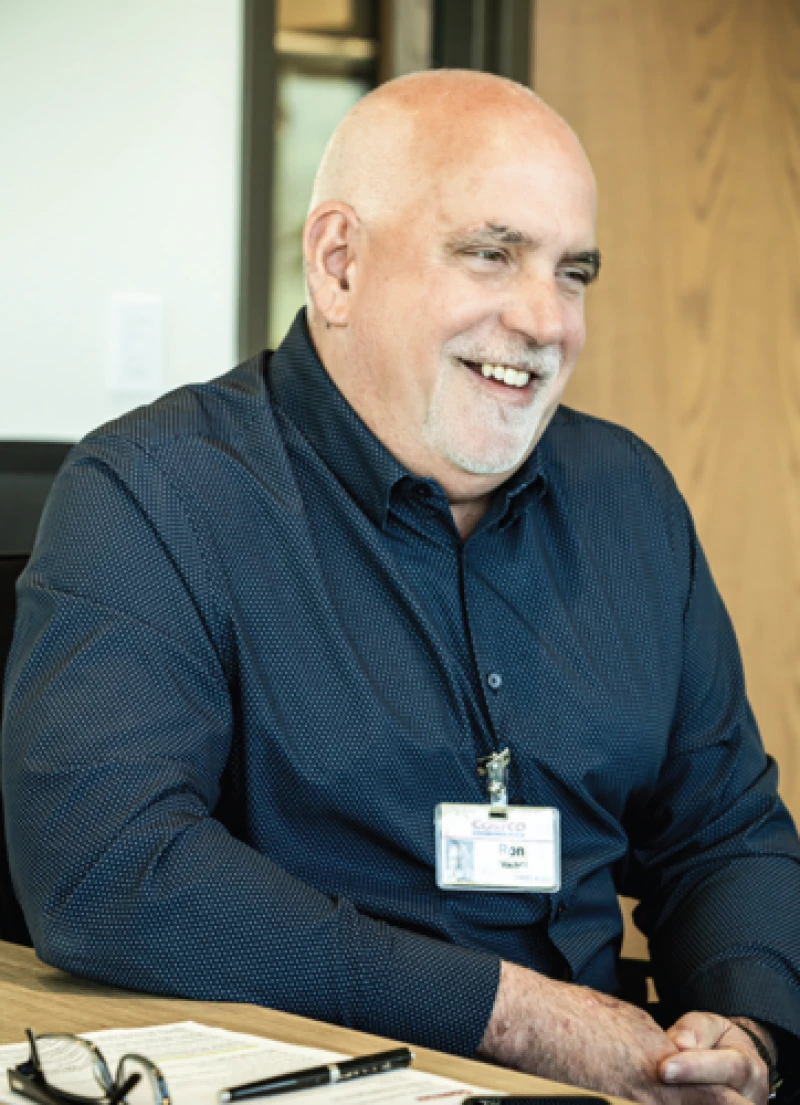
Vachris spent several years as a forklift driver before his first real promotion came in 1989, when he stepped into an assistant general manager role at a Phoenix warehouse. He was learning the business from the inside out - inventory, staffing, operations, customer flow. By 1991, the company trusted him enough to lead their expansion into Colorado, and by 1992 he was running two locations in Aurora and Westminster on his own.
That year turned out to be the turning point he still talks about today. Warehouse managers at Price Club - and later Costco - aren't just middle managers. They run units with 300 to 500 employees and are given real autonomy to operate like they own the place. For Vachris, it was the environment where he figured out who he was as a leader.
When Price Club merged with Costco in 1993, Vachris moved back to Arizona to continue managing stores, then relocated to San Diego in 1999 as a regional vice president. By that point, his portfolio of 24 locations was bigger than the entire Price Club chain had been when he first got hired. In 2010, he joined Costco's corporate ranks as senior VP and general manager.
In 2015, Costco co-founder Jeff Brotman personally called him with an unusual offer: run the company's real estate division. Vachris was caught off guard - his entire background was in operations, not property scouting. But he said yes. Working alongside Brotman, he spent years choosing warehouse locations across the globe and developing a broader understanding of the business beyond the warehouse floor. Brotman died in 2017, and Vachris has spoken about those years with obvious gratitude.
In 2016, then-CEO Craig Jelinek asked him to take on yet another new role: executive VP of merchandising. Then, in February 2022, Vachris became President and Chief Operating Officer - the clearest possible signal that he was next in line. On January 1, 2024, he officially became the CEO of Costco, only the third person to hold that title in the company's history.
What Costco's CEO Actually Earns: Salary, Bonuses, and Net Worth
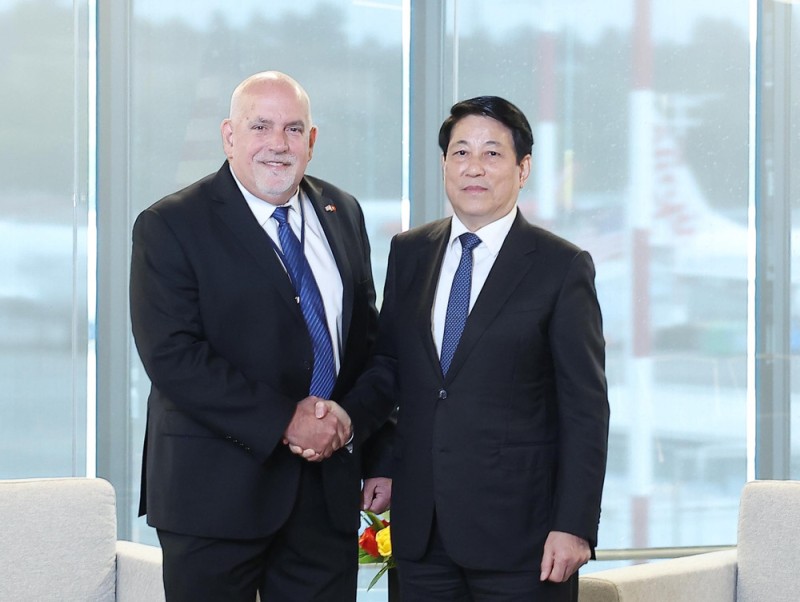
For fiscal year 2024, Costco's SEC proxy filing showed Ron Vachris received a total compensation package of $12.2 million. That breaks down to a base salary of just under $1.1 million, stock awards worth $10.5 million, and a handful of smaller perks - including, somewhat charmingly, a complimentary $120 Executive Membership to the store he runs.
For comparison, his predecessor Craig Jelinek made $16.8 million in his final year as CEO. The median S&P 500 CEO took home $15.5 million in 2023. Vachris sits below both those numbers. The median Costco employee earned $47,092 in fiscal 2024, putting his pay ratio at 262:1 - noticeably lower than Jelinek's 336:1, and well below what's typical at companies of this size.
His net worth is harder to pin down with precision, but the stock picture alone is significant. Vachris owns roughly 41,000 shares of Costco stock, and with the price hovering near $956, that holding alone tops $39 million. Add in his annual compensation, bonuses, and the more than $8.6 million he's collected from stock sales since 2021, and most estimates put his total net worth somewhere between $39 million and $50 million as of 2025.
What the CEO of Costco Is Building Right Now
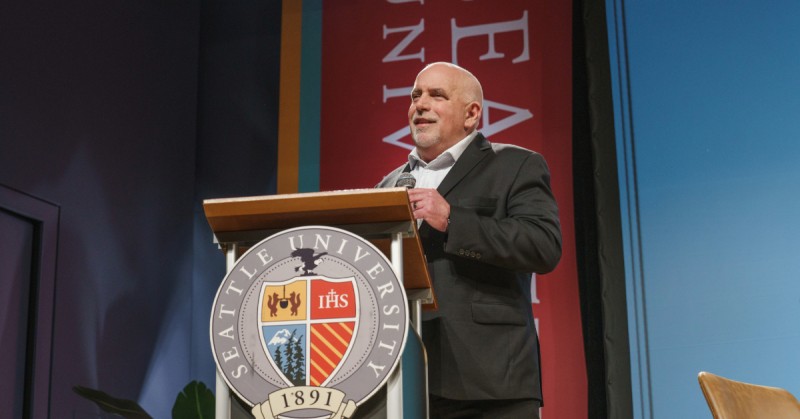
A little over a year into his tenure, Vachris has already helped push Costco's revenue to $254 billion - a 5% jump from the prior year. The company now sits at No. 12 on the Fortune 500, ahead of Microsoft, Chevron, and Bank of America.
His near-term focus is keeping prices stable during a period of global tariff pressure. Long-term, he's betting on two things: expanding internationally and getting serious about e-commerce and technology. Costco recently launched buy-now-pay-later on its website and has been growing its Costco Next program. "Digital and technology are important parts of our future growth, and we are investing to improve the member experience," he said on a recent earnings call.
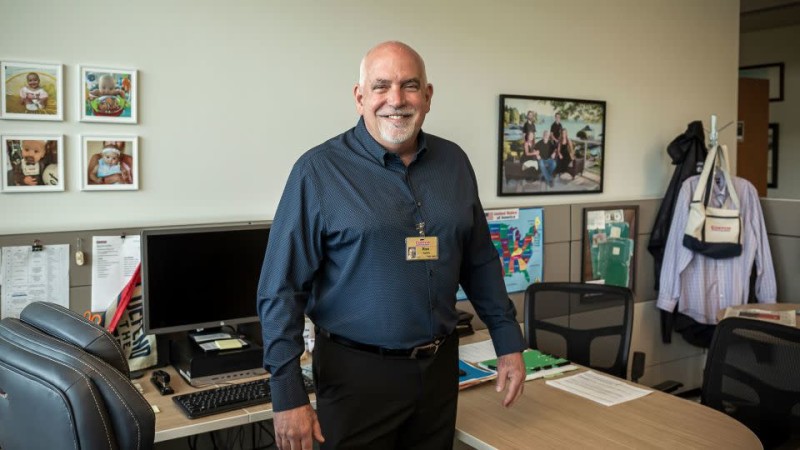
One of the more telling details about how he operates: Vachris works in a cubicle at Costco's Issaquah, Washington headquarters, just like everyone else. He deliberately chose a spot near the elevators to maximize casual run-ins with staff. His favorite spot in the entire building is the ground-floor cafeteria. He has also promised, publicly and without wiggle room, that Costco's $1.50 hot dog and $4.99 rotisserie chicken will not change in price as long as he's in charge.
Ron Vachris on Success: What He Actually Believes
Over four decades at the same company, Vachris has developed a philosophy about work and leadership that doesn't come from business school. It comes from loading docks and warehouse floors and decades of watching what actually makes organizations work.
- Culture is the job, not a side project. Vachris has said the biggest mistake leaders make is treating values like a program to check in on. At Costco, treating employees, customers, vendors, and shareholders well isn't a strategy - it's just how things get done. "I know that's my biggest responsibility moving the company into the future - to ensure that those guiding principles are as strong in the next 40 years as they were for the past 40 years."
- Say yes to the uncomfortable assignment. When Brotman asked him to run real estate and Jelinek asked him to run merchandising, Vachris had never done either. He took both jobs anyway. He now tells Costco employees the same thing regularly: if someone believes in you enough to give you a new responsibility, don't let fear be the reason you decline.
- Let the people closest to the work lead. Vachris manages with a light hand. He believes the best ideas often come from people who aren't in the C-suite. His go-to example: the idea to repurpose leftover rotisserie chickens into chicken salad didn't come from an executive - it came from employees on the floor.
- Listen more than you talk. "I've had the good fortune of working with great people, and if you pay attention, and you learn what they teach you, and you listen, good things can happen." He credits colleagues at every level for getting him where he is - not his own talent or ambition.
- Don't make yourself the story. Vachris actively pushes back on the idea that his path was exceptional. "I'm not the exception; I really am not. Throughout the company, there's many like me; there's just only one CEO position, so I just happened to be in that one." For someone running a $254 billion company, that's a genuinely unusual thing to say - and he seems to mean it.
Forty years. One company. A forklift to start, and the corner office - a cubicle, technically - to finish. However the rest of Ron Vachris's tenure as CEO of Costco plays out, that part of the story is already written.
 Alex Dudov



