Marina Lyubimova
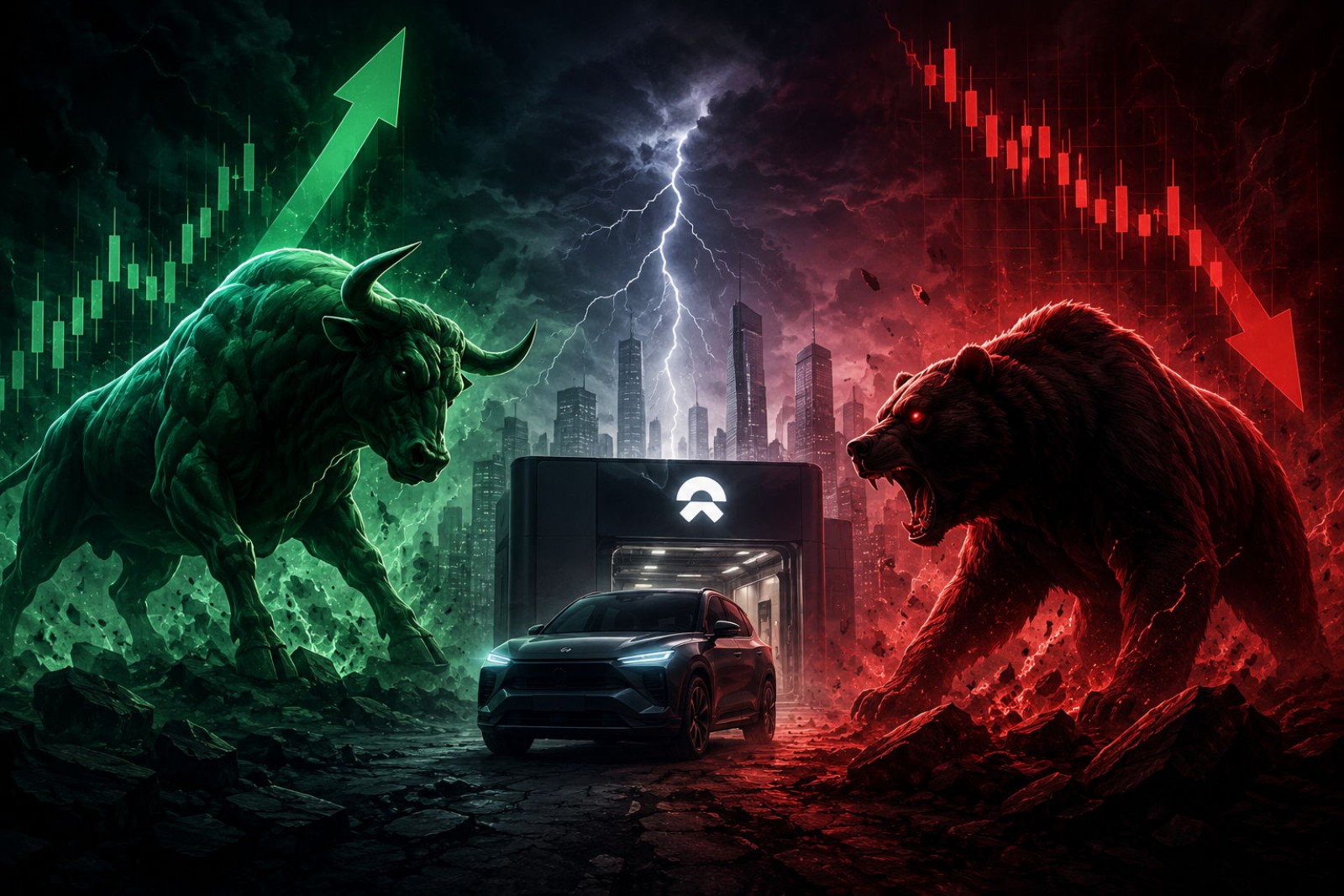
The latest “NIO civil war” intensified after the company posted its first profitable quarter in Q4 2025, reigniting bullish sentiment across retail trading communities. At the same time, bearish investors argue that one strong quarter does not erase years of heavy losses, shareholder dilution, and brutal competition in China’s EV sector.
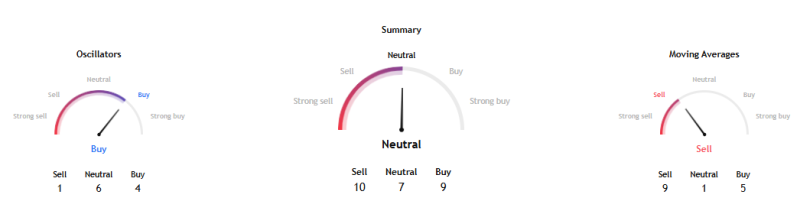
The market itself appears deeply divided. Technical indicators currently reflect a neutral overall outlook, with oscillators leaning bullish while moving averages continue signaling weakness. That split perfectly mirrors the ongoing battle between traders expecting a breakout and those anticipating another rejection lower.
Bulls believe the company is finally proving it can scale profitably. NIO delivered 124,807 vehicles during the fourth quarter of 2025, representing a 71.7% year-over-year increase. Full-year deliveries climbed to 326,028 vehicles, up 46.9% from the previous year, while management projected another massive acceleration for early 2026 deliveries.

Those numbers have become the centerpiece of the bullish thesis. Supporters argue that newer models, combined with the expansion of ONVO and FIREFLY sub-brands, are helping NIO evolve from a niche premium automaker into a broader EV platform capable of competing across multiple market segments.
Financial performance also improved significantly during the quarter. Vehicle margin rose to 18.1% from 13.1% a year earlier, while gross profit surged more than 163% year-over-year. Most importantly for bullish investors, NIO reported a positive quarterly net profit of RMB 282.7 million after years of persistent losses.
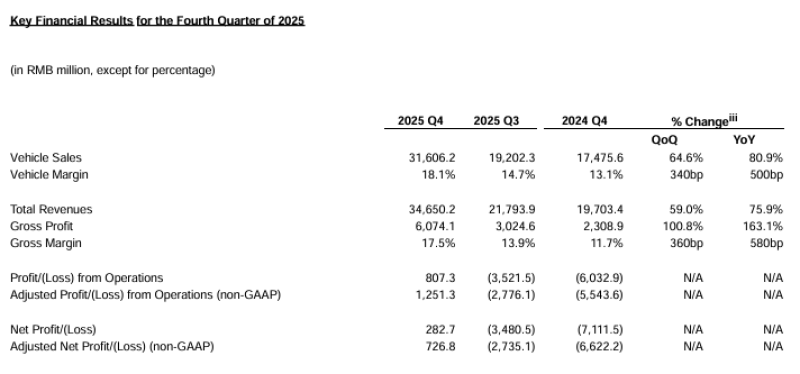
For bulls, these figures support the argument that NIO is no longer the same cash-burning company investors feared in 2022 and 2023. If margins continue expanding throughout 2026 while deliveries accelerate, some traders believe the stock could finally break out of its multi-year downtrend.
However, bears remain unconvinced.
Despite the profitable quarter, critics point out that NIO still reported major losses on a full-year basis and continues operating in one of the most competitive EV markets in the world. Rivals including BYD, Tesla, XPeng, and Li Auto continue pressuring pricing across China’s EV industry.
Bearish investors also warn that NIO’s battery swap strategy, while technologically impressive, remains highly capital-intensive and may take far longer to scale globally than bulls expect. Others continue highlighting the company’s history of dilution and repeated capital raises, arguing that sustainable profitability still has not been fully proven.
The next several quarters will likely determine which side ultimately wins the NIO debate. If delivery growth remains strong and profitability improves further, investor sentiment could shift dramatically in favor of a longer-term recovery narrative. But if margins weaken or losses return, bears may once again regain control as confidence in the turnaround fades.
 Marina Lyubimova