Artem Voloskovets
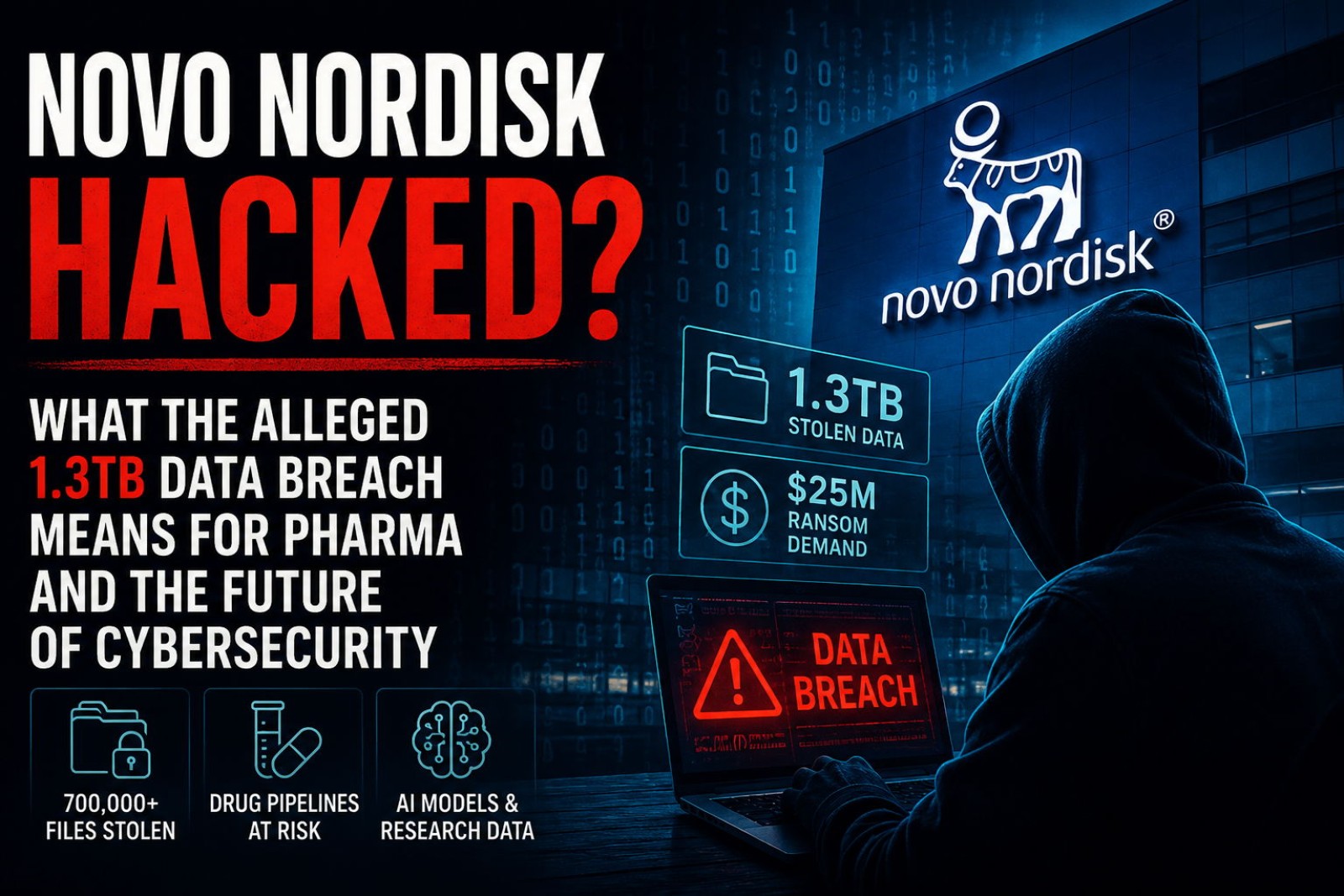
The alleged breach of Novo Nordisk points to a different problem entirely. According to claims made by cybercriminal group FulcrumSec, the attackers spent months inside the pharmaceutical company's network and left with more than 700,000 files. The reported haul includes source code, internal AI projects, drug-development data, manufacturing information and clinical-trial records.
Whether every claim proves accurate or not, the incident shows where cybercriminal attention is moving: toward organizations that store years of research rather than millions of customer accounts.
A Drug Pipeline Can Be Worth More Than a Database
Customer records have a black-market value. Drug-development programs have strategic value. Novo Nordisk spends billions of dollars each year on research, development and commercialization. Information tied to experimental treatments, proprietary compounds or manufacturing processes cannot simply be recreated after a leak.
FulcrumSec claims the stolen data includes information related to unreleased drugs, internal research projects and intellectual property. If true, the potential damage extends far beyond regulatory fines or incident-response costs.
A company can reset passwords in a day. Rebuilding years of research is another matter.
The Reported Entry Point Is Familiar
One detail stands out in FulcrumSec's account of the attack. The group claims it initially gained access through a GitHub token that allowed cloning internal repositories and discovery of additional credentials.
The technique itself is not unusual. Development environments have become one of the most common attack surfaces in modern enterprises. Repositories contain code, secrets, infrastructure configurations and connections to other internal systems.
As pharmaceutical companies increasingly rely on software-driven research and cloud-based collaboration, development infrastructure becomes nearly as critical as laboratory infrastructure.
| Date | Event |
| March 2026 | Alleged initial access |
| March–May | Data collection period |
| June 3 | First contact with executives |
| June 11 | Incident disclosure |
| June 16 | Public extortion claims |
Clinical Data Was Not the Most Interesting Part
The initial headlines focused on patient information. Novo Nordisk stated that affected clinical-trial data was pseudonymized and could not be directly connected to patient identities without additional information.
That distinction matters, but it may not be the most consequential aspect of the case. What makes the incident unusual is the reported mix of research data, software assets, manufacturing information and intellectual property. Together, these assets form the operational blueprint of a pharmaceutical business.
For an attacker interested in leverage, that blueprint may be more valuable than personal records alone.
AI Research Has Joined the Target List
Among the categories allegedly taken from Novo Nordisk are internal AI-related assets. That detail would have attracted little attention a few years ago. Today it reflects how pharmaceutical research is changing.
Drug discovery, molecular screening, clinical-trial analysis and laboratory automation increasingly rely on proprietary AI systems. These models are trained on internal datasets that competitors cannot easily replicate. As a result, AI infrastructure is becoming part of the intellectual-property stack companies must defend.
The appearance of AI assets in extortion campaigns suggests attackers are adapting to where corporate value is being created.
What This Incident Actually Reveals
The most notable aspect of the Novo Nordisk case is not the size of the alleged ransom demand or even the reported 1.3TB of stolen data. It is the composition of the data.
The reported target list reads less like a traditional data breach and more like a map of how a modern pharmaceutical company operates: software repositories, AI projects, research pipelines, manufacturing systems and clinical programs.
That shift matters because it changes the economics of cybercrime. Instead of locking systems and demanding payment for recovery, attackers increasingly seek access to information that cannot easily be replaced.
 Artem Voloskovets