Artem Voloskovets
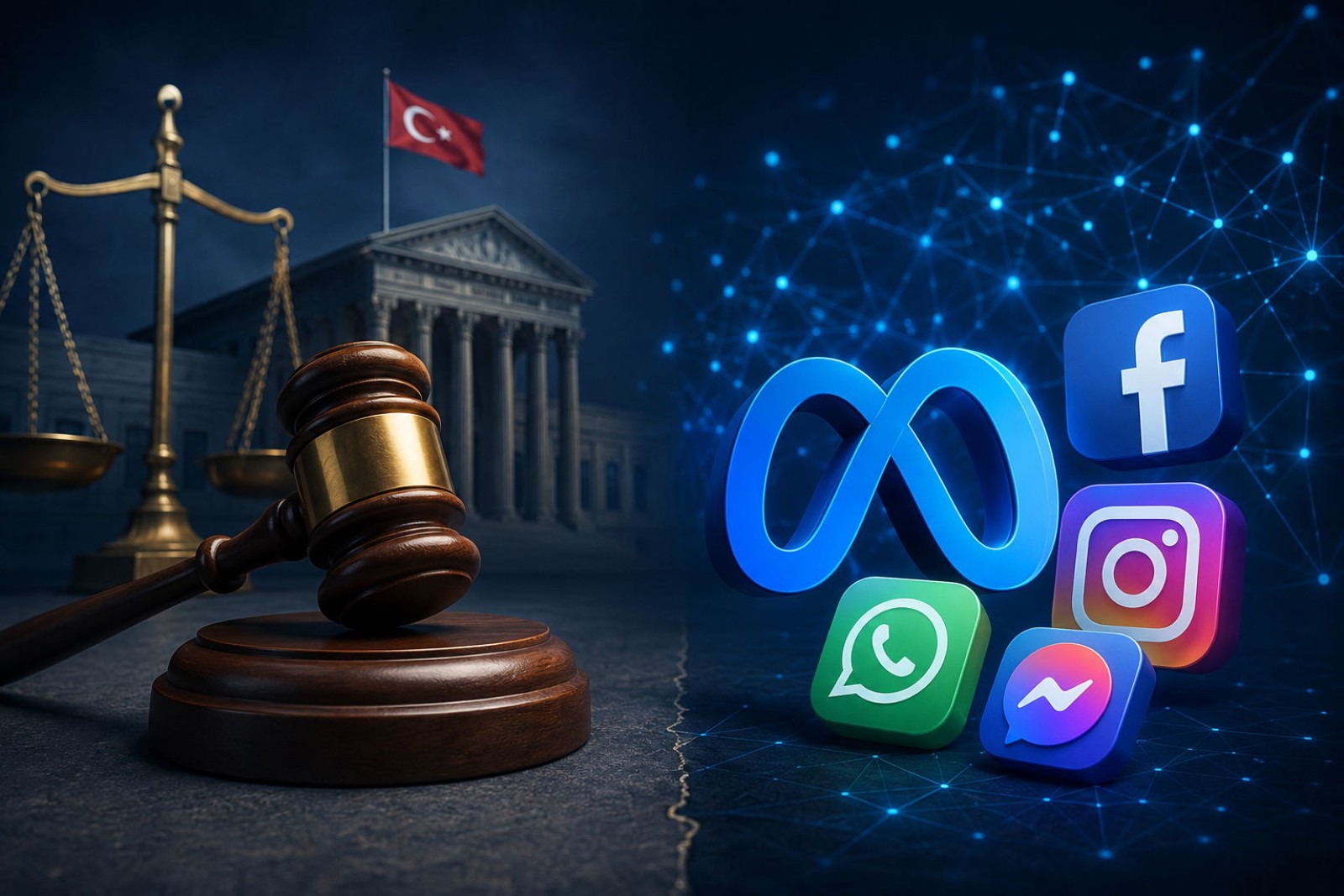
Turkey has opened a new antitrust investigation into Meta, adding another chapter to the growing scrutiny facing the company behind Facebook, Instagram, WhatsApp, and Threads.
At first glance, the case looks like a routine regulatory dispute. In reality, it touches on a question governments around the world continue to wrestle with: how much power should a single company have over the digital platforms people use every day?
Why Meta Keeps Attracting Regulatory Attention
Meta operates one of the largest digital ecosystems on the planet. Facebook, Instagram, WhatsApp, Messenger, and Threads serve billions of users and generate vast amounts of data.
The strength of Meta's business comes from the way these services work together. A user can communicate through WhatsApp, discover content on Instagram, interact on Facebook, and remain within the same corporate ecosystem throughout the process.
That convenience is exactly what regulators examine. Competition authorities often focus on whether tightly connected platforms make it harder for smaller rivals to compete. The larger the ecosystem becomes, the more difficult it may be for newcomers to attract users and advertisers.
What An Antitrust Investigation Actually Means
Antitrust investigations are designed to determine whether a company is using its market position in a way that limits competition. The goal is not to punish size or success. Regulators look for practices that could reduce consumer choice, discourage innovation, or create barriers for competitors.
In the technology sector, investigations often focus on:
- data sharing between platforms;
- platform integration;
- advertising advantages;
- access to users and markets.
These issues have become increasingly important as a handful of companies gained enormous influence over digital communication and online advertising.

Why This Matters To Everyday Users
Most people will not notice any immediate changes. Investigations typically last months or years, and platforms continue operating normally while regulators gather information and evaluate evidence.
The impact becomes visible only if authorities require changes. In such cases, users may see new privacy controls, different account-linking options, or changes in how information moves between services. While these adjustments rarely transform the user experience overnight, they can influence how personal data is collected and used across platforms.
The Bigger Debate Behind Cases Like This
The Turkish investigation reflects a larger discussion taking place far beyond one country. Digital platforms have evolved into essential infrastructure for communication, news distribution, advertising, and online communities. Governments increasingly question whether existing rules are sufficient for companies operating at such scale.
Supporters of stronger oversight argue that competition encourages innovation and protects consumers. Critics counter that excessive regulation can make it harder for technology companies to improve products and launch new features.
Neither side is likely to win the debate outright. As digital platforms continue expanding their influence, regulators and technology companies will remain on a collision course.
What Users Should Take Away
Cases like this are not just about legal disputes between governments and technology companies. They reveal how modern digital platforms function behind the scenes, how data moves across services, and how regulators are trying to balance innovation with competition.
Whether Turkey ultimately imposes penalties or closes the case without major action, the investigation highlights a reality many users rarely consider: the apps they open every day are part of massive ecosystems whose influence extends far beyond social networking.
 Artem Voloskovets