Editorial staff
- Cash Makes the Cost Feel Real
- Credit Cards Separate Buying From Paying
- The Card Can Increase the Desire to Buy
- The Limit Does Not Feel Like Your Money
- Small Purchases Become Harder to Notice
- Rewards Make Spending Feel Productive
- Future You Receives the Bill
- Digital Payments Remove Even More Friction
- You Can Put the Cost Back Into the Moment
- The Statement Should Not Be a Surprise
- Easy Payment Needs Deliberate Awareness
This separation matters when you are reviewing spending habits, testing budgeting tools, or comparing simplifi alternatives. A budget may clearly show how much you can afford, but the payment experience can still make an unnecessary purchase feel harmless. Credit cards reduce the immediate signals that normally remind you that a limited resource is being exchanged.
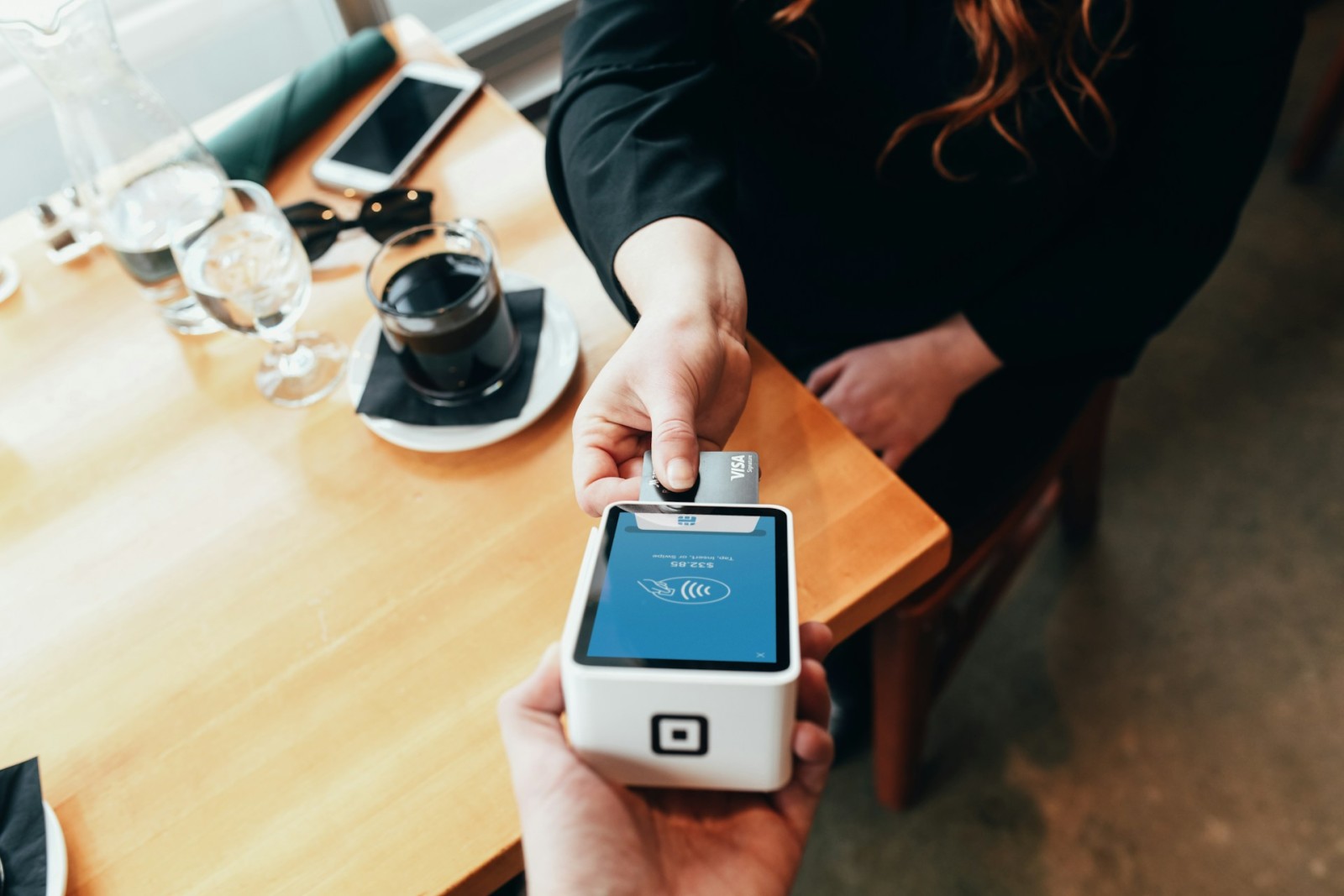
Cash makes the trade obvious. You count bills, hand them over, and watch your wallet become lighter. A credit card replaces that physical loss with a quick tap, swipe, or click. The purchase feels smooth because the difficult part has been moved somewhere else.
Cash Makes the Cost Feel Real
Paying with cash creates a direct connection between the item and its price. If you have sixty dollars in your wallet and spend forty, the remaining twenty dollars provides instant feedback. There is no need to open an app, wait for a transaction to post, or remember what else you purchased earlier.
That physical feedback can create a small amount of discomfort. You are not only gaining a product. You are also watching money leave your possession. The loss and the reward happen at the same moment, which makes the trade easier to evaluate.
Credit cards weaken that connection. The card looks exactly the same before and after the purchase. Your hand does not feel a difference, and your wallet does not appear emptier. Unless you check your balance immediately, the cost remains mostly invisible.
This does not mean cash always produces better decisions. It means cash provides a sensory reminder that digital and card payments often remove. When the reminder disappears, spending can feel less serious than it really is.
Credit Cards Separate Buying From Paying
The pleasure of buying and the discomfort of paying are usually connected. Credit cards loosen that connection by placing time between the two experiences.
Imagine buying dinner with cash. The pleasure of the meal and the loss of the money occur together. Now imagine paying with a credit card. You enjoy the dinner tonight, but the bill may not be due for several weeks. By the time payment is required, the meal is only a memory.
This delay changes the emotional structure of the transaction. The reward is immediate and specific. The cost is delayed and mixed together with many other purchases.
A monthly statement may include groceries, entertainment, transportation, subscriptions, and several small impulse purchases. Instead of feeling the cost of each decision separately, you face one large balance later. That balance can feel disconnected from the individual moments that created it.
The card therefore does more than postpone payment. It makes it harder to match each pleasure with its actual cost.
The Card Can Increase the Desire to Buy
Credit cards may not simply reduce the discomfort of paying. They may also make the act of purchasing more exciting.
Research discussed by MIT Sloan on credit cards and the brain’s reward system found that the opportunity to use a credit card activated brain regions connected with reward and anticipation. The card itself can become associated with the enjoyable experiences that usually follow a purchase.
This is similar to the way certain sounds, smells, or places can create anticipation. The smell of food can make you hungry before you see the meal. A shopping app notification can create excitement before you know what is being offered. A credit card may act as another cue that tells the brain a reward is available.
Over time, repeated use can strengthen that association. You tap the card, receive something desirable, and experience a brief emotional lift. The payment method becomes part of the reward routine.
This helps explain why simply carrying a card can feel different from carrying a fixed amount of cash. The card represents access to possibilities rather than a visible limit.
The Limit Does Not Feel Like Your Money
A credit limit is not income, but it can feel like available spending power.
If a card has a limit of ten thousand dollars and a balance of two thousand, the remaining eight thousand may appear to be usable money. Technically, it is borrowing capacity. Psychologically, the distinction can become blurry during a purchase.
Retailers reinforce this feeling by focusing on whether a transaction is approved. When the payment goes through, the purchase seems affordable because the system allowed it. Yet approval only means the lender is willing to extend credit. It does not mean the purchase fits your income, goals, or repayment capacity.
This is one reason credit card spending can grow gradually. Each purchase may represent only a small portion of the available limit. A seventy dollar dinner does not seem significant against several thousand dollars of unused credit.
The better comparison is not the purchase against the card limit. It is the purchase against the money available to repay the balance in full.
Small Purchases Become Harder to Notice
Credit cards make large purchases easy, but they can make small purchases almost invisible.
A coffee, delivery fee, digital rental, or convenience purchase may not feel important enough to consider carefully. The card processes each one quickly, and no physical money changes hands. The spending becomes part of the background of daily life.
Several small purchases can create a larger effect than one memorable expense. A person may clearly remember buying a three hundred dollar item but forget ten purchases of thirty dollars each. The total cost is the same, but the smaller transactions do not create the same emotional response.
This is especially true when transactions are spread across several cards, apps, and automatic payment systems. Each purchase appears in a different place, so the full pattern remains hidden until the accounts are reviewed together.
Real time alerts can help restore awareness. A notification that appears immediately after every charge reconnects the purchase with the balance. The payment becomes visible again before it fades into memory.
Rewards Make Spending Feel Productive
Credit card rewards can create another layer of psychological distance. A purchase may feel responsible because it earns points, miles, or cash back.
Rewards can be useful when the balance is paid in full and the card does not encourage additional spending. The problem begins when earning the reward becomes part of the reason for making the purchase.
Spending one hundred dollars to earn two dollars in rewards is still spending ninety eight dollars. The reward reduces the cost slightly, but it does not turn an unnecessary purchase into a financial gain.
Credit card marketing often places attention on what you earn rather than what you spend. Points accumulate visibly, while the cost may remain spread across a statement. This creates the feeling of progress even when the account balance is moving in the wrong direction.
A useful question is whether you would still make the purchase if no reward were offered. When the answer is no, the points may be influencing the decision more than the product itself.
Future You Receives the Bill
Credit cards allow present you to make decisions that future you must finance.
Present you gets the restaurant meal, vacation booking, or new shoes. Future you receives the statement and must fit the payment into a later budget. Because those two versions of you exist at different moments, it is easy to treat the repayment problem as distant.
This reflects a common tendency to value immediate benefits more heavily than future costs. The Federal Reserve Bank of St. Louis explains how present benefits can outweigh future financial consequences when people use debt to enjoy something now and postpone the expense.
The delay can make a purchase seem affordable even when it is not. A minimum payment appears manageable, so the full price receives less attention. Interest then extends the financial consequence long after the original benefit has disappeared.
Bringing future you into the decision can change the calculation. Before buying, consider which future paycheck will cover the charge and what that money would otherwise support.
Digital Payments Remove Even More Friction
The traditional credit card swipe already reduces the pain of paying, but newer payment methods remove even more steps.
A stored card allows you to buy without entering payment details. A digital wallet may require only a face scan or fingerprint. An online retailer can complete a purchase with one click. Some apps allow you to order without seeing the total until the final screen.
Each removed step improves convenience, but it also removes a chance to reconsider.
Entering a card number, checking the total, or opening a wallet creates a brief pause. That pause may be enough to notice that the purchase is unnecessary or more expensive than expected. When the process becomes nearly instant, the decision can be completed before doubt has time to appear.
Friction is often treated as a problem that technology should eliminate. In personal finance, a small amount of friction can be protective. It gives your budget time to participate in the decision.
You Can Put the Cost Back Into the Moment
Using a credit card does not require giving up control. The goal is to restore some of the feedback that the payment method removes.
One option is to check the account before making an unplanned purchase. Seeing the current balance makes the new charge less abstract. You can also enable instant transaction alerts so every purchase produces immediate financial feedback.
Removing saved card details from shopping sites can create another useful pause. You may still decide to buy the item, but entering the information manually gives you time to reconsider.
A spending limit based on available cash can also help. Instead of treating the credit limit as the boundary, decide how much money is already available for repayment. This keeps borrowing capacity separate from actual affordability.
Some people benefit from using cash for categories where overspending is common. Others pay their credit card several times each month so the cost stays connected to current spending. The specific method matters less than making the transaction visible.
The Statement Should Not Be a Surprise
A credit card statement is most dangerous when it feels like news.
If the final balance shocks you, the payment method has successfully hidden the accumulated effect of your choices. The goal is to know approximately what the statement will show before it arrives.
A brief weekly review can prevent this disconnect. Look at the total balance, recent transactions, and the amount available to repay it. Notice categories that are growing faster than expected and identify purchases you barely remember making.
This review should not be a punishment. It is a way to reconnect buying with paying while the decisions are still recent enough to understand.
Patterns become easier to change when they are visible. You may notice that card spending increases when you are tired, socializing, or browsing online at night. That information gives you something specific to address.
Easy Payment Needs Deliberate Awareness
Credit cards feel easy because they are designed to feel easy. They remove physical loss, delay the bill, combine many purchases into one balance, and create a smooth path from desire to ownership.
That convenience is not automatically harmful. Credit cards can provide security, rewards, purchase protections, and useful records. The risk appears when the ease of payment changes how much you buy or prevents you from feeling the real cost.
The solution is not necessarily to avoid credit cards. It is to stop treating the payment process as neutral.
A swipe, tap, or click changes the emotional experience of spending. Once you understand that, you can build habits that restore the missing signals. Check the balance, create pauses, use alerts, and compare every purchase with the money available for repayment.
The card may continue to feel effortless, but the decision behind it does not have to be automatic.
 Editorial staff