Editorial staff

- The Strategic Power of Physical Presence
- Talent Gravity: Why Skilled Workers Cluster Around Key Cities
- Challenges of Operating Headquarters in Major Business Cities
- Corporate Headquarters Locations and Their Influence on Business Ecosystems
- Brand Credibility and Market Perception
- Leadership Collaboration in the Remote Age
- Economic and Regulatory Advantages of Strategic Locations
- Balancing Cost Efficiency and Strategic Positioning
- Summary: Remote Work Reshaped Corporate Operations
Remote work changed many assumptions about business operations. Many leaders now believe location matters far less than before. Yet reality shows a different story. Corporate headquarters locations still influence strategy, leadership, and market credibility.
Companies may run distributed teams across several countries. Consider how companies choose between major business hubs. For example, firms often debate whether to base leadership in Manhattan or move operations to Miami. Both cities attract executives, investors, and global companies. These decisions highlight how location still carries strong strategic value.
However, decision-making still needs a central base. Of course, headquarters helps executives coordinate strategy and manage company direction. Remote tools help communication, yet they cannot fully replace physical alignment.
The Strategic Power of Physical Presence
Headquarters provides a clear center of leadership. Executives meet there to review strategy and coordinate decisions. Video meetings help, yet they rarely replace in-person debate.
Senior leaders often discuss confidential matters during physical meetings. These conversations require privacy and trust. Therefore, headquarters buildings remain important for strategic planning and sensitive negotiations.
Physical presence also strengthens company culture. Leadership teams interact more naturally during in-person work. Meanwhile, employees observe how executives communicate and solve problems. These interactions help reinforce shared values.
Talent Gravity: Why Skilled Workers Cluster Around Key Cities
Remote work expanded hiring options for many companies. Businesses can now recruit across several regions. Yet geography still shapes talent access.
Large cities attract skilled workers across many industries. Engineers, analysts, and designers often live near innovation hubs. For example, university networks supply a steady stream of graduates.
These environments create natural talent pipelines that will help you build your team. Students intern with local companies before graduation. Consequently, firms located nearby gain early access to skilled candidates.
Executives also value proximity to professional networks. Leaders exchange knowledge during events, conferences, and informal meetings. Likewise, mentors and advisors often operate within the same city.
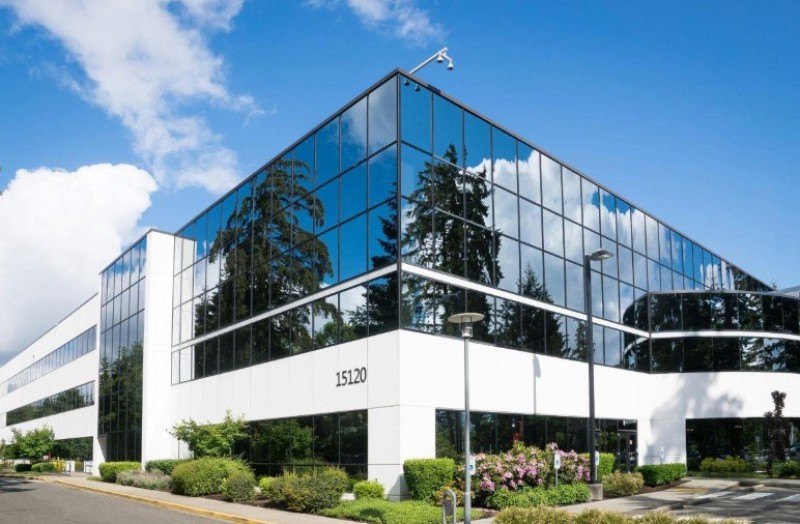
Challenges of Operating Headquarters in Major Business Cities
Major cities offer strong networks and visibility. Yet companies also face several challenges in these environments. For instance, operating costs in global hubs often rise quickly.
Cities such as New York City and Miami attract large corporations and investors. However, demand for office space drives up rent and property prices. As a result, many companies must balance prestige with financial pressure.
Business districts present another difficulty. Office space in Manhattan often comes with strict space limits. Companies sometimes struggle to fit teams, equipment, and meeting areas inside expensive office buildings. Consequently, many firms search for ways to manage limited space more efficiently.
Storage needs quickly become a concern. Companies accumulate equipment, documents, and event materials over time. Therefore, businesses often rely on commercial storage units to store extra assets safely outside the office.
Traffic congestion and commuting also affect daily operations. Employees may face long travel times in large metropolitan areas. Meanwhile, companies must consider transportation access when choosing headquarters locations.
Corporate Headquarters Locations and Their Influence on Business Ecosystems
Business ecosystems develop through local connections and infrastructure. Cities build environments that support entrepreneurship and corporate growth. As a result, companies often benefit from regional resources.
Governments actively compete for large headquarters investments. Tax incentives, grants, and infrastructure programs attract corporations. Consequently, companies sometimes receive major financial advantages through location decisions.
Transportation networks also influence productivity. Reliable airports, public transport, and logistics systems improve efficiency. Likewise, digital infrastructure supports research, technology development, and collaboration.
These ecosystems support long-term growth. Companies located in active economic centers often scale faster. Strong corporate headquarters locations often connect businesses to valuable partners and resources.
Brand Credibility and Market Perception
Headquarters location influences how stakeholders view a company. Many cities carry strong reputations within certain industries. This reputation can shape trust and credibility.
Financial centers often signal stability to investors. A firm based in a respected city may gain instant recognition. Naturally, this perception can influence partnership decisions.
Media visibility also increases in major business centers. Journalists frequently cover companies located in global hubs. As a result, firms headquartered there receive stronger exposure.
Client relationships may also depend on location. International customers often visit the headquarters before forming partnerships. However, remote companies sometimes struggle to provide similar impressions.

Leadership Collaboration in the Remote Age
Remote tools support daily communication across global teams. Messaging platforms and video calls connect employees quickly. Still, leadership collaboration often benefits from physical meetings.
Executive teams face complex decisions involving strategy, investments, and risk. These discussions often require deep debate and quick adjustments. Therefore, many companies maintain headquarters for leadership alignment.
Shared spaces also encourage creative thinking. Informal conversations often lead to new business ideas. In addition, face-to-face discussions reduce misunderstandings during complex negotiations.
Board meetings also occur frequently at headquarters. Directors review company performance and future plans during these gatherings. Likewise, investors often prefer meeting executives in person.
Economic and Regulatory Advantages of Strategic Locations
Corporate location decisions often involve regulatory stability and financial analysis. Governments design policies to attract large corporations. These incentives can influence headquarters choices.
Tax benefits remain one of the strongest incentives. Regions may reduce corporate taxes to attract global firms. Therefore, companies carefully compare economic conditions across potential locations.
Legal frameworks also vary widely across countries. Strong regulatory systems support business stability. In addition, companies benefit from reliable intellectual property protection.
Access to financial services further strengthens certain cities. Banks, investment firms, and advisors often cluster in key economic centers. Consequently, corporations located nearby gain faster access to capital.
Balancing Cost Efficiency and Strategic Positioning
Companies often balance cost savings against strategic benefits. Some cities offer lower rent and operating expenses. These savings may appear attractive at first.
However, low-cost locations sometimes reduce access to talent and investors. In contrast, major cities provide stronger professional networks. These networks often support faster growth.
Many companies now adopt hub-and-spoke models. The headquarters remains in a major city. Smaller offices operate in lower-cost regions.
This structure supports both efficiency and influence. Leaders maintain presence in important markets. Meanwhile, distributed teams reduce overall operating expenses.

Summary: Remote Work Reshaped Corporate Operations
Remote work transformed how companies organize their workforce. Teams collaborate across cities and countries every day. Yet geography still plays a critical role in corporate success.
Headquarters provides leadership coordination and strategic direction. They also connect companies to talent networks and investors. Therefore, businesses continue to evaluate corporate headquarters locations carefully.
Cities remain powerful economic ecosystems. They bring together universities, venture capital, media, and professional services. Consequently, firms located within these environments often benefit from strong partnerships.
Meta: Why corporate headquarters locations still matter in the remote era. Learn how location affects talent, strategy, reputation, and growth.
 Editorial staff