Editorial staff
- Why Truck Accidents Are Legally Different
- How Insurance Companies Investigate Truck Accidents
- Negligence as the Core Legal Standard
- Multiple Insurance Policies Add Complexity
- The Importance of Federal Safety Regulations
- Common Insurance Tactics Used in Truck Accident Cases
- Why Timing and Evidence Matter
- How Legal Standards Shape Outcomes
- Conclusion
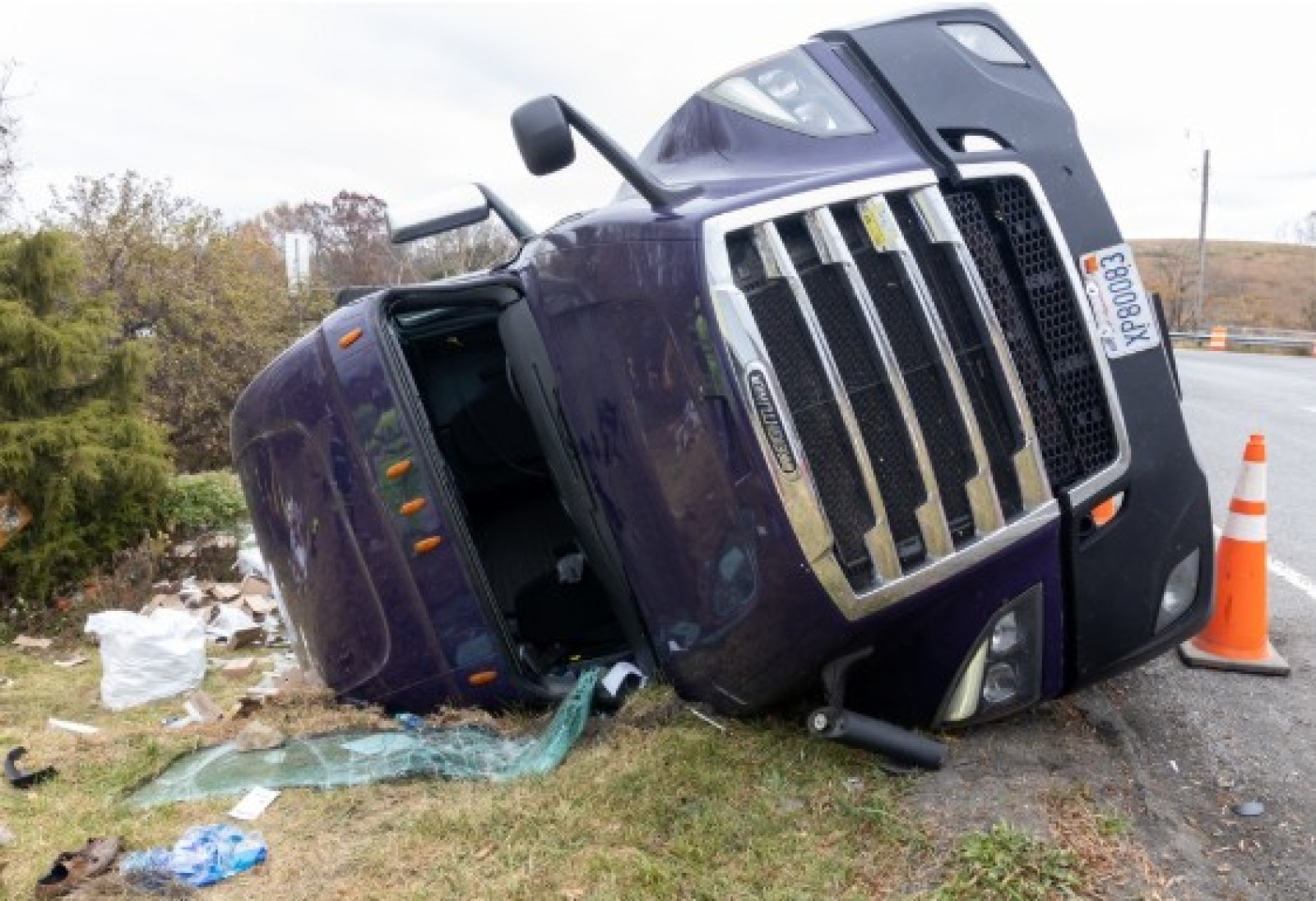
Large trucks are part of daily traffic, moving goods and keeping businesses running. Most drivers never think twice about them until a crash happens. After a truck accident, confusion sets in fast. Injuries can be serious, damage can be severe, and insurance calls begin almost immediately. What many people do not realize is that truck accident cases follow a very different legal path than regular car crashes. A truck accident injury claim is shaped by strict laws, multiple responsible parties, and detailed investigations. Understanding the legal standards behind these claims helps explain why they take time and why early decisions matter more than people expect.
Why Truck Accidents Are Legally Different
Truck accidents are governed by more rules than ordinary vehicle crashes. Commercial trucks must follow state laws and federal safety regulations. These rules cover driver work hours, rest breaks, vehicle inspections, maintenance schedules, and cargo loading.
Because of these regulations, responsibility may extend beyond the driver. The trucking company, maintenance providers, or cargo handlers may also be involved. Insurance claims must account for each party, which makes these cases more complex from the start.
How Insurance Companies Investigate Truck Accidents
Insurance companies approach truck accidents with caution. These claims often involve high costs, so insurers move quickly to protect their interests.
They usually examine:
- Police and crash reports
- Driver logbooks and work schedules
- Vehicle maintenance and inspection records
- Electronic data from the truck
- Witness statements and photographs
Each detail is reviewed carefully. If evidence is missing or delayed, insurers may argue that fault cannot be proven clearly.
Negligence as the Core Legal Standard
Most truck accident cases are based on negligence. Negligence means someone failed to act with reasonable care, and that failure caused harm.
In truck accident cases, negligence may include:
- Driving longer hours than allowed
- Speeding or distracted driving
- Poor vehicle maintenance
- Improper cargo loading
- Ignoring safety rules
These claims must be supported by solid evidence. Insurance companies often challenge negligence arguments unless documentation clearly shows how safety standards were violated.
Multiple Insurance Policies Add Complexity
Truck accidents often involve more than one insurance policy. A driver may have personal coverage, while the trucking company carries commercial insurance. Additional policies may apply to trailers, cargo, or contractors.
This leads to disputes over:
- Which policy applies first
- How coverage limits interact
- Whether exclusions reduce payment
Handling a truck accident insurance claim requires careful review of all policies involved. Insurers may delay or dispute responsibility to reduce payouts.
The Importance of Federal Safety Regulations
Federal safety regulations play a major role in truck accident cases. These rules set minimum safety standards for commercial trucking operations.
Violations of these regulations can support negligence claims. Skipping inspections or exceeding driving hour limits may indicate unsafe practices. Insurance companies often try to minimize the importance of these violations.
Common Insurance Tactics Used in Truck Accident Cases
Insurance companies are not neutral parties. Their goal is to manage financial risk. In truck accident claims, common tactics include:
- Asking for recorded statements early
- Offering quick settlements before injuries are fully understood
- Questioning medical treatment or injury severity
- Arguing for partial fault to reduce compensation
These tactics can affect outcomes if not handled carefully.
Why Timing and Evidence Matter
Evidence in truck accident cases does not last forever. Driver logs may be overwritten. Electronic data can be lost. Vehicles may be repaired or returned to service.
Delays can weaken even strong claims. Legal standards require proof, and proof depends on preserved evidence.
How Legal Standards Shape Outcomes
The outcome of a truck accident case depends on more than the severity of the crash. It depends on how well legal standards are applied. Clear proof of negligence, accurate insurance analysis, and proper documentation influence negotiations and decisions.
Conclusion
Truck accident insurance claims are guided by laws, safety regulations, and layered insurance structures. These legal standards explain why truck accident cases are complex and why careful handling is essential. Understanding how negligence, insurance rules, and evidence work together helps people avoid costly mistakes and move forward with clarity.
 Editorial staff