Editorial staff
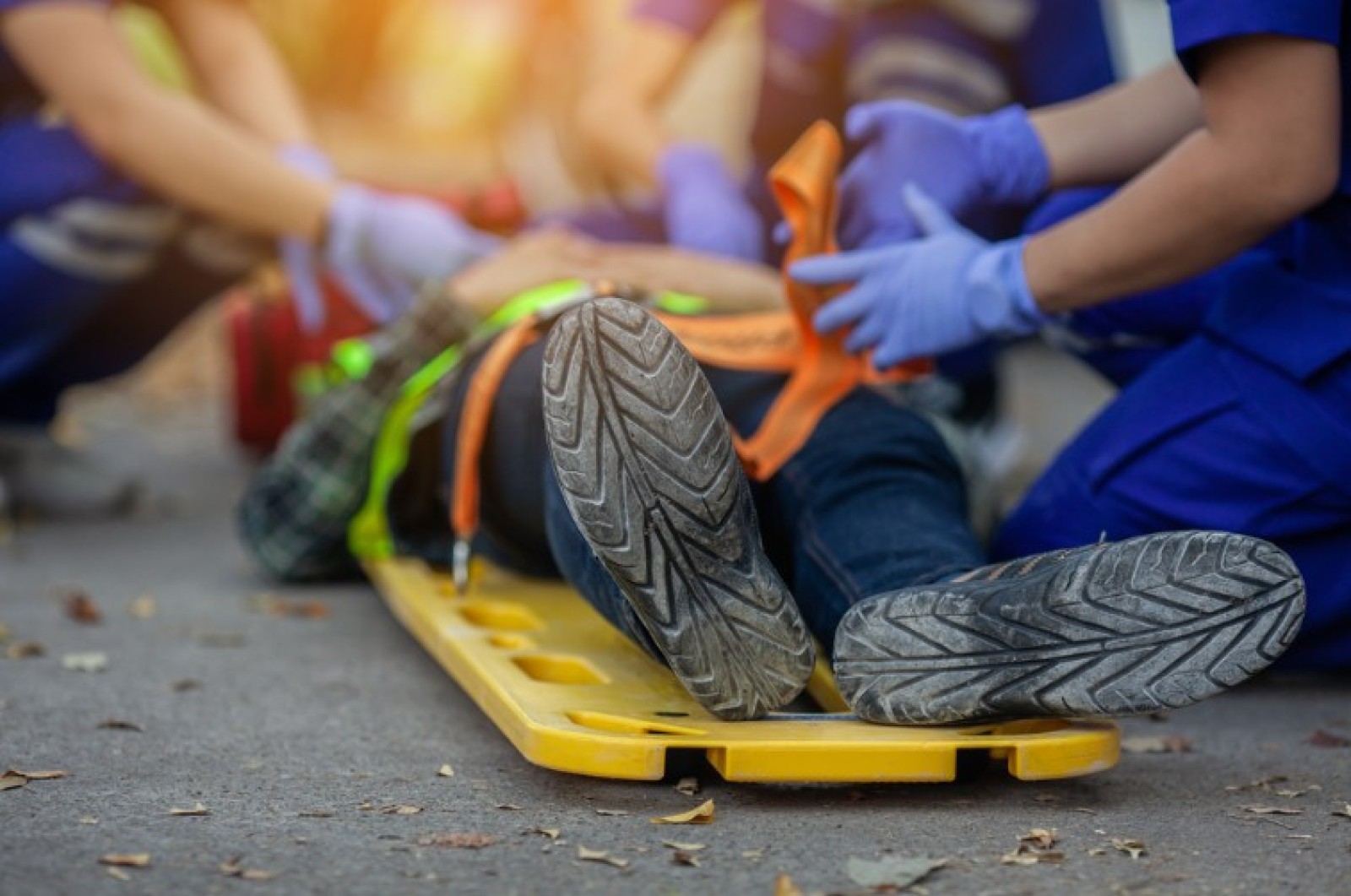
Safety does not disappear all at once, and that is the part most people fail to notice.
It fades slowly, through small gaps that feel normal during daily work but quietly build into something risky. A construction site may look active and well-managed, yet hidden issues can still grow beneath that surface. This is often where the role of construction accident lawyers becomes relevant, as they see how these unnoticed gaps turn into serious situations later. The shift is not sudden, but the outcome can be.
These early changes deserve attention before they become harder to control.
The Early Signs That Often Go Unnoticed
Every unsafe situation begins with something that seems harmless. A worker may skip a quick safety check because the task feels familiar and routine. A supervisor may allow a shortcut because the work needs to move faster and deadlines feel more important in that moment.
Communication also plays a strong role in this pattern. If instructions are not clear, workers may rely on guesswork instead of proper direction. If concerns are not shared openly, risks stay hidden and continue to grow without being noticed. Overconfidence adds another layer, especially in places where tasks are repeated daily and start to feel easy.
These early signs do not stand out. They slowly blend into the routine and become accepted as normal behavior. That is what makes them dangerous, because no one stops to question them.
Where the Actual Slip Happens
The point where safety slips is rarely loud or dramatic. It does not always come from a major mistake or a sudden breakdown. Instead, it often comes from a simple moment where something important is overlooked or delayed.
A loose connection is ignored because it looks minor. A warning is not taken seriously because nothing has gone wrong yet. A safety step is skipped because everything feels under control. These actions seem small, but they sit on top of many earlier gaps that have already weakened the system.
This is why accidents do not begin at the visible point of damage. They begin much earlier, in the small choices that shape how work is done every day.
Common Construction Situations Where Safety Breaks Down
Certain situations on construction sites carry more risk because they depend on consistent attention and proper handling at all times.
- Working at heights becomes unsafe if harness checks are rushed or platforms are not stable
- Heavy equipment use turns risky when machines are not maintained or handled with care
- Electrical work creates danger when exposed wires or poor connections are ignored
- Material handling leads to harm if items are stored or lifted without a proper method
- Site management issues grow when supervision is weak or instructions are unclear
These situations are common across many sites, yet they rely heavily on strong safety habits. Once those habits begin to weaken, the risk increases without much warning.
Why These Slips Turn Into Serious Consequences
Construction sites are complex environments where many activities happen at the same time. A small error in one area can quickly affect other parts of the site. This creates a chain reaction where one problem leads to another, making the situation more difficult to control.
The consequences are not always immediate, but they are often serious. A missed safety step can lead to injuries that affect work, time, and overall stability. What started as a minor oversight becomes something much bigger because it was not addressed early.
This is also where responsibility becomes an important part of the situation. Many of these incidents are not random. They come from gaps that were allowed to exist without correction.
The Line Between Safe Work and Legal Responsibility
Every construction site operates with a duty of care. This means that those responsible must take reasonable steps to keep the environment safe for everyone involved. Employers, contractors, and site managers all share this responsibility.
When safety measures are ignored or not followed properly, that duty is not fulfilled. The situation then moves beyond a simple mistake and becomes a matter of accountability. The focus shifts to whether proper care was taken and whether the risk could have been reduced.
Legal responsibility is not only about the injury itself. It is about the conditions that led to it and the actions that allowed those conditions to continue.
Wrap Up!
The point where safety slips is not always easy to see, but its impact becomes clear once the outcome appears. It develops through repeated actions, overlooked details, and small decisions that slowly shape the work environment.
Looking at these patterns changes how such situations are understood. It is no longer about a single event but about the chain of actions behind it. In this space, construction accident lawyers often examine how these conditions formed and whether better care could have prevented the result.
 Editorial staff