Editorial staff
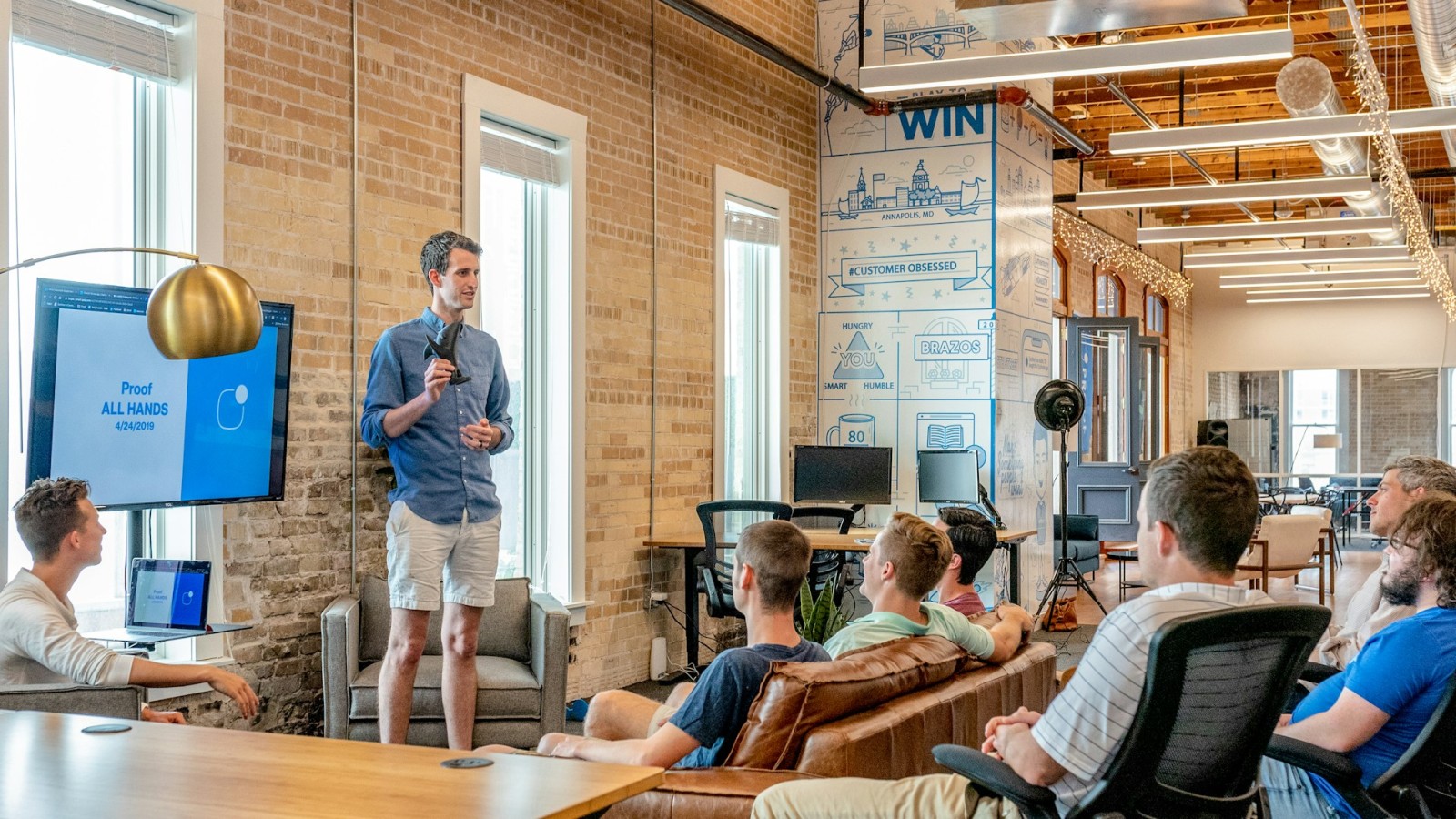
This shift does not happen by accident. It is almost always the result of intentional investment, the kind that well-designed leadership programs make possible when they are built around developing people at every level of a team, not just those with formal authority.
Why Waiting for Direction Becomes a Habit
In many organisations, the habit of waiting is quietly reinforced over years. Teams learn that decisions made without approval carry risk. They learn that raising a hand invites scrutiny. They learn that the safest move is often to pause and defer, even when they already know the answer.
This is not a failure of individual ambition. It is a cultural pattern, and like all cultural patterns, it is learned. Learned behaviour can be replaced with something better. Teams that move from passivity to proactive decision-making do so because something in their environment changed and gave them both the tools and the permission to operate differently.
The insidious quality of this pattern is how invisible it becomes over time. People who have spent years in an environment that rewards deference stop experiencing deference as a choice. It simply becomes how things work. The instinct to wait before acting, to seek approval before committing, to frame initiative as a question rather than a statement — these behaviours feel natural because they have been practised so consistently that they have ceased to feel like behaviours at all. Interrupting that pattern requires more than encouragement. It requires a sustained change in the environment itself, one that makes different behaviour not just permissible but structurally supported. Until the environment changes, individual exhortations to be more proactive tend to produce little more than temporary and superficial adjustment.
What Changes When People Are Developed, Not Just Managed
Management keeps work moving. Development changes how people relate to the work itself. When team members are given structured opportunities to build judgement, to practise leading from wherever they sit, and to understand how their decisions connect to broader outcomes, something important shifts in how they show up.
They stop waiting because they no longer feel the need to. The uncertainty that once prompted deference has been replaced by a grounded sense of what they are capable of and what they are trusted to do. That confidence is not built through encouragement alone. It is built through experience, through being stretched in a supported environment, and through moments where their initiative produced something better than waiting would have.
The distinction between management and development is worth holding clearly, because organisations frequently conflate the two and then wonder why investment in one does not produce the outcomes associated with the other. Management is directional. It allocates tasks, monitors progress, and ensures that the work gets done. Development is transformational. It changes the person doing the work in ways that persist across tasks, roles, and contexts. A well-managed team performs well under good management. A well-developed team performs well regardless of the management it receives, because the capability and judgement required to navigate uncertainty have been built into the people themselves rather than residing in the oversight structure above them.
The Team Becomes the Engine
When enough people within a team have developed that internal confidence, the dynamic of the whole group changes. Leadership is no longer concentrated at the top and rationed downward. It circulates. Different people lead on different challenges depending on where their strengths are most useful. The team becomes self-correcting, self-motivating, and more resilient than it was when direction flowed in only one direction.
This is the outcome that organisations are ultimately seeking when they invest in developing their people. Not compliance, not efficiency alone, but genuine collective capability. A team that does not need to be told what to do because its members have developed the judgement, the confidence, and the sense of shared purpose to figure it out.
The resilience that comes with this kind of distributed leadership is one of its most practically valuable features. A team that depends heavily on centralised direction is vulnerable whenever that direction is unavailable. Key people travel, fall ill, move on, or simply become stretched across too many competing demands. When leadership lives only at the top, any disruption to those at the top disrupts the whole system. A team in which leadership capacity is genuinely distributed does not experience the same fragility. The loss or absence of any single person does not create a vacuum, because the capability to step forward, to make decisions, and to maintain momentum exists throughout the group.
Starting the Shift
The transition from a team that waits to a team that creates does not require replacing people. It requires investing in them. It requires creating deliberate opportunities for leadership behaviour to emerge, be practised, and be reinforced. It requires a culture where taking initiative is rewarded rather than quietly penalised.
Organisations that have made this transition point to the same inflection. It was not a single decision or a restructure. It was a sustained commitment to developing people at every layer, trusting that the investment would compound. It does. The return on that investment is not always immediately legible in the metrics that organisations typically track. It shows up in the quality of decisions made without escalation, in the problems solved before they became visible to senior leadership, in the initiatives taken without being prompted, and in the quiet but unmistakable momentum of a group that has stopped looking upward and started looking forward. The teams that come out the other side do not wait for direction anymore. They are too busy creating it.
 Editorial staff