Editorial staff
LNG prices are climbing, up over 50% in 2026. And with that move, a familiar chain reaction is starting to take shape across industrial energy markets.
Natural gas doesn’t send warnings. It reprices, and by the time industry reacts, margins are already under pressure. What begins as a commodity shift quickly turns into an operational problem for companies that rely on heat as a core input.
And unlike other costs, heat isn’t optional.
That’s where the real story begins.
The Hidden Pressure Inside Industrial Margins
Global industry doesn’t run on electricity alone. It runs on heat. Steel, chemicals, food processing, paper, and manufacturing—thermal energy sits at the center of production.
For decades, natural gas has been the default solution. It was cheap, available, and predictable enough to ignore.
That predictability is fading.
LNG is no longer just a fuel input. It’s a globally exposed commodity shaped by geopolitics, infrastructure constraints, and demand shocks. When it moves, it doesn’t drift. It jumps.
And when it does, the impact doesn’t stay upstream. It lands directly on balance sheets.
Companies don’t debate that kind of pressure. They respond to it.
When Cost Becomes a Catalyst
There’s a point where energy stops being a background expense and becomes a strategic liability. LNG is pushing more industrial players toward that line.
That shift tends to surface quickly in the companies already positioned to benefit.
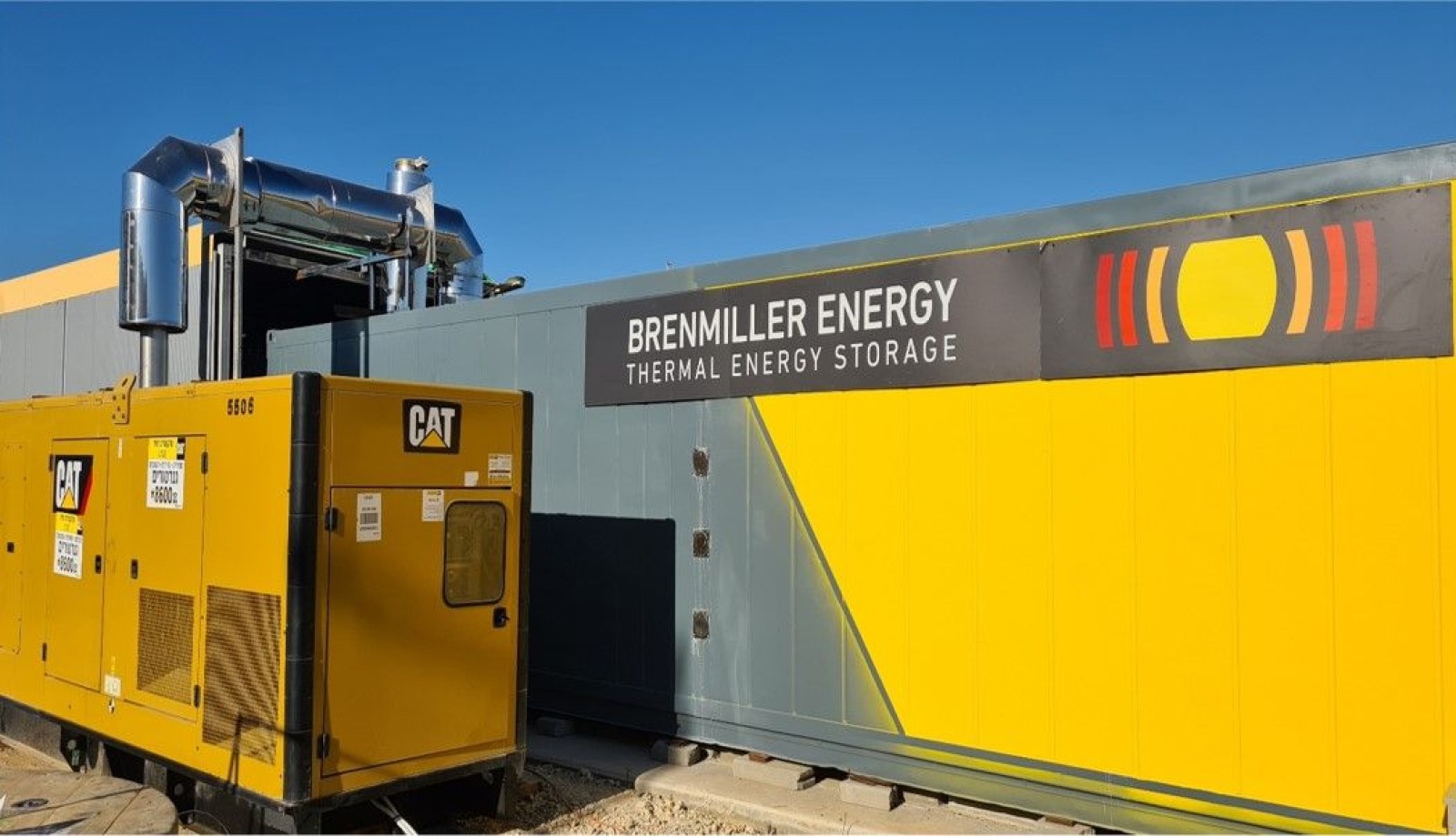
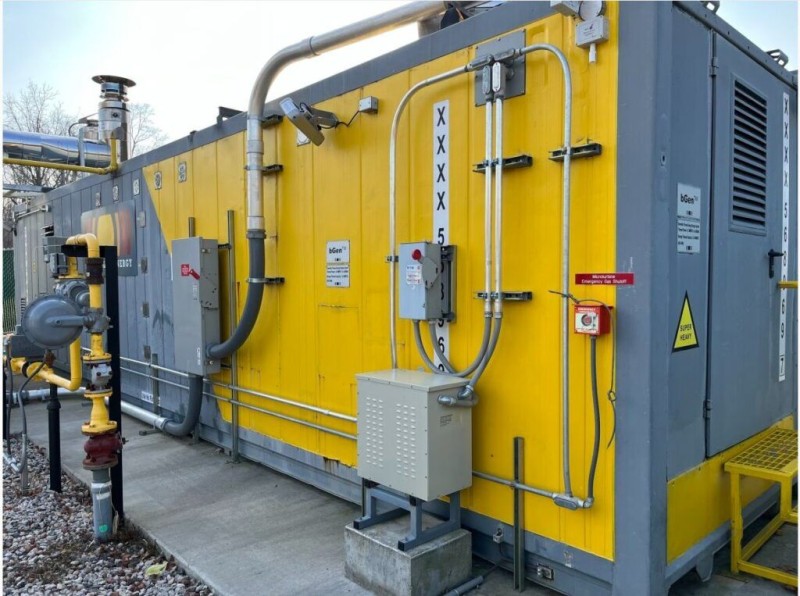
Brenmiller Energy (NASDAQ: BNRG) sits squarely in that category. Its model is simple in concept and disruptive in practice. Use electricity, often when it’s cheapest, convert it into stored heat, and deliver that heat on demand for industrial use.
No combustion. No fuel dependency. No exposure to volatile gas markets.
For years, that value proposition competed against one reality: gas was cheap enough that switching didn’t feel urgent.
That’s no longer guaranteed.
From Optional to Actionable
When LNG prices rise, internal conversations shift fast. What used to be framed as innovation starts getting evaluated as cost control.
That distinction matters.
If a system can take low-cost electricity and convert it into reliable industrial heat, it stops being a concept and starts being a line-item decision. And when the spread between electricity and gas widens, the economics don’t just improve—they accelerate.
Shorter payback periods. Faster procurement cycles. Fewer internal barriers.
That’s when the dynamic changes.
Not from awareness to interest—but from interest to execution.
And in markets, that’s where attention tends to follow.
Volatility Is the Real Trigger
High prices get headlines. Volatility drives decisions.
Industrial operators can plan around expensive inputs. What they struggle with is unpredictability. When fuel prices swing, forecasting breaks down, and that introduces risk far beyond the energy line item.
Stability becomes valuable.
Thermal energy storage systems offer something different. Store energy when electricity is cheap. Deploy it when needed. Reduce exposure to fuel markets entirely. Better still, sell the excess.
That doesn’t just lower costs. It changes how those costs behave.
And for industries where energy can dictate margins, that shift is meaningful.
Why This Cycle Looks Different
It would be easy to frame this as another commodity cycle. Gas rises, alternatives gain attention, then prices fall, and everything resets.
But the backdrop has evolved.
Electrification is advancing. Renewable generation is expanding. Infrastructure is improving. And industrial companies are no longer assuming that fuel prices will remain stable.
That changes behavior.
Once a facility commits to electrified heat infrastructure, it doesn’t easily unwind that decision. The shift is capital-intensive upfront, but it locks in flexibility and reduces exposure to future volatility.
That combination of readiness and urgency is what often defines the early stages of broader adoption curves.
Where the Market Starts Paying Attention
Markets tend to focus on the commodity itself. The more important signal is how companies respond to it.
When LNG rises, the pressure moves downstream, forcing industrial operators to rethink how they generate heat. That’s where technologies like thermal energy storage move out of the margins and into active consideration.
Historically, when a solution shifts from optional to necessary, the companies already positioned in that category don’t need to chase attention.
It finds them.
*This article is for informational purposes only and should not be considered investment advice. Readers should conduct their own research and consult a qualified financial advisor before making any investment decisions.
 Editorial staff