Editorial staff
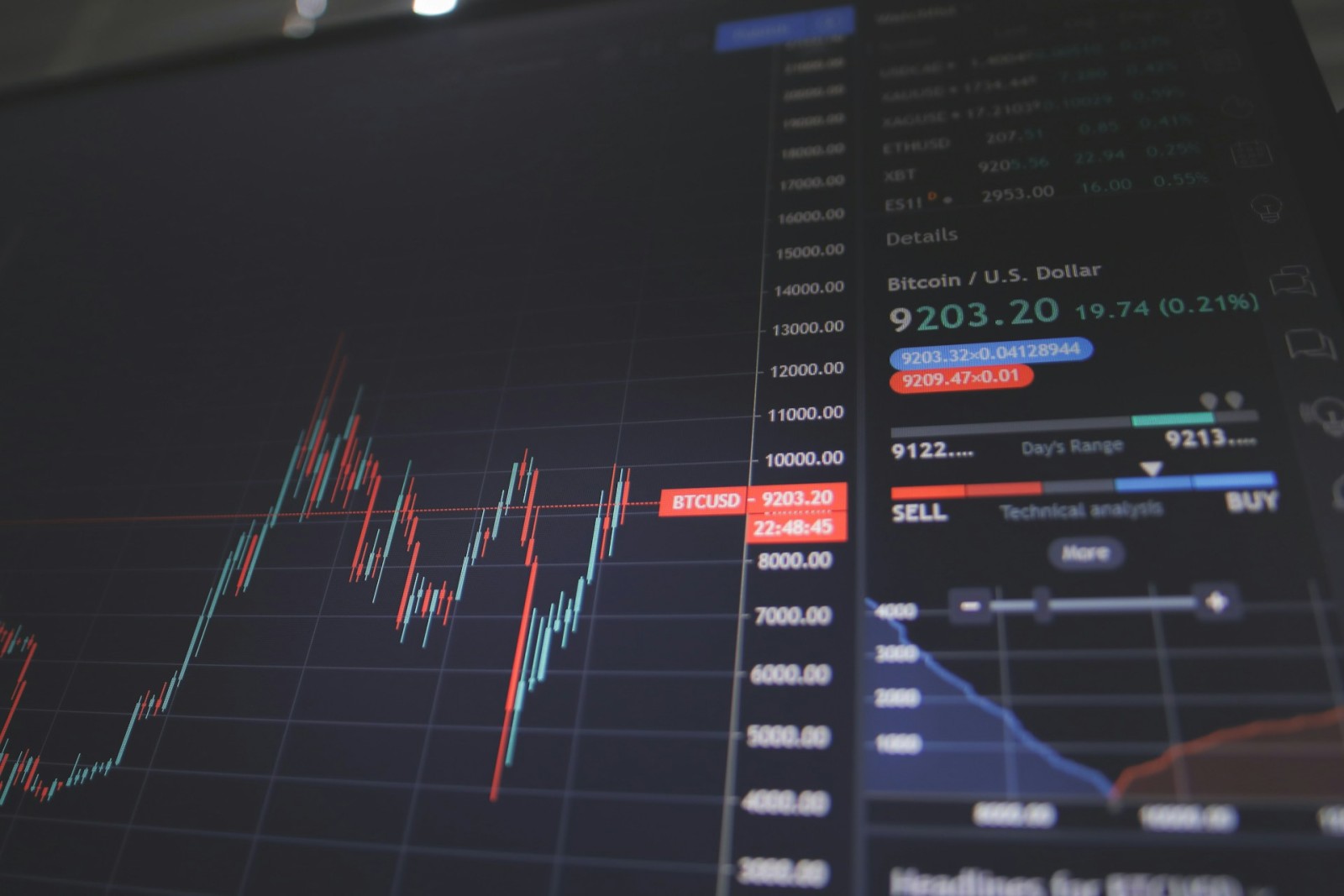
What’s less visible is everything happening in the background. The moment you click buy or sell, your order enters a system involving brokers, liquidity providers, banks, and routing technology working in milliseconds. Prices are streamed, risk is managed, and trades are either matched internally or sent to the wider market.
Most traders never think about this layer. But once you do, the brokerage business starts to look less like a platform and more like a full ecosystem.
What Does a Broker Actually Do?
At its core, a broker connects you to the market, but the role goes far beyond execution. Since FX has no central exchange, brokers handle how and where your trade is processed.
Some act as market makers, taking the opposite side of trades and managing risk internally. Others use STP or ECN models, routing orders to external liquidity providers. In practice, most operate a hybrid model, switching between internalization and external execution based on exposure.
Brokers also aggregate prices from multiple sources and stream them to your platform, ensuring continuous bid and ask quotes. On top of that, they provide leverage, margin calculations, and account management in real time.
Platforms like MetaTrader 5 are only the front end. The actual execution, routing, and hedging happen behind the scenes within milliseconds.
How Brokers Contribute to the Market
Brokers are more than an entry point. They actively shape how the market functions.
They make FX accessible to retail traders and smaller institutions by offering platforms, leverage, and smaller trade sizes. Without this layer, participation would be limited to large financial institutions.
They also distribute liquidity by aggregating prices from multiple providers. This creates tighter spreads and more stable execution compared to relying on a single source.
Leverage plays a key role in volume creation, allowing traders to control larger positions and increasing overall market activity. At the same time, brokers maintain price continuity by streaming real-time quotes and smoothing differences between liquidity providers.
In short, brokers help make the market more accessible, liquid, and active.
Revenue Models of Brokerage Firms
Brokerage revenue is built on multiple small components rather than a single fee.
The most common is the spread, where brokers add a markup to the raw price. Over high trading volume, this becomes a steady income source.
Commissions are another layer, especially in ECN accounts where spreads are tighter and traders pay a fixed fee per lot. Then comes swap or overnight financing, applied to positions held beyond a trading day.
A more complex element is internalization (B-booking), where brokers take the opposite side of trades instead of sending them to liquidity providers. Combined with external hedging, this forms the basis of modern hybrid models.
Additional revenue may come from conversion fees, payment processing, and IB/affiliate partnerships, where brokers share revenue in exchange for client acquisition.
Overall, brokerage income relies on volume, efficiency, and risk management.
The Full Ecosystem Behind a Trade
A transaction is not just between you and the market. It involves multiple participants working together.
It starts with the trader, then moves to the broker, which handles execution and routing. From there, orders connect to liquidity providers, including banks like JPMorgan Chase and Deutsche Bank.
Behind them is the interbank market, where core pricing originates. Alongside this, technology providers ensure orders are transmitted and executed within milliseconds.
There is also a commercial layer including IBs, affiliates, media, and ad networks, which drive client flow, as well as regulators, who define the framework for transparency and trust.
Together, these layers form a highly interconnected system where each participant plays a specific role.
Holding a License vs Operating Offshore
Regulation is one of the key differences between brokers, but the reality is more nuanced than it first appears.
A licensed broker operates under strict regulatory frameworks, requiring client fund protection, audits, and capital reserves. Authorities like the Financial Conduct Authority or Cyprus Securities and Exchange Commission enforce these standards, offering more transparency but often lower leverage.
An offshore forex broker, on the other hand, operates with fewer restrictions. This allows for higher leverage, faster onboarding, and more flexible trading conditions, which can be attractive for certain traders.
The trade-off comes down to protection versus flexibility. Many brokerage groups combine both models, using regulated entities for security-focused clients and offshore structures for flexibility.
How Global Prices Are Determined
Unlike stocks, FX prices are not set in a single location. They are formed through a network of institutions.
At the core is the interbank market, where banks such as Citibank and others continuously quote bid and ask prices based on supply, demand, and macro conditions.
Liquidity providers distribute these prices, and brokers aggregate them into a single feed. What traders see on their platform is a combination of these quotes, sometimes with slight variations between brokers.
Prices move constantly in response to economic data, central bank actions, and geopolitical events. At the same time, competition between liquidity providers ensures pricing remains dynamic and competitive.
In simple terms, prices are not set. They emerge from continuous interaction between market participants.
Why the Industry Is Deeper Than It Looks
From the outside, the brokerage business can seem straightforward. A platform, a price chart, a buy or sell button. But once you start looking beyond that surface, it becomes clear that this industry operates on multiple layers at the same time.
A broker is not just a service provider. It sits at the intersection of finance, technology, and risk management. Every trade involves pricing from liquidity providers, execution decisions, exposure control, and real-time system performance. At the same time, the business itself depends on marketing networks, partnerships, and client flow to sustain volume.
There is also a constant balance happening in the background. Brokers manage risk through internalization and external hedging, monitor client behavior, adjust spreads, and maintain stable execution even during volatile conditions. This is not a static setup. It is an environment that needs to adapt continuously as market conditions change.
On top of that, the global nature of the industry adds another layer. Different jurisdictions, regulatory frameworks, and client expectations shape how brokers operate. What works in one region may not work in another, which is why many firms build flexible structures to serve different segments of the market.
When you combine all these elements, the brokerage business starts to look less like a simple trading interface and more like a complex operational system. Most traders only interact with the front end, but the real depth comes from everything happening behind it.
 Editorial staff