
 Editorial staff
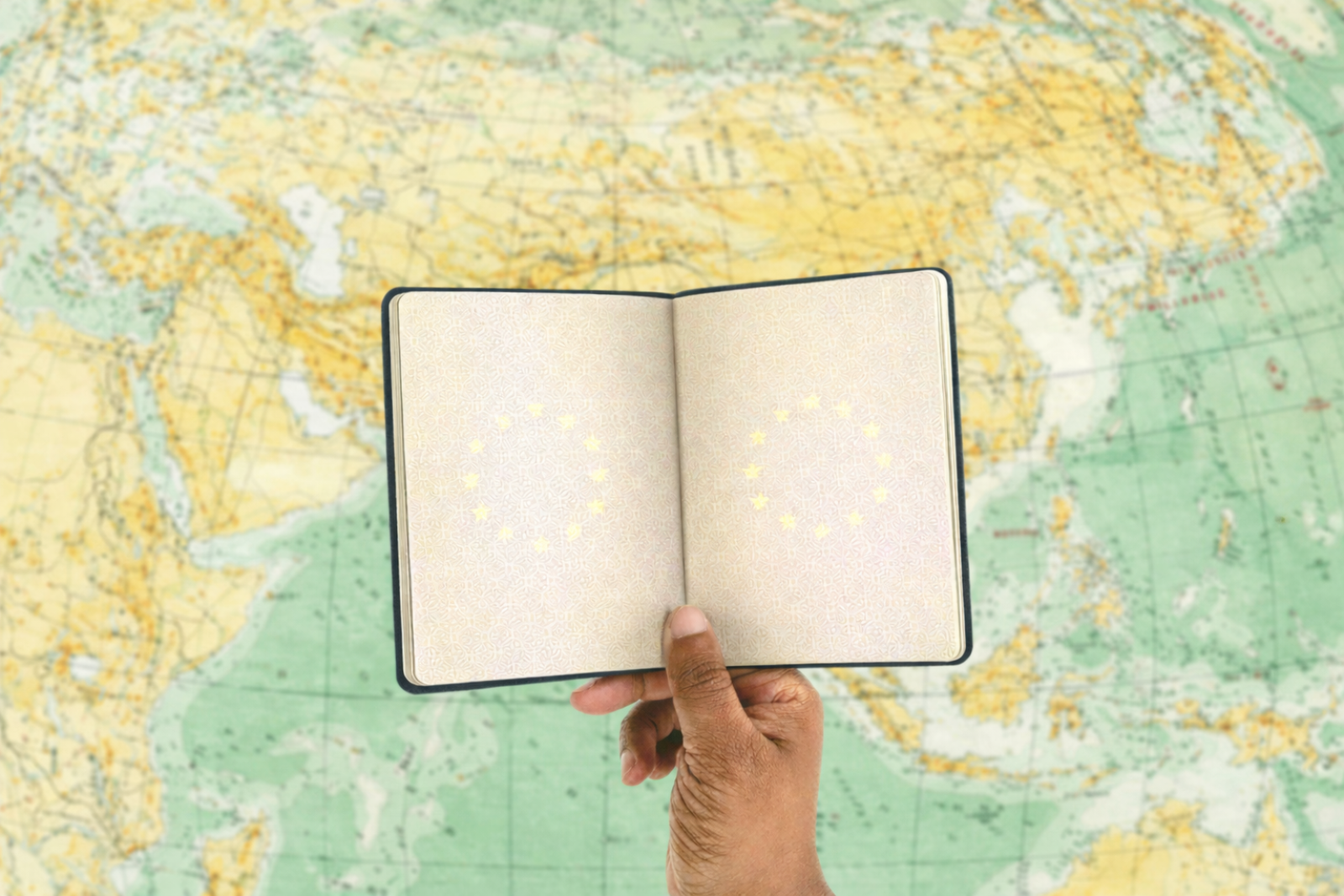
For millions of people around the world — from South America to Australia, from the United States to South Africa — Lithuania is more than a small Baltic nation. It is a homeland, a memory passed down through generations, and today, it can be a very real legal status. If your grandparents or great-grandparents once called Lithuania home, you may have more rights than you realize. Reclaiming your heritage through lithuanian citizenship by descent is one of the most powerful and life-changing legal steps you can take in the 21st century.
What Is Citizenship by Descent?
Citizenship by descent — sometimes called jus sanguinis — is the legal principle that allows a person to claim the nationality of their ancestors. Unlike naturalization, which requires years of residency, language exams, and integration tests, citizenship by descent is rooted in bloodline and history. Lithuania has one of the more generous frameworks for this type of claim in the European Union, making it an attractive path for descendants of Lithuanian emigrants scattered across the globe.
Who Is Eligible?
The eligibility criteria for Lithuanian citizenship by descent are clearer than most people expect. You may qualify if:
-
At least one of your parents, grandparents, or great-grandparents was a citizen of the Republic of Lithuania, which existed from 1918 to 1940
-
That ancestor left Lithuania before March 11, 1990, when Lithuania restored its independence
-
Your ancestor emigrated to a country outside the former Soviet Union — or, in some Soviet-Union-related cases, left under specific qualifying circumstances
Importantly, you do not need to speak Lithuanian, pass any language exam, or reside in Lithuania to obtain citizenship. There is no cultural integration requirement. This makes the process accessible to descendants who may have never even visited the country.
Why Lithuanian Citizenship Matters
Obtaining Lithuanian citizenship is not just a sentimental journey — it is a strategic life decision. Lithuania has been a full member of the European Union since May 1, 2004, which means that a Lithuanian passport is, in every practical sense, an EU passport. The privileges that come with it are extensive:
-
Freedom of movement — live, work, study, and retire in any of the 27 EU member states without a visa or work permit
-
Visa-free travel — access to over 180 countries worldwide, including the United States, Canada, Japan, and the United Kingdom
-
Free or subsidized education — EU nationals enjoy dramatically reduced university tuition across Europe, and in many countries, higher education is entirely free
-
Healthcare access — public healthcare across most EU countries is free or heavily subsidized for EU citizens
-
Business opportunities — starting a company or opening a bank account within the EU is dramatically simplified for passport holders
-
Generational benefit — your children and grandchildren born after you receive citizenship will automatically inherit EU citizenship as well
This last point is particularly significant. Lithuanian citizenship by descent is not just an asset for you — it is a legacy you establish for future generations.
The Application Process: Step by Step
Many people assume the process is overwhelming, but with the right support, it is far more manageable than expected. The general journey looks like this:
-
Eligibility assessment — You provide details about your ancestor: their full name, date of birth, birthplace in Lithuania, and approximate date of departure. An expert reviews whether you qualify.
-
Document gathering — The most time-consuming phase involves locating archival documents in Lithuania, Germany, or your country of residence. These include birth certificates, naturalization records, and marriage certificates (to trace name changes).
-
Application preparation — All documents must be translated, certified, and compiled according to Lithuanian Migration Department standards.
-
Submission and follow-up — The application is submitted directly in Lithuania, and the Migration Department then reviews the case, which typically takes six to nine months.
-
Citizenship granted — You receive your Lithuanian passport and become a full EU citizen.
On average, the entire process from first contact to passport takes six to twelve months, though some cases have been resolved in as little as three months.
Dual Citizenship: Will You Lose Your Current Passport?
One of the most common concerns people raise is whether claiming Lithuanian citizenship means surrendering their existing passport. In most cases, the answer is no. Countries with large Lithuanian diaspora communities — including the USA, Brazil, Canada, Australia, the UK, Israel, Russia, South Africa, Mexico, and Colombia — generally permit dual citizenship.
There are exceptions. Countries like Japan, Venezuela, and Belarus do not recognize dual nationality, so it is essential to verify the specific rules of your country of residence before proceeding. A qualified legal specialist can advise you on this before you commit to the process.
Preserving a Legacy Worth Reclaiming
There is something deeply meaningful about restoring a citizenship that history tried to erase. Many Lithuanian ancestors left the country under occupation, wartime, or forced deportation — circumstances beyond their control. The Lithuanian legal framework recognizes this historical injustice and provides a clear path for descendants to restore what was once taken.
Whether your motivation is practical — access to EU rights and opportunities — or deeply personal — honoring a family story and keeping an ancestral identity alive — the path to Lithuanian citizenship is well-established, legally sound, and achievable. The documentation exists in archives. The law is on your side. The only step that remains is the first one.