Editorial staff
The AdSense problem nobody talks about
YouTube sends money to your bank account. Cool, except when it's not. High fees. Terrible exchange rates. Payment delays on top of YouTube's already ridiculous 60-day wait. And if you're not in a "preferred" country? Good luck dealing with restrictions, limited options, and banks that treat creator income like it's suspicious.
The internet is global. Creator businesses are global. Payment methods should be too.
Cards: spending money like a normal human
Virtual and physical cards solve the basic problem: turning YouTube earnings into money you can actually use anywhere.
Order something from Amazon US while living in Brazil? Done. Pay for an Adobe subscription in euros while earning in dollars? No problem. Book flights, buy equipment, subscribe to tools – cards work everywhere that accepts plastic, which is basically everywhere.
The advantage over waiting for bank transfers is speed. Money hits your card, you spend it immediately. No currency conversion anxiety, no wondering if your bank will flag the transaction, no explaining to customer service that yes, you really do earn money from YouTube.
Wallets: when banks don't get it
Digital wallets understand the creator economy better than traditional banks. PayPal, Payoneer, Wise – these platforms were built for people who earn globally and spend locally (or vice versa).
Wallets give you flexibility – AdSense doesn't. Hold multiple currencies. Send money to collaborators instantly. Pay international contractors without wire transfer fees that exceed the actual payment. Convert currency when rates are good, not when YouTube decides to process your payout.
Plus, many services and platforms prefer wallet payments over bank transfers. Hiring an editor in the Philippines? They probably want PayPal. Paying a thumbnail designer in India? Wise transfers work better than international wire transfers. Your business operates globally; your payment methods should match.
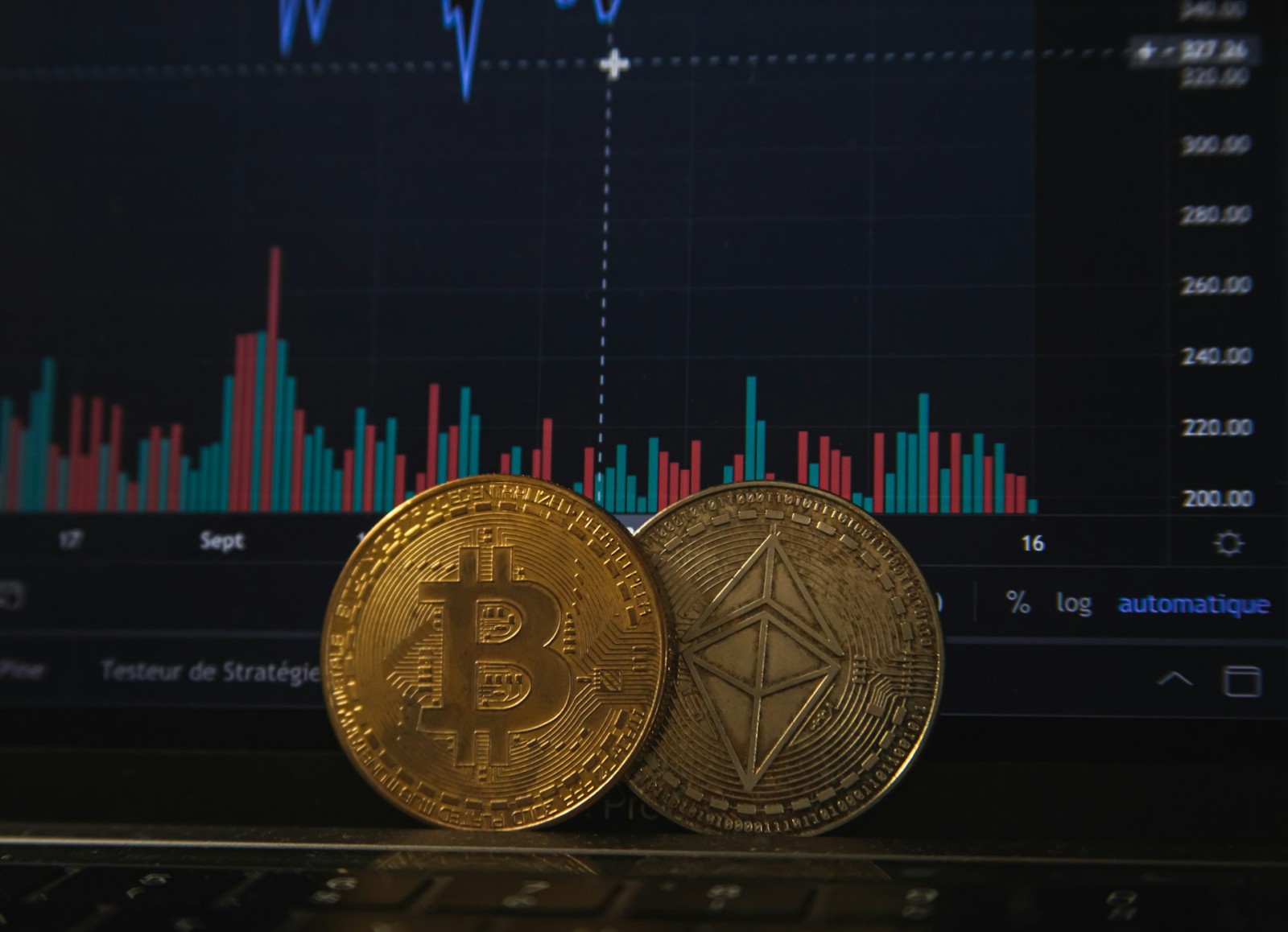
Crypto: actually useful now
For creators in countries with unstable currencies or restrictive banking, crypto isn't speculation – it's survival. Your local currency loses 30% value in three months? Holding earnings in stablecoins suddenly makes a lot of sense.
Crypto also solves cross-border payment problems that traditional systems can't. Sending money to a collaborator in a country with limited banking access? Bitcoin or USDT works when nothing else does. Need to preserve value while waiting out currency fluctuations? Stablecoins hold steady while your local bank account doesn't.
And before someone says, "but volatility," – stablecoins exist. USDT, USDC, and others are pegged to actual dollars. You get crypto's speed and accessibility without the rollercoaster price action.
Combine options your way
Smart creators don't pick one method. They use multiple transfer options strategically.
Daily expenses? Card. Saving for equipment? Wallet in stable currency. International collaborations? Crypto or wallet, depending on where they are. Long-term savings? Maybe traditional banks, maybe stablecoins, depend on your country's economic situation.
The point is flexibility. YouTube gives you one rigid payout method. Modern platforms give you ten. Which setup sounds better for running an actual business?
Location shouldn't limit you
Creators in the US have it easy. Creators everywhere else deal with:
- Conversion fees that eat 3-5% of every payment
- Banks that don't understand YouTube income
- Currency restrictions and capital controls
- Payment delays beyond YouTube's already slow schedule
- Limited options for accessing funds quickly
This isn't fair, but it is reality. The solution isn't complaining about AdSense – it's using better tools.
A creator in Nigeria using crypto to preserve earnings. A Ukrainian using cards to buy equipment internationally. An Indonesian holding USD in a digital wallet to avoid currency volatility. These aren't edge cases – this is how global creators actually operate.
Speed matters more than you think
Access method determines opportunity capture. Trending topic hits, but your money is locked in a bank transfer that takes five business days? Opportunity gone. Collaboration needs an upfront payment, but currency conversion takes three days? Deal falls through.
Fast payment methods mean fast decisions. Cards work instantly. Wallets transfer in minutes. Crypto moves in hours, not days. When content opportunities have 48-hour lifespans, payment speed isn't a convenience – it's a competitive advantage.
The real question
Not "which payment method is best?" but "why are you limiting yourself to one?"
YouTube earnings are just numbers until you can actually use them. How you access those numbers determines what you can build. Waiting for bank transfers while your competitor uses cards, wallets and crypto? They're moving faster, investing smarter, growing bigger.
Global payment options aren't complicated – they're essential. Your audience doesn't care what country you're in. Your financial tools shouldn't either.
Pick the methods that match your needs. Use cards for daily spending. Hold wallets for flexibility. Keep crypto options for when traditional systems fail. Mix them all if that's what works.
The creator economy is global. Your payment strategy should be, too.
 Editorial staff