Editorial staff
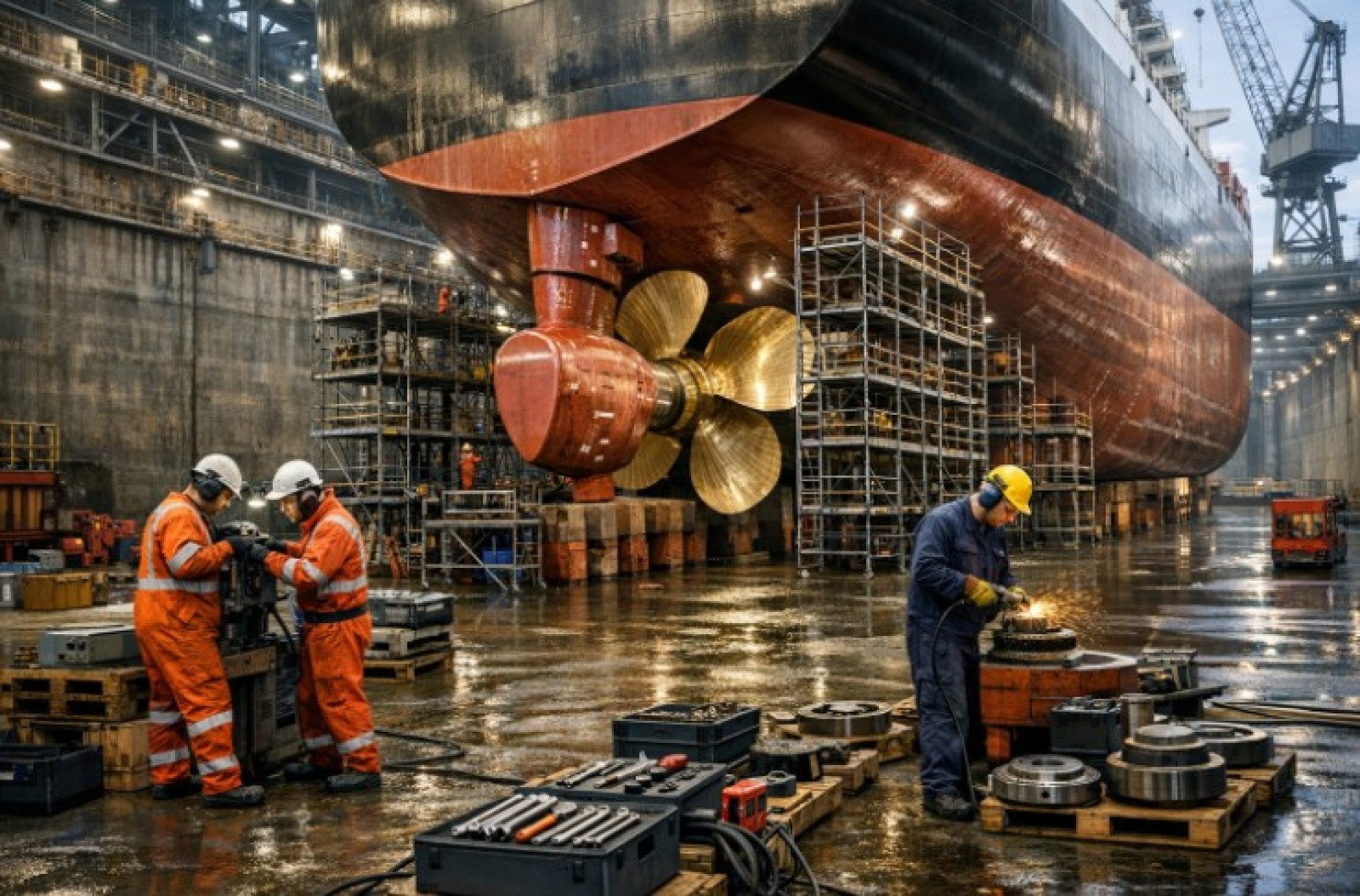
The hidden value often comes from time saved before and during repair work. Faster inspections, smarter machining, and cleaner planning can shorten the whole window without cutting corners. In a market that watches margins closely, that time can turn into real financial protection. It can also make forecasts less fragile when demand shifts quickly.
Where Drydock Time Creates Value
Drydock decisions do not stay inside the engine room. They affect voyage commitments, crew planning, spare parts, and how quickly a vessel returns to service. When teams reduce delay at each step, the gain shows up across operations. Even a modest reduction can improve how the next voyage is planned.
Every Extra Day Has A Price
Every extra day ashore creates costs that spread in several directions. The yard bill may rise, but lost sailing days often matter just as much. A delayed return can disrupt cargo plans, push back later maintenance, and strain customer relationships. That ripple is easy to miss when people focus only on the workshop charge.
Small delays also tend to stack up across the schedule. When measurements arrive late or the repair plan changes, teams lose hours in handovers and approvals. In marine engine work, better planning and precise tools can support ship performance while keeping the repair window tighter. That balance matters because speed only helps when the result stays reliable.
Fast Findings Shrink The Repair Window
Inspection speed often decides whether a drydock stays controlled or starts to drift. Early findings help managers confirm the repair plan before labor, parts, and lifting time get reshuffled, supporting research on inspection timing. As a result, fewer surprises appear when the vessel is already deep into the schedule. That clarity often reduces debate at the exact moment time becomes most expensive.
Quick, accurate inspection helps in several practical ways. That is why the first inspection window can shape the entire yard stay. It lets crews order the right parts sooner, which reduces waiting once repair work begins. It helps yard managers place jobs in a better order, so one delay does not block several teams. It gives owners clearer facts early, which supports faster approval of added work.
This matters most on large engines, where each repair choice affects labor and timing. Two stroke and four stroke units both demand precise checks before metal is cut. Therefore, good inspection speed is really decision speed, and decision speed protects the whole timetable. The earlier the facts appear, the easier it is to keep people and parts aligned.
Smarter Repairs Support Stronger Returns
Fast repair work has value only when it keeps quality high. A rushed fix that leads to another stop later can erase any short term gain. The stronger approach combines skilled machining, stable processes, and a clear work plan from start to finish. That is where process discipline becomes as important as raw speed.
That approach can also shape fuel use and reliability after the vessel leaves the yard. The IMO overview of cutting ship emissions shows why technical condition and operating efficiency matter across shipping. When engines run closer to their intended condition, owners often see steadier output and fewer avoidable losses. The benefit is operational first, but the financial effect follows quickly.
For owners, operators, and investors, the return shows up in more than one place. The benefits mix direct savings with better planning after departure. Fewer idle days can protect revenue by bringing the ship back into service sooner, while better repair quality can reduce repeat work. Clearer schedules can improve planning for crews, cargo, and later maintenance windows. Those gains become clearer when managers track missed trading days beside repair cost, which turns maintenance into a measurable operations choice.
Time Saved Becomes Value Kept
Shorter drydock time matters because it protects more than the maintenance budget. It supports vessel availability, steadier planning, and stronger use of capital. In addition, it reduces the chance that small delays grow into expensive schedule problems. For market focused readers, that can mean a steadier picture of asset productivity.
The business case becomes strongest when speed starts with better inspection and ends with reliable repair quality. That is true for shipowners, operators, and anyone watching fleet performance from a financial angle. It rewards teams that treat time, quality, and planning as one problem. In shipping, the smartest hour saved is the one that keeps the vessel earning sooner.
 Editorial staff