Usman Salis
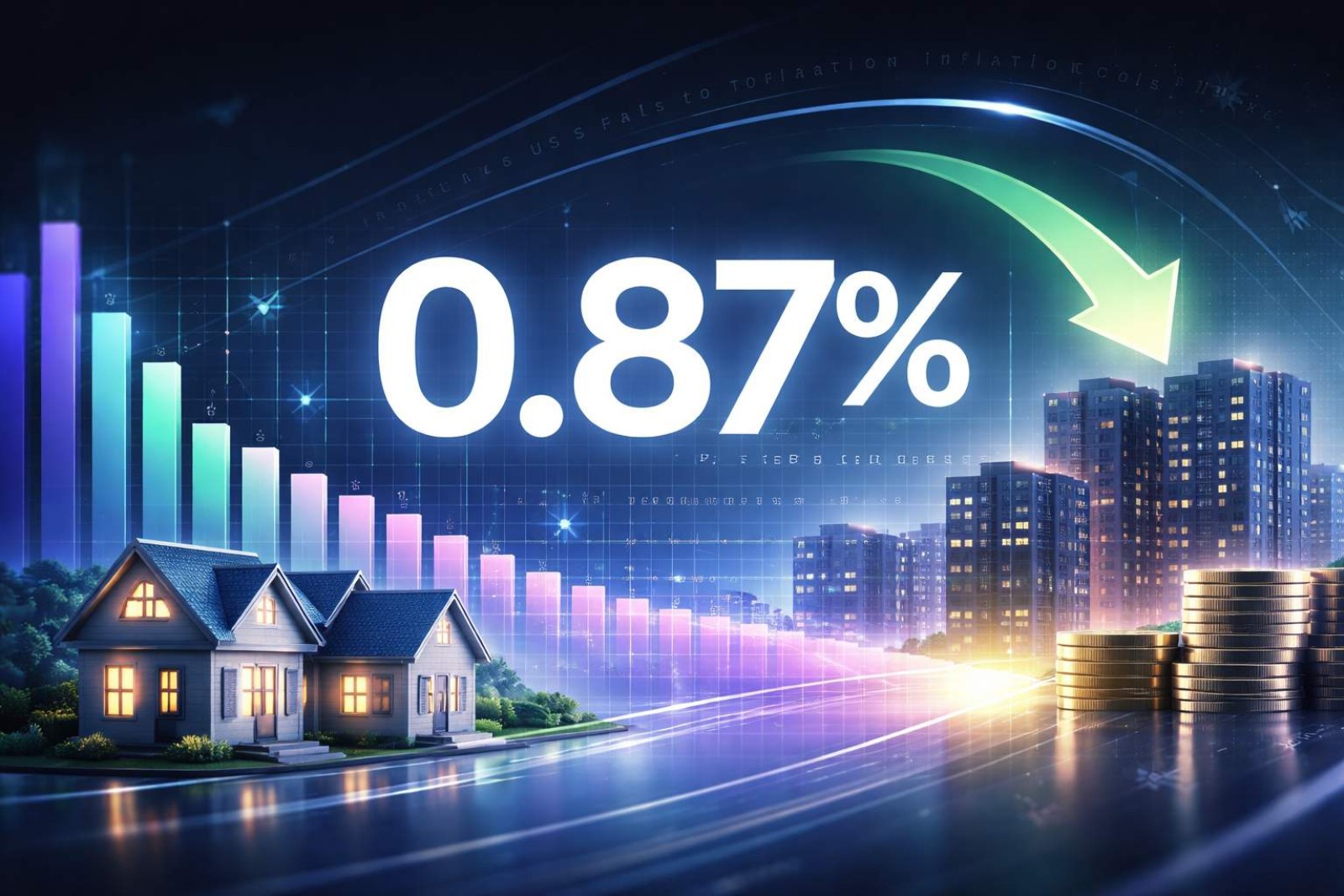
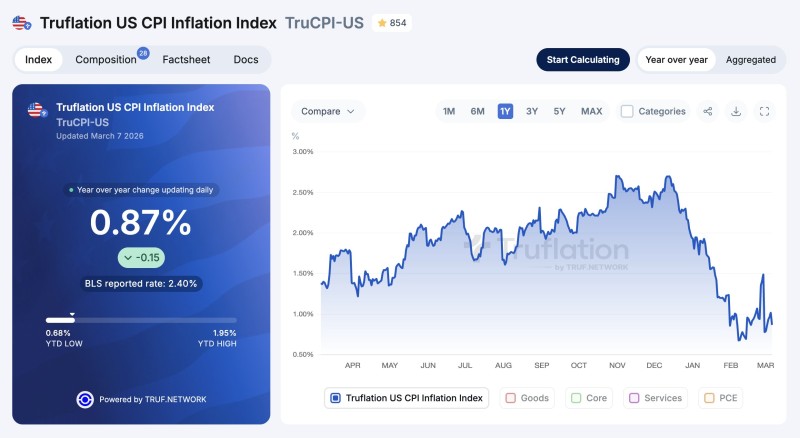
Truflation's US CPI Inflation Index has declined to 0.87% year over year, according to data released on March 7, 2026. The independent tracker aggregates real-time pricing across multiple consumer categories and currently reads significantly lower than the official U.S. Bureau of Labor Statistics figure of 2.40%. The latest drop was driven primarily by cooling housing inflation, particularly within the rental market.
Rental Prices Drop 10% as Supply Rises
The Truflation index compiles high-frequency price data across sectors including housing, food, transportation, and utilities.
Housing stands out as the largest contributor to the overall decline. Reported rent prices have fallen by roughly 10%, reflecting a broader cooling trend across the U.S. rental market.
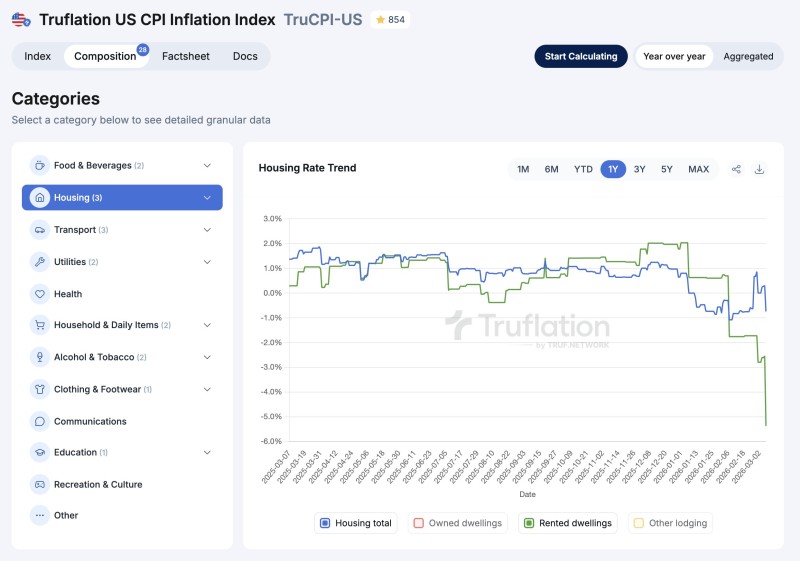
Rising apartment supply and increasing vacancy rates have gradually created more favorable conditions for renters, easing pressure on one of the most influential components of consumer inflation.
Real-time inflation trackers are increasingly capturing market changes earlier than official government reports, revealing faster disinflation across key sectors.
This directly feeds into a widening gap between real-time inflation metrics and official CPI data, a divergence that has drawn growing attention from economists tracking alternative indicators.
Food and Transport Offset Some of the Decline
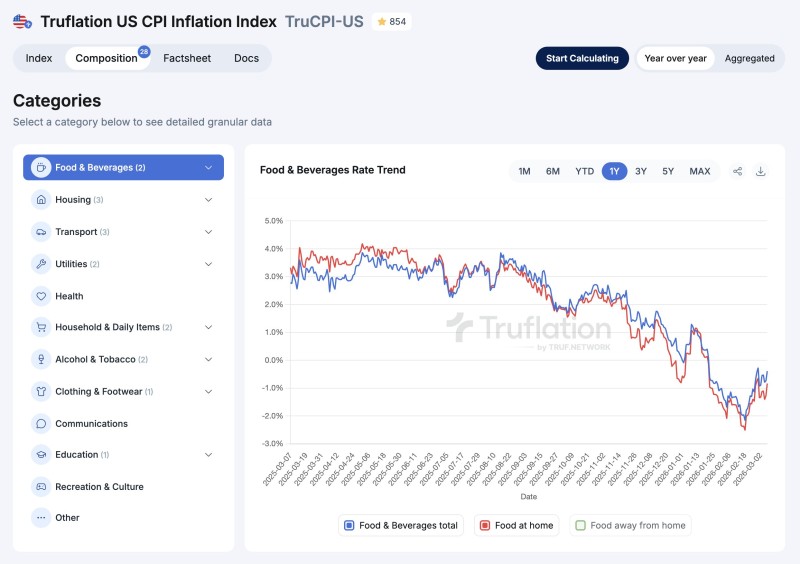
While housing costs pushed the index lower, other categories partially offset the decline. Transport inflation edged higher, driven mainly by gasoline prices stabilizing after earlier drops, while food and beverage inflation posted a modest uptick.
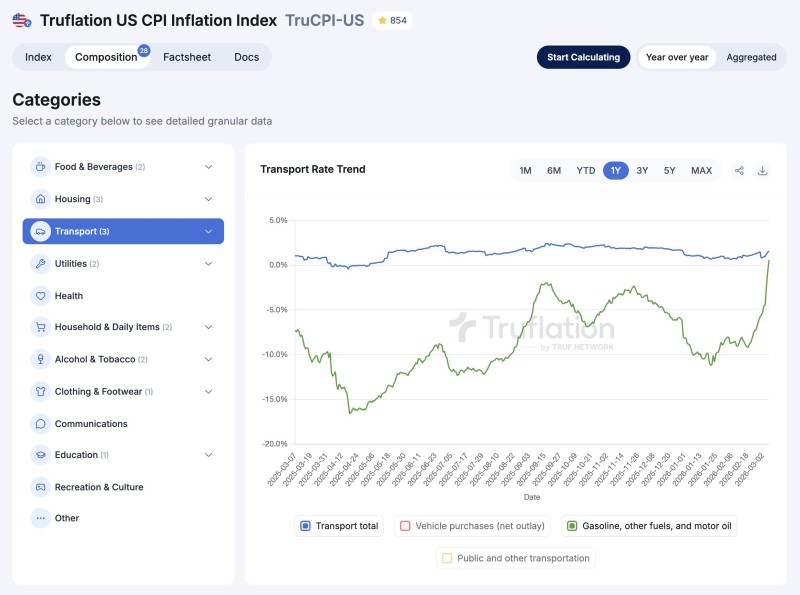
Despite these offsetting pressures, analysts note that real-time inflation trackers are increasingly showing faster cooling in price pressures than official government reports, demonstrating how alternative datasets can capture shifts in market conditions ahead of traditional measures.
Housing has historically been one of the most persistent drivers of inflation, so a sustained slowdown in rental price growth carries meaningful implications for the broader inflation trajectory. Economists widely acknowledge that cooling inflation trends can shift expectations around future Federal Reserve policy, especially when alternative trackers consistently point to faster disinflation than conventional economic indicators suggest.
 Usman Salis